
Ingredient library
Know what you’re taking.
Every ingredient in our range, in plain English: what it is, what it may support, the amounts supplements contain and who should take care. Each page shows the products that contain it.
Vitamins
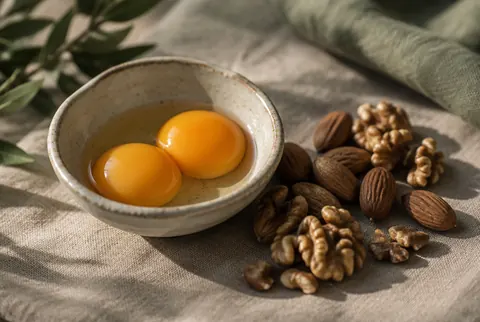 Biotin (vitamin B7)A water-soluble B vitamin found in eggs, nuts and seeds.
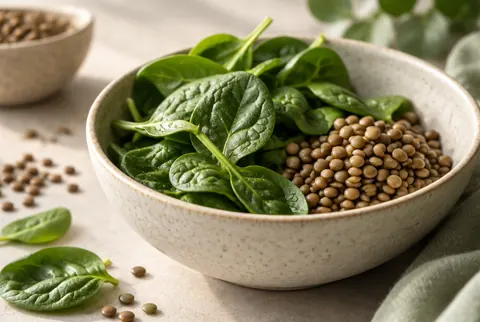 Folate (vitamin B9)A B vitamin found in leafy greens and pulses, supplied as folic acid or folate.
 Multivitamin blendA spread of vitamins in one serving, here in liposomal form.
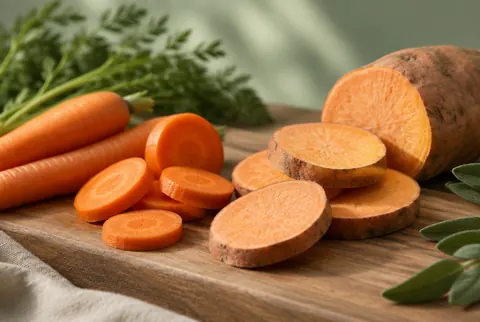 Vitamin AA fat-soluble vitamin found in liver, eggs and orange vegetables.
- Vitamin B1 (thiamine)A water-soluble B vitamin found in whole grains, pork and legumes.
- Vitamin B12A B vitamin found almost only in animal foods, so vegans and older adults are often low.
- Vitamin B2 (riboflavin)A water-soluble B vitamin found in dairy, eggs and almonds.
- Vitamin B3 (niacin)A water-soluble B vitamin, often supplied as niacinamide.
- Vitamin B5 (pantothenic acid)A water-soluble B vitamin found in most foods in small amounts.
- Vitamin B6A water-soluble B vitamin found in poultry, fish, potatoes and bananas.
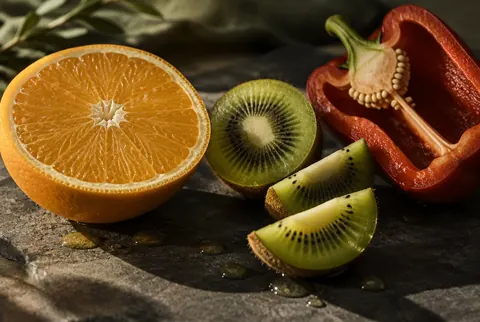 Vitamin CA water-soluble antioxidant vitamin found in citrus, berries and peppers.
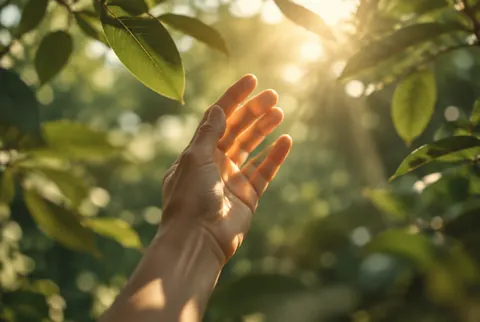 Vitamin D3The form of vitamin D the skin makes in sunlight. In the UK, most people are low in autumn and winter.
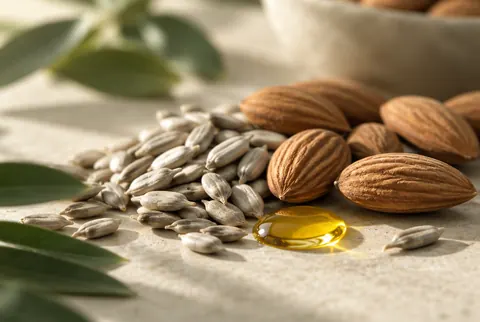 Vitamin EA fat-soluble antioxidant vitamin found in nuts, seeds and plant oils.
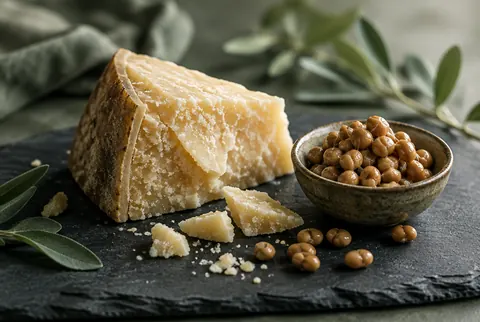 Vitamin K2A fat-soluble vitamin found in fermented foods such as natto and hard cheese.
Minerals
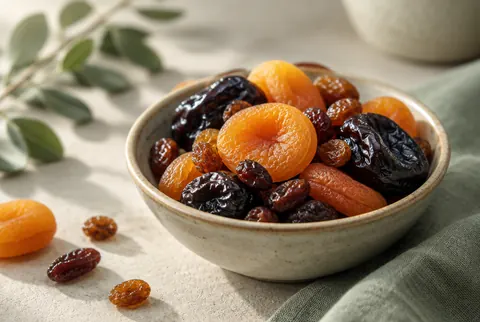 Boron (calcium fructoborate)A trace mineral found in fruit, vegetables and nuts.
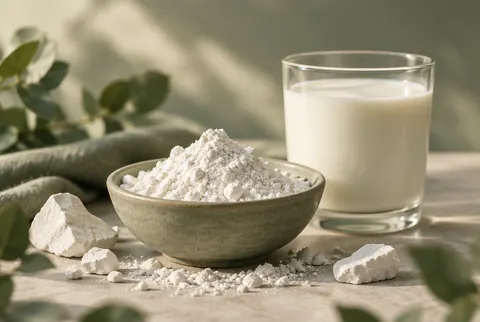 CalciumThe most abundant mineral in the body, found in dairy, leafy greens and fortified foods.
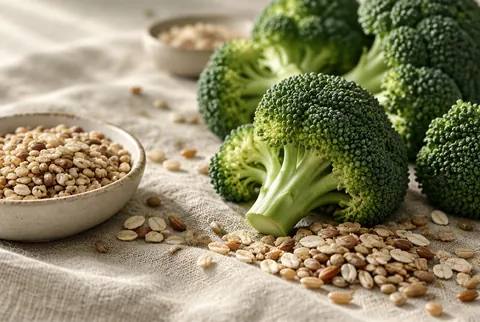 ChromiumAn essential trace mineral found in broccoli, whole grains and meat.
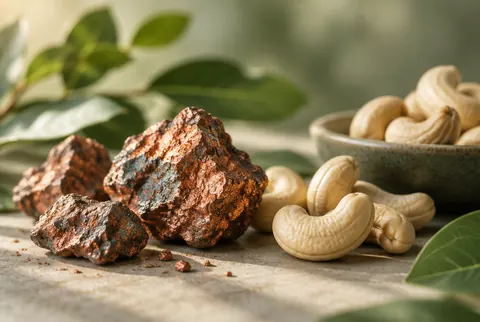 CopperAn essential trace mineral found in shellfish, nuts and seeds.
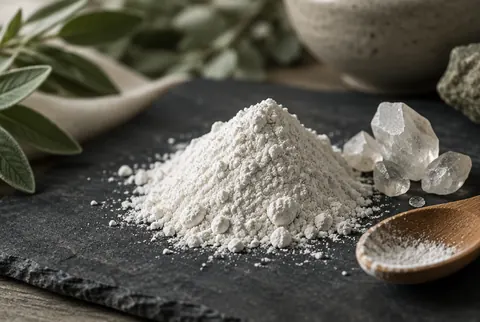 MagnesiumAn essential mineral found in leafy greens, nuts and seeds; bisglycinate, malate and aspartate are gentle, well-absorbed forms.
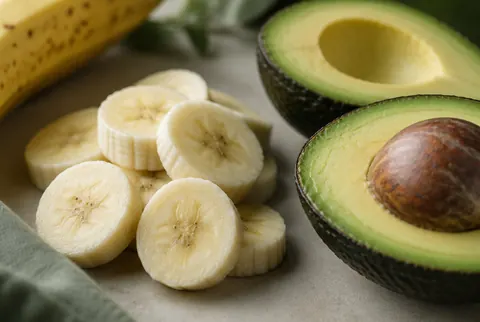 PotassiumAn essential mineral found in bananas, potatoes and leafy greens.
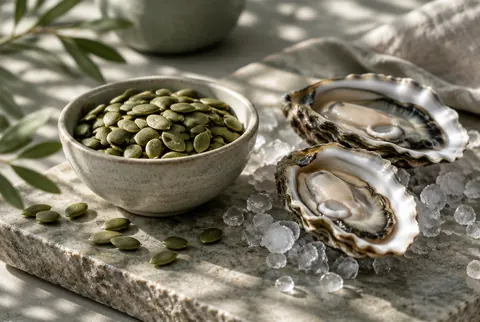 ZincAn essential trace mineral found in shellfish, meat, seeds and pulses.
Amino acids
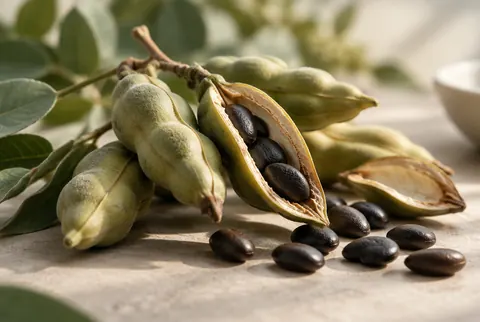 5-HTP (griffonia seed)A compound extracted from the seeds of the African griffonia plant.
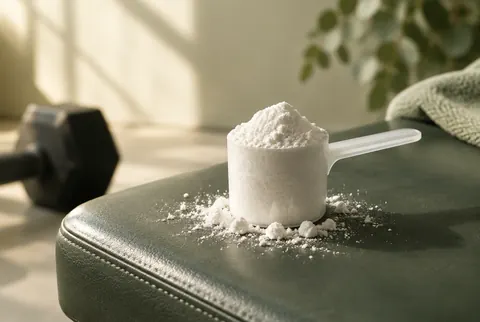 CreatineA compound made from amino acids and stored in muscle.
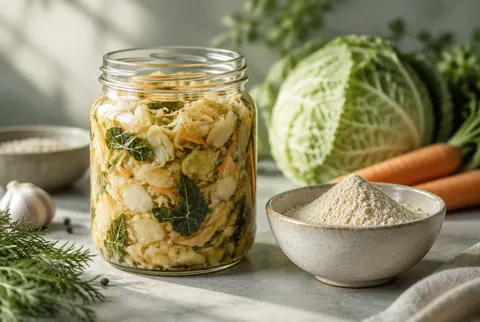 GABAGamma-aminobutyric acid, a messenger molecule found naturally in the brain and in fermented foods.
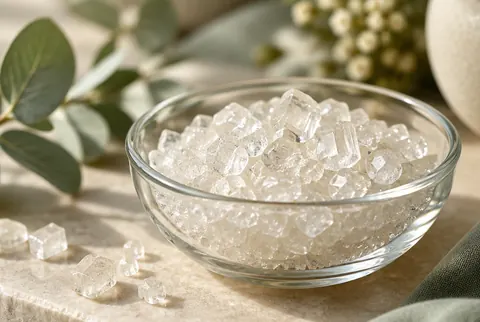 GlycineThe simplest amino acid and a building block of collagen.
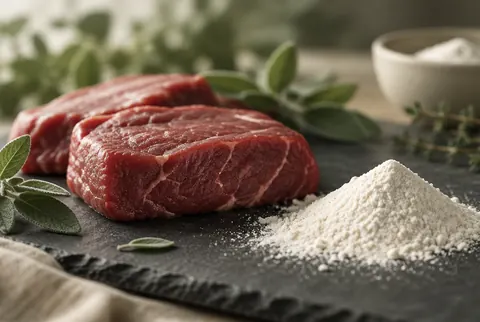 L-CarnitineA compound made from amino acids, found mainly in red meat.
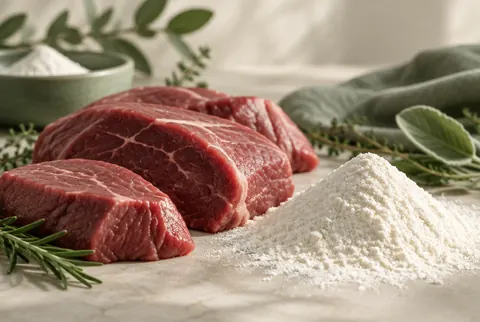 L-CarnosineA compound made of two amino acids, concentrated in muscle and brain.
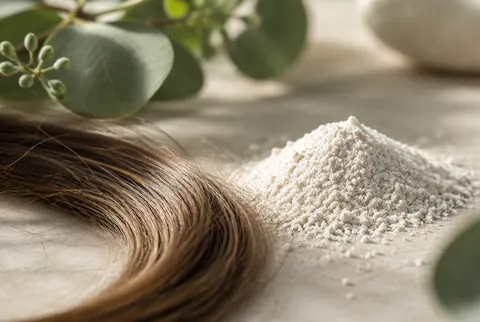 L-CystineA sulphur-containing amino acid that is a major component of keratin.
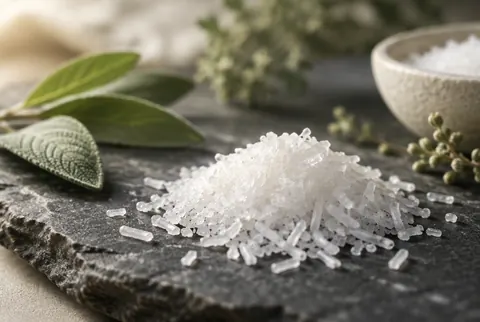 L-GlutamineThe most abundant amino acid in the body.
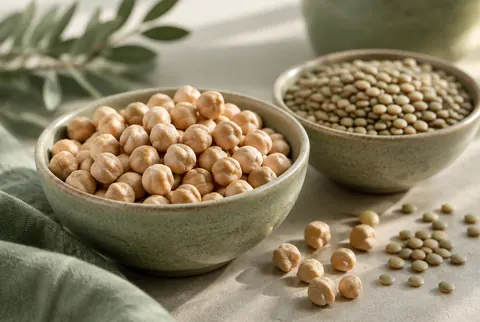 L-LysineAn essential amino acid found in meat, dairy and legumes.
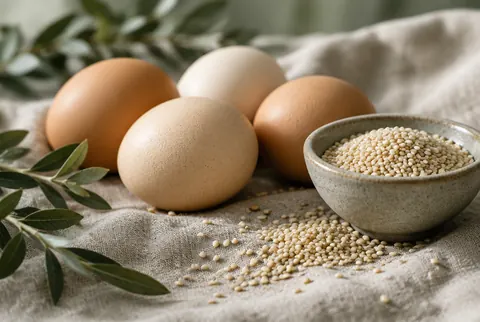 L-MethionineAn essential sulphur-containing amino acid found in eggs, fish and sesame.
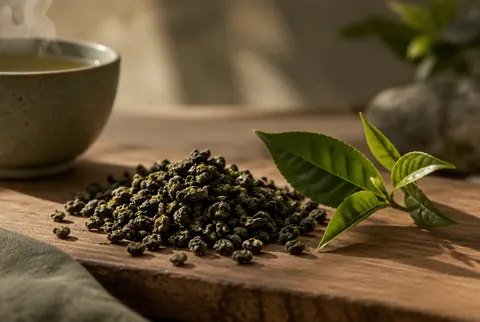 L-TheanineAn amino acid found in tea leaves.
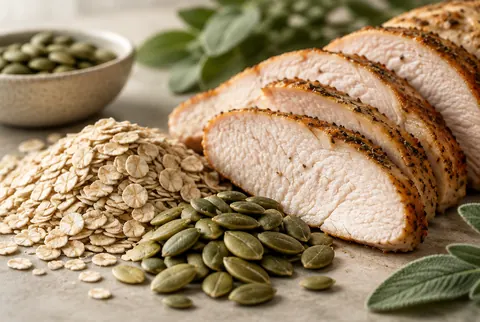 L-TryptophanAn essential amino acid found in turkey, oats and seeds.
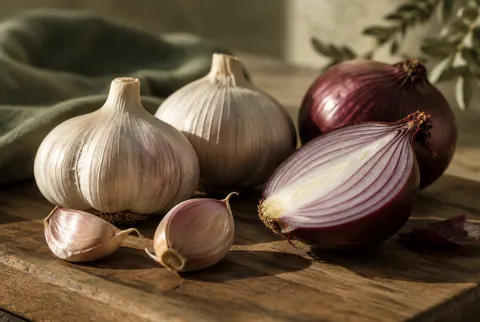 NAC (N-acetyl cysteine)A stable form of the amino acid cysteine.
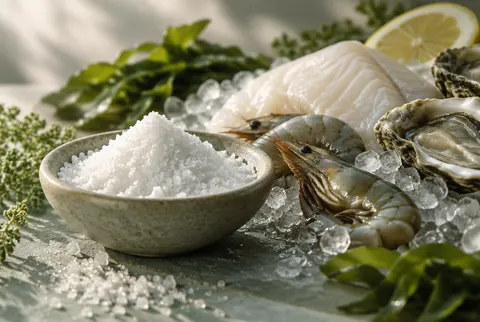 TaurineAn amino acid found in meat and fish, and in high amounts in heart and muscle.
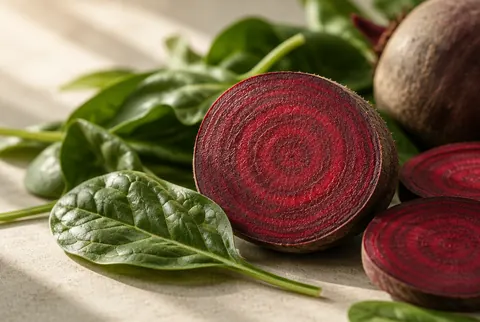 Trimethylglycine (betaine)A compound found in beetroot, spinach and whole grains.
Nutrients and compounds
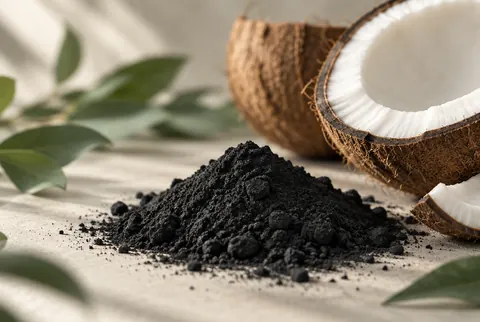 Activated charcoalA fine, porous carbon made from coconut shells.
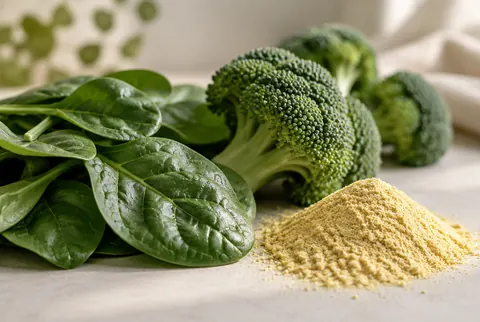 Alpha lipoic acidA fatty acid made in small amounts by the body and found in spinach and broccoli.
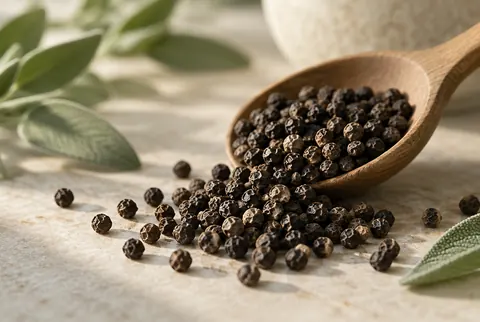 Black pepper extract (piperine)An extract of black peppercorns.
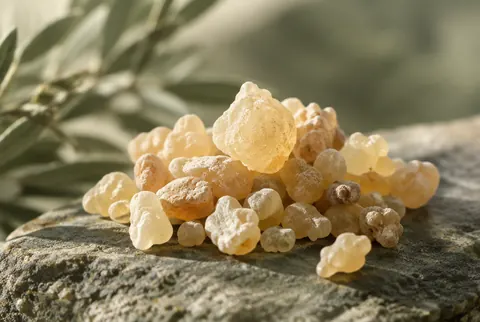 BoswelliaA resin from the Indian frankincense tree.
 Calcium alpha-ketoglutarateA compound that occurs naturally in the energy cycle of every cell.
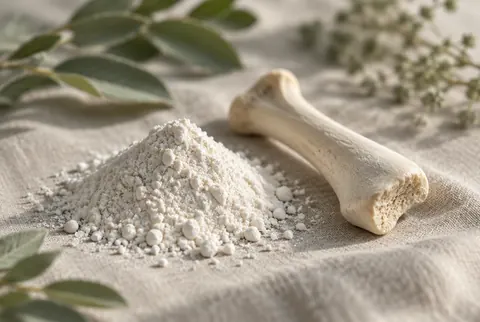 ChondroitinA major structural component of cartilage.
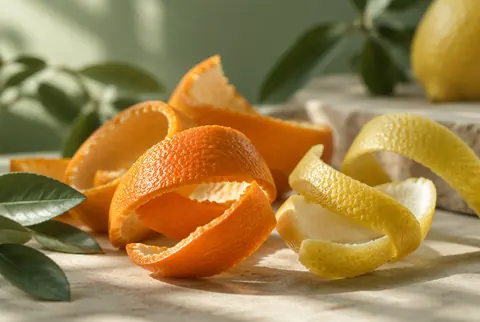 Citrus bioflavonoidsPlant compounds from the peel and pith of oranges and lemons.
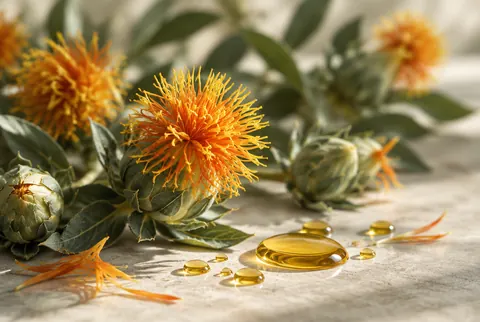 CLAConjugated linoleic acid, a fatty acid found in dairy and beef.
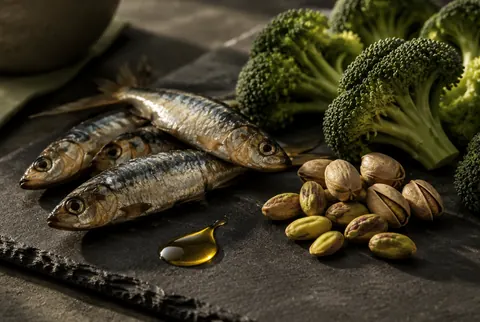 Coenzyme Q10A compound the body makes and uses in the mitochondria, where cells produce energy. Levels fall with age.
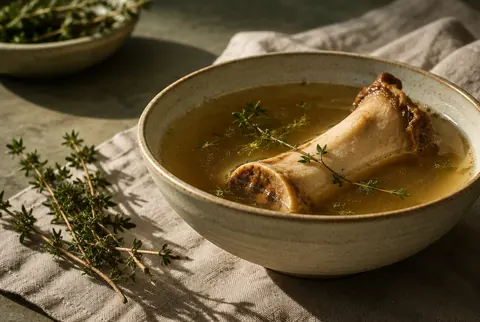 Collagen peptidesBroken-down collagen protein, the main structural protein in skin, joints and bone.
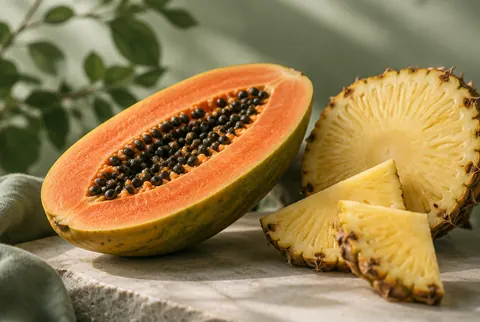 Digestive enzymesEnzymes that break proteins, carbohydrates and fats into smaller pieces.
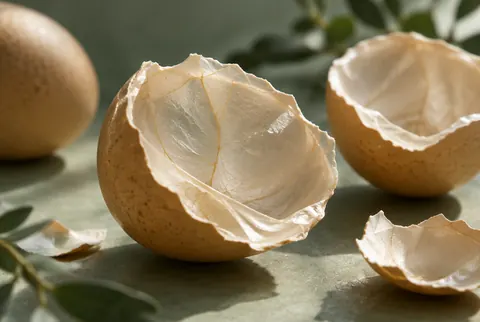 Eggshell membraneThe thin layer between an egg’s shell and its white, rich in collagen and other joint proteins.
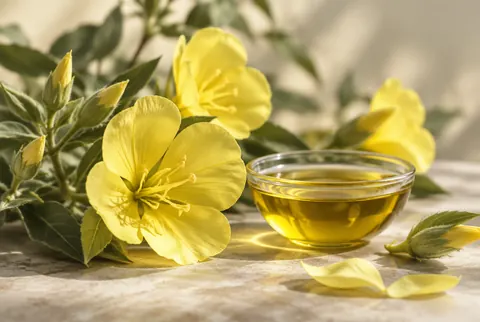 Evening primrose oilOil from the seeds of the evening primrose flower, rich in GLA.
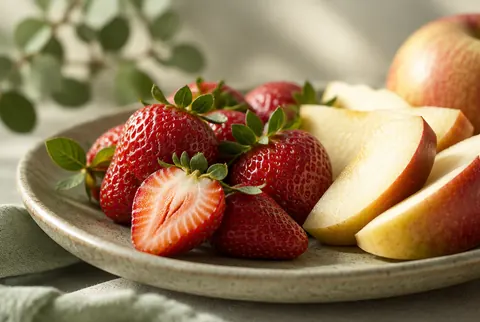 FisetinA plant flavonoid found in strawberries and apples.
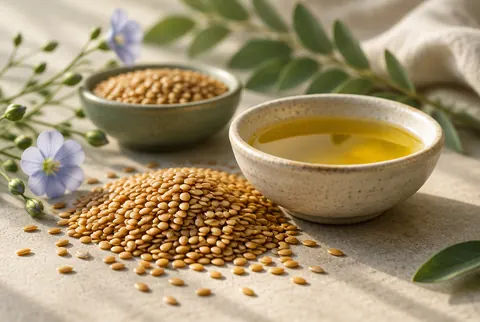 Flaxseed oilOil pressed from linseed, rich in the plant omega-3 ALA.
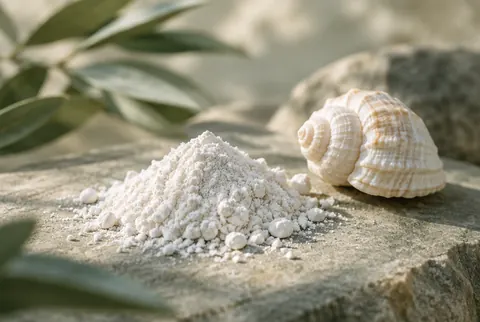 GlucosamineA natural compound found in cartilage, usually sourced from shellfish.
 GlutathioneThe body’s own master antioxidant, made from three amino acids. Liposomal delivery protects it through digestion.
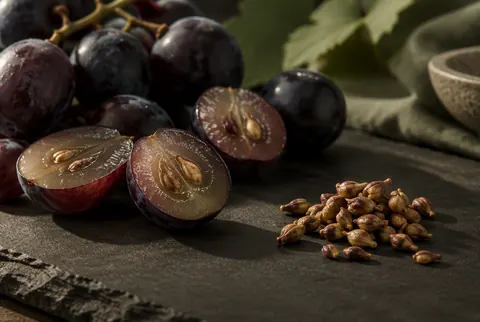 Grape seed extractAn extract of grape seeds, rich in proanthocyanidins.
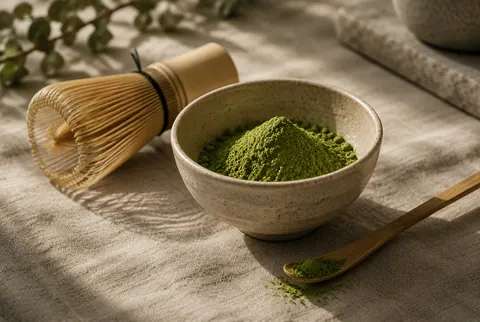 Green tea extract (EGCG)An extract of green tea leaves, rich in the catechin EGCG.
 Hyaluronic acidA molecule found naturally in skin and the fluid that cushions joints.
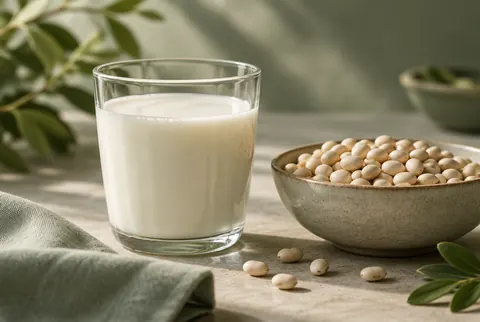 Lactase and alpha-galactosidaseEnzymes that break down milk sugar and the complex sugars in beans.
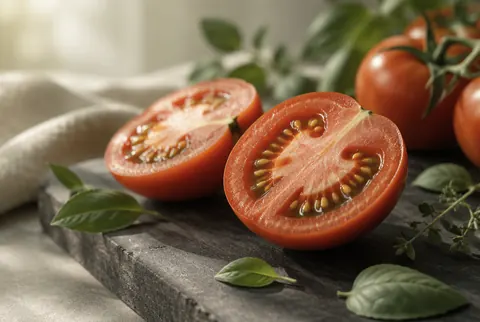 LycopeneThe red pigment in tomatoes and watermelon.
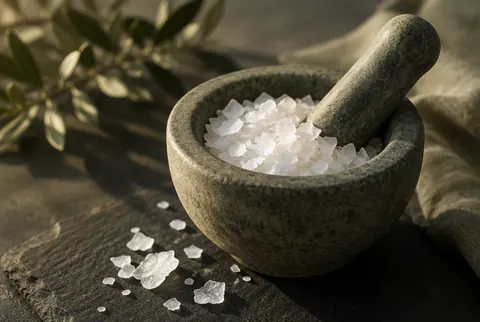 MSMMethylsulfonylmethane, an organic sulphur compound found in small amounts in foods.
 NAD+Nicotinamide adenine dinucleotide, a coenzyme in every cell. Levels decline with age.
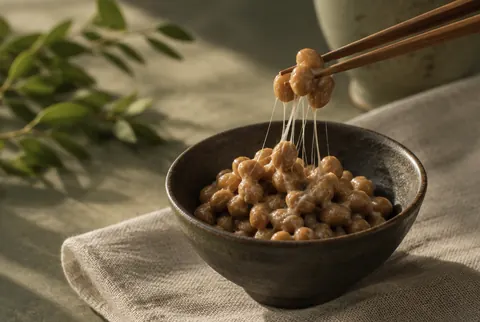 NattokinaseAn enzyme from natto, a traditional Japanese fermented soybean food.
 NMNNicotinamide mononucleotide, a direct building block the body uses to make NAD+.
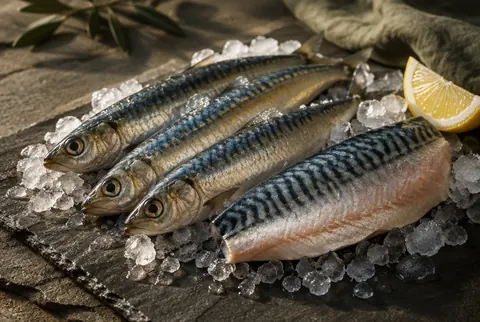 Omega-3 (EPA and DHA)Long-chain fats found in oily fish.
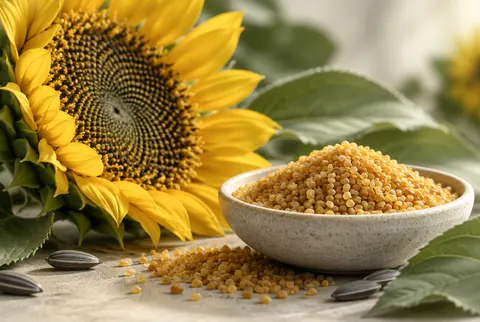 Phosphatidylcholine (liposome)A phospholipid from sunflower lecithin, the same material cell walls are made from.
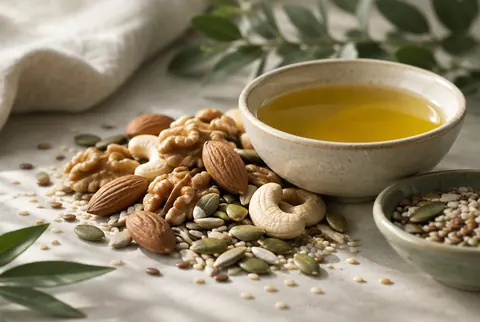 Plant sterolsNatural compounds found in plant oils, nuts and seeds.
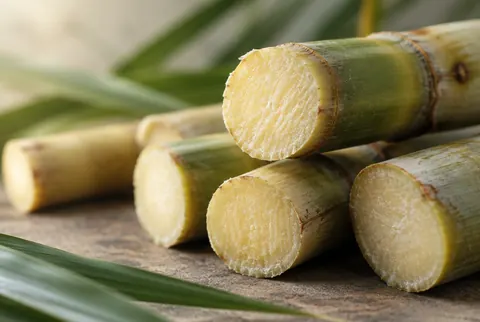 PolicosanolA blend of waxy alcohols from sugar cane.
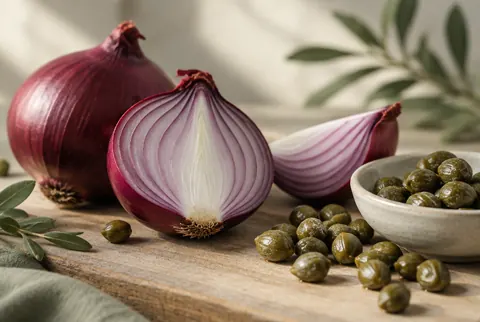 QuercetinA plant flavonoid found in onions, apples and capers.
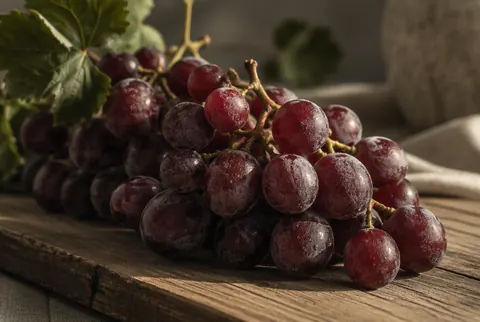 ResveratrolA plant compound from Japanese knotweed and grape skins.
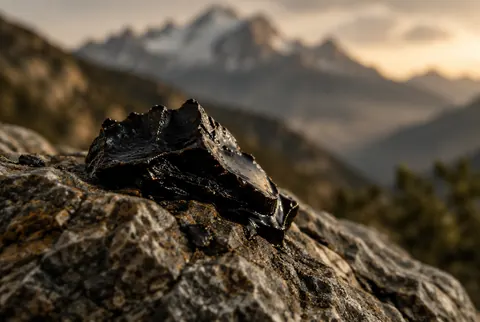 ShilajitA mineral-rich resin that seeps from high mountain rock, rich in fulvic acid.
 TUDCATauroursodeoxycholic acid, a bile acid the body makes in small amounts.
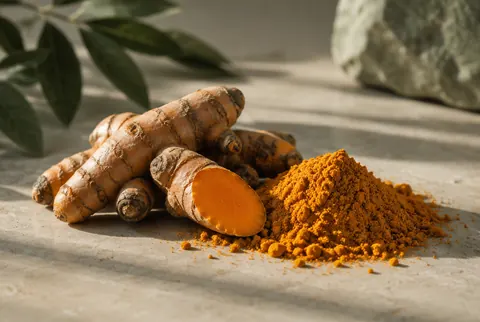 Turmeric (curcumin)A golden root from the ginger family; curcumin is its main active compound.
Herbs and botanicals
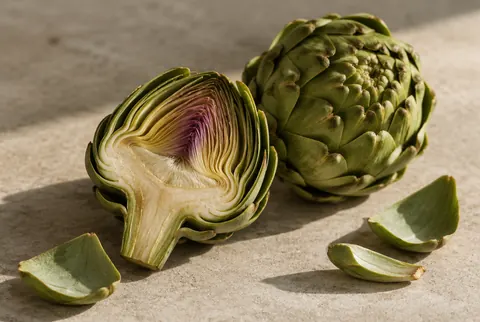 ArtichokeExtract of globe artichoke leaves.
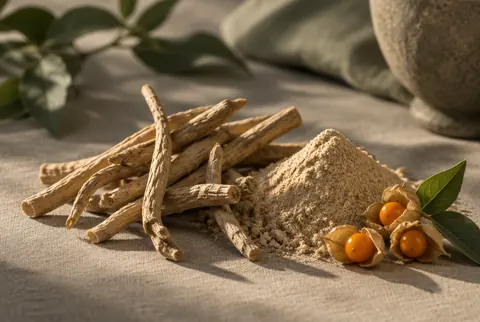 AshwagandhaAn Ayurvedic root, also called Indian ginseng. KSM-66 is a standardised root extract.
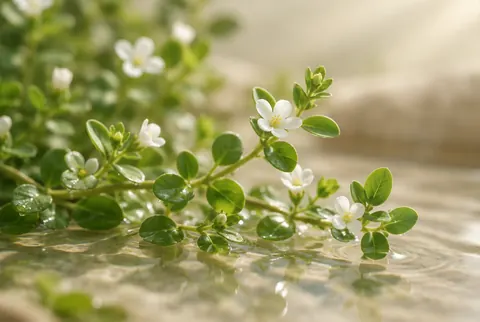 Bacopa monnieriA creeping wetland herb used in Ayurveda for centuries.
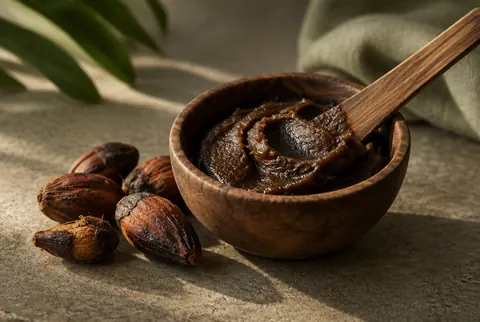 Batana oilOil from the nut of the American palm, used by the Miskito people of Honduras.
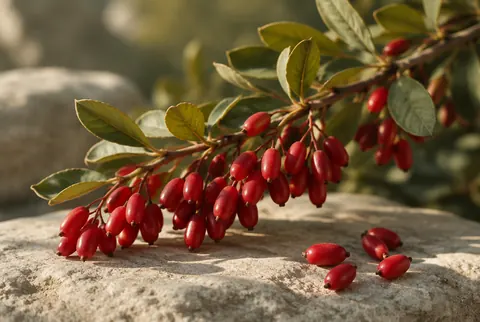 BerberineA yellow plant compound from barberry and goldenseal roots.
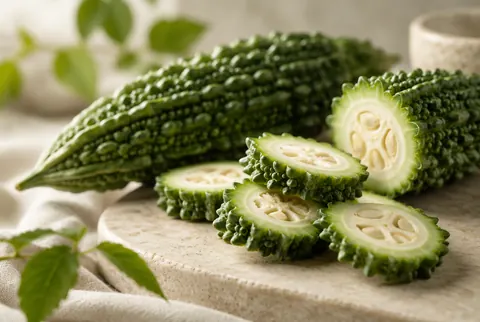 Bitter melonA tropical gourd used in Asian cooking.
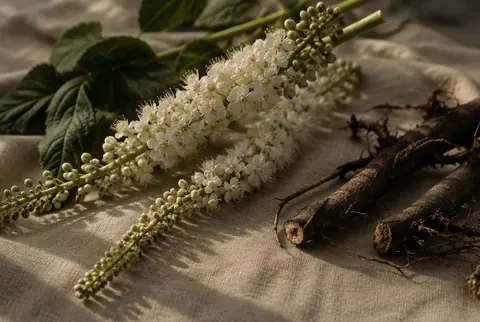 Black cohoshRoot of a North American woodland plant.
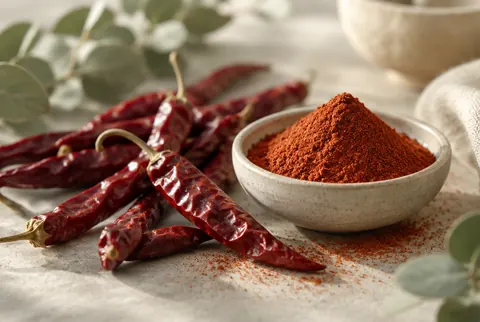 CayenneA hot chilli pepper rich in capsaicin.
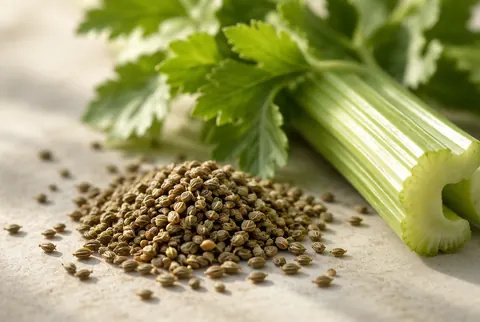 Celery seedSeeds of the celery plant.
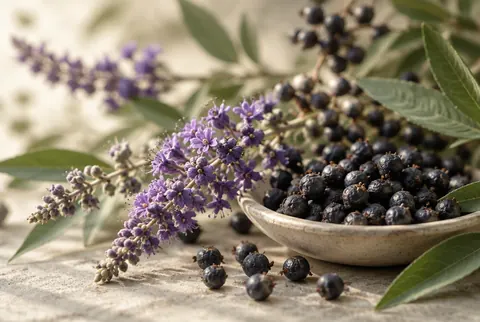 Chaste tree (agnus castus)Berries of the chaste tree.
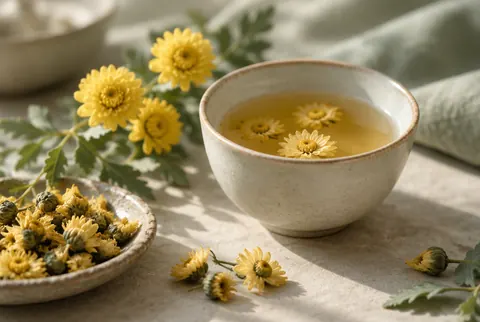 ChrysanthemumFlowers of the chrysanthemum.
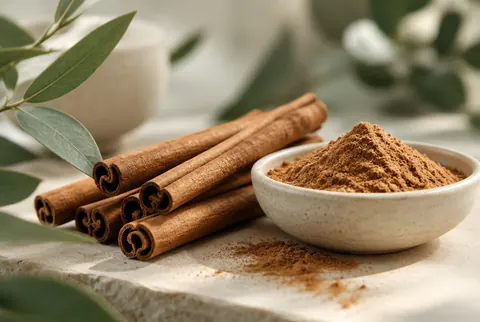 CinnamonThe inner bark of the cinnamon tree.
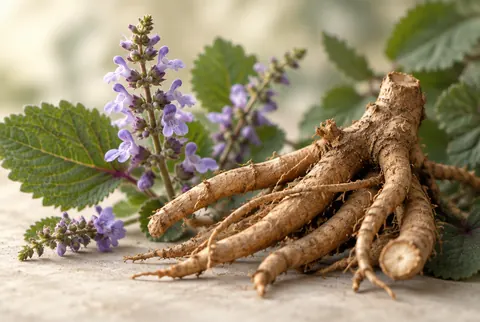 Coleus forskohliiA plant of the mint family from India; its root contains forskolin.
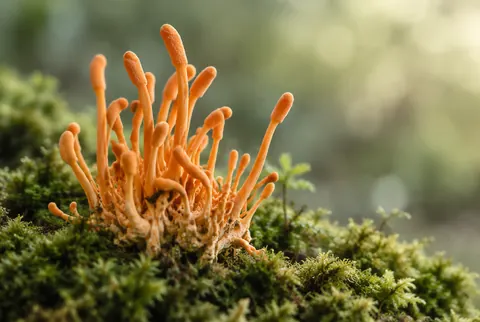 CordycepsA medicinal mushroom, now usually grown on grain for supplements.
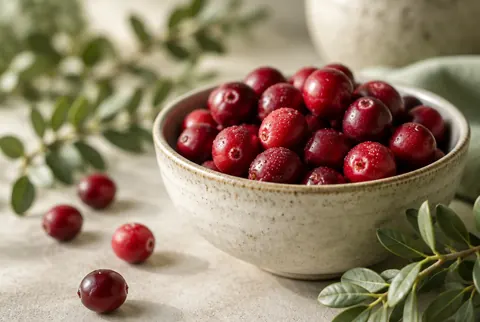 CranberryExtract of the North American cranberry, rich in proanthocyanidins.
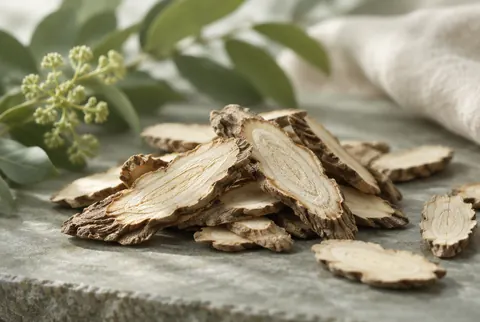 Dong quaiRoot of a Chinese angelica plant, known as female ginseng.
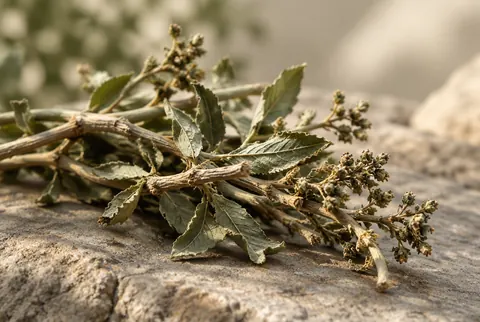 Fadogia agrestisA shrub from West Africa whose stem extract is used in some male vitality formulas.
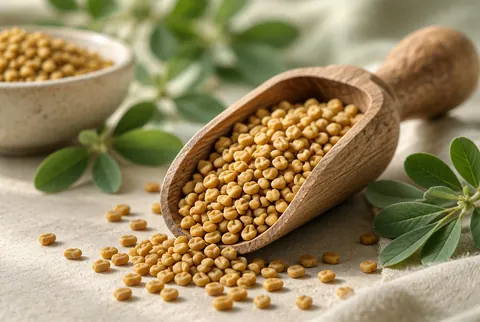 FenugreekA seed spice; 4-hydroxyisoleucine is one of its active compounds.
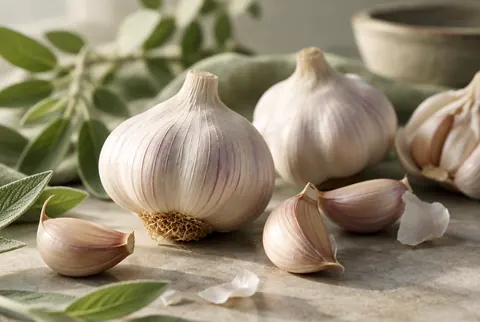 GarlicA bulb used in cooking and folk tradition for thousands of years.
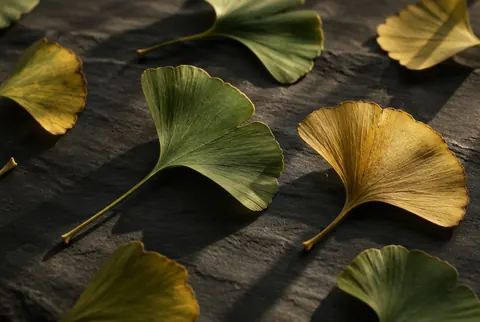 Ginkgo bilobaExtract from the leaves of the ancient ginkgo tree.
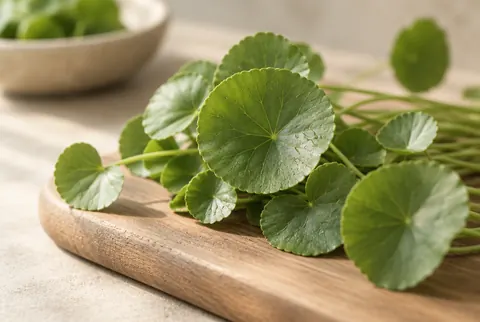 Gotu kolaA leafy herb from the parsley family, used in Ayurvedic and Chinese tradition.
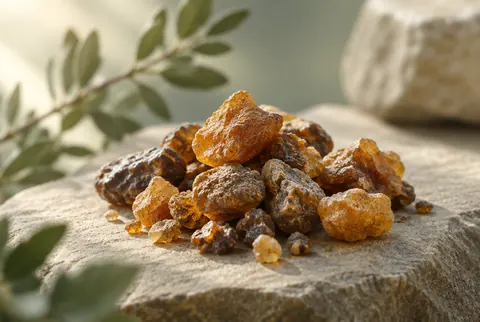 GuggulA resin from the mukul myrrh tree, used in Ayurveda.
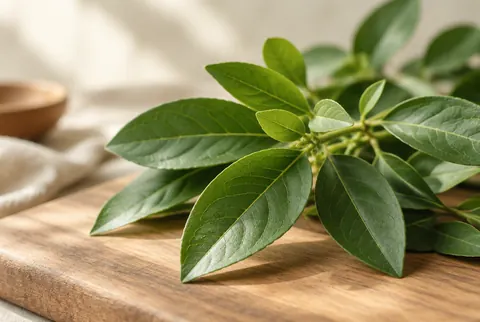 Gymnema sylvestreA climbing plant from India, known as the sugar destroyer.
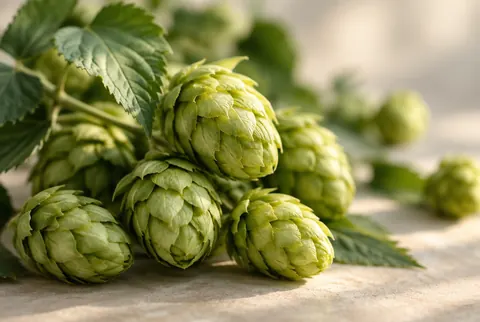 HopsThe cone-shaped flowers of the hop plant.
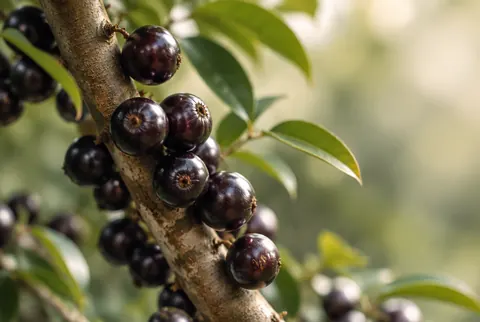 JaboticabaA dark purple Brazilian fruit that grows directly on the tree trunk.
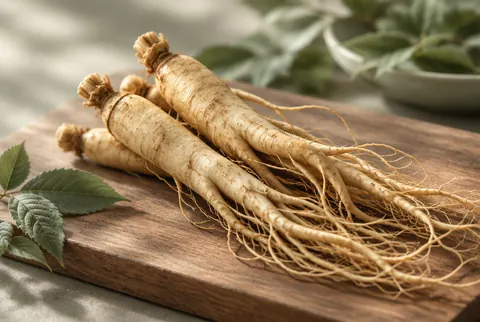 Korean ginsengThe root of Panax ginseng, used in Korean and Chinese tradition for centuries.
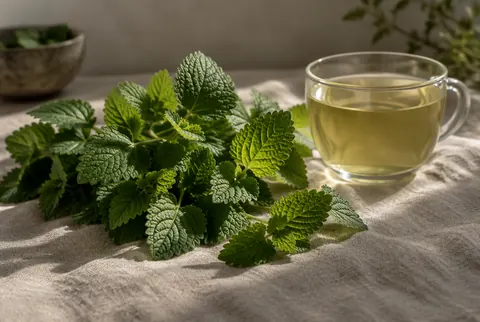 Lemon balmA lemon-scented herb from the mint family.
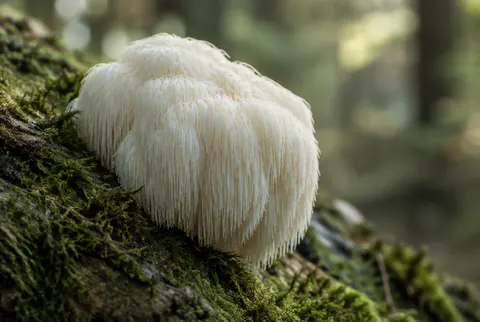 Lion’s maneA white, shaggy mushroom used in traditional Asian cooking and medicine.
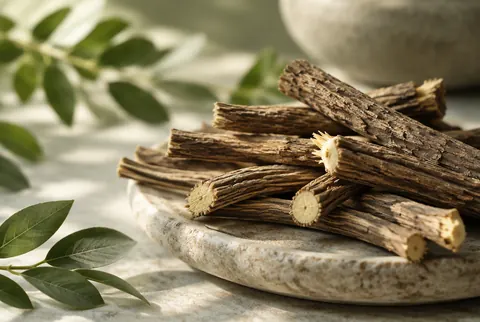 Liquorice rootRoot of the liquorice plant.
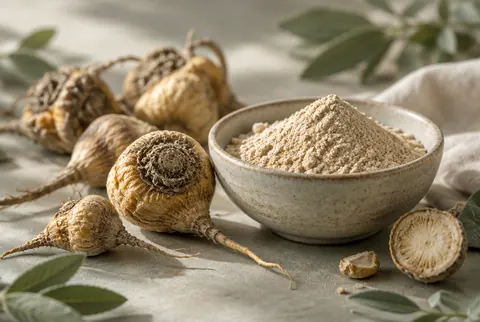 Maca rootA root vegetable grown high in the Peruvian Andes.
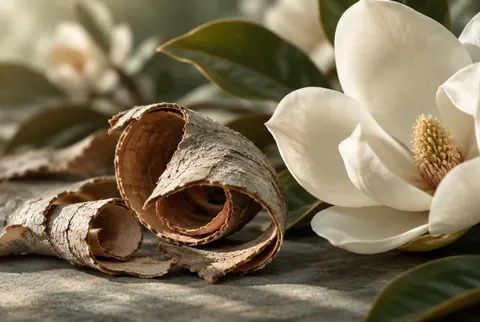 Magnolia barkBark of the magnolia tree, used in traditional Chinese practice.
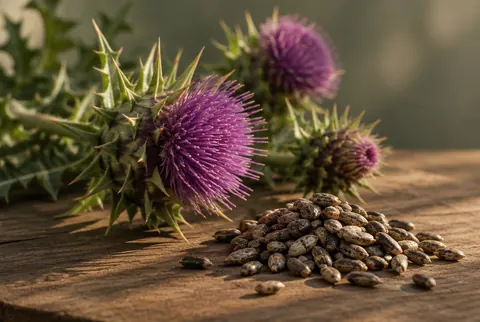 Milk thistleA purple-flowered thistle; its seeds contain silymarin.
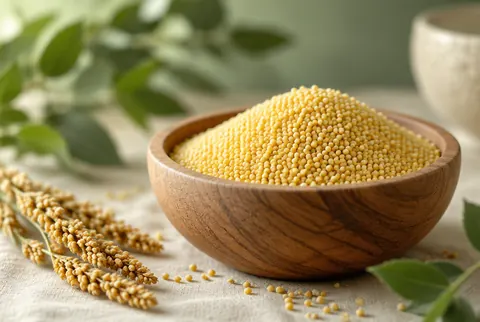 Millet extractAn extract of millet grain, rich in silica and amino acids.
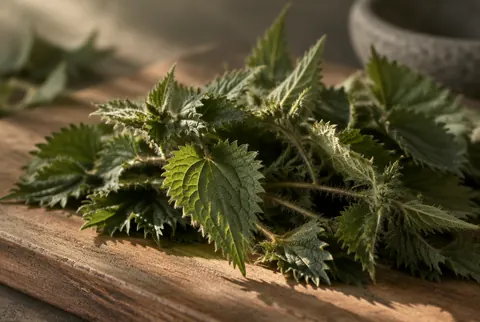 NettleRoot and leaf of the stinging nettle.
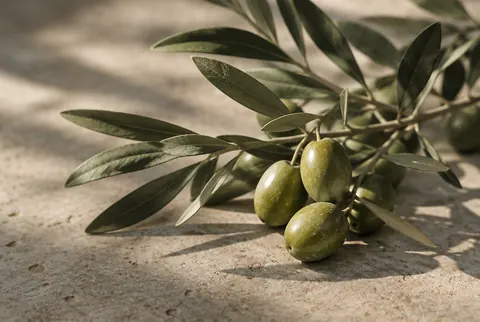 Olive fruit extractAn extract of olives, rich in hydroxytyrosol.
- Olive leaf extractAn extract of olive tree leaves, rich in oleuropein.
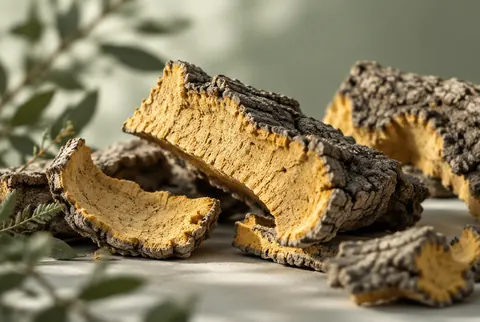 Phellodendron barkBark of the Amur cork tree, used in traditional Chinese practice.
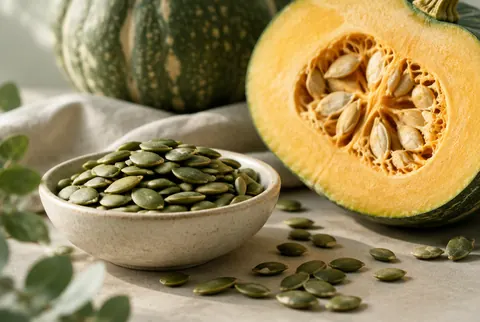 Pumpkin seedSeeds and oil of the pumpkin, rich in zinc and plant sterols.
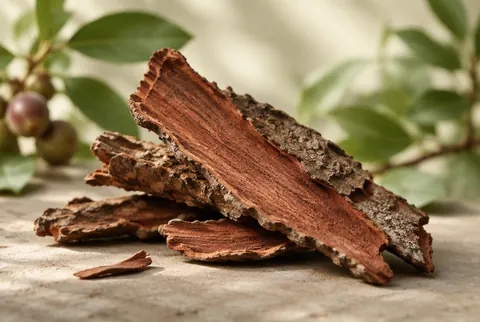 Pygeum (African plum)Bark of the African cherry tree.
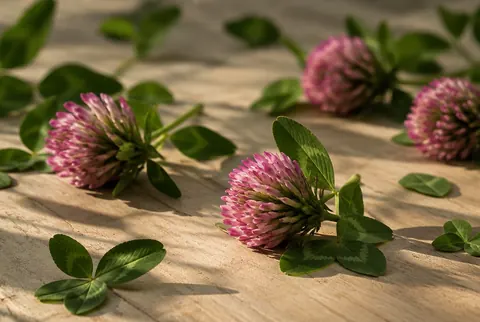 Red cloverA meadow flower rich in isoflavones.
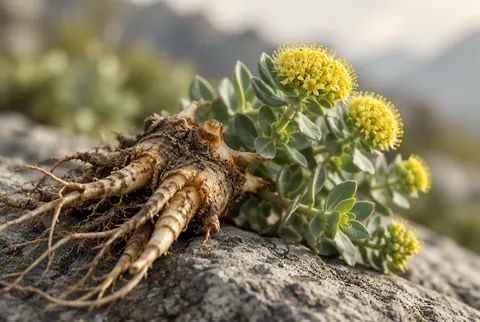 Rhodiola roseaA hardy root that grows in cold, high-altitude regions.
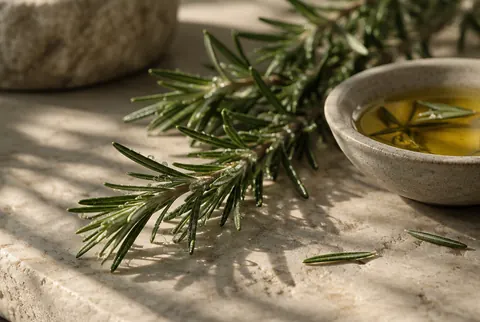 Rosemary oilEssential oil of the rosemary herb.
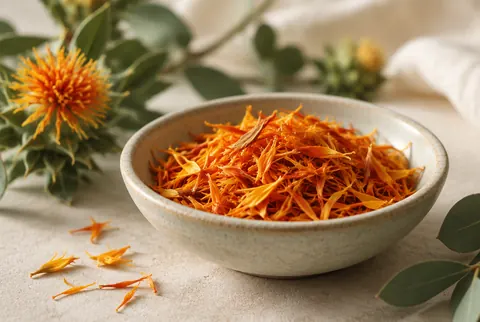 SafflowerPetals of the safflower plant.
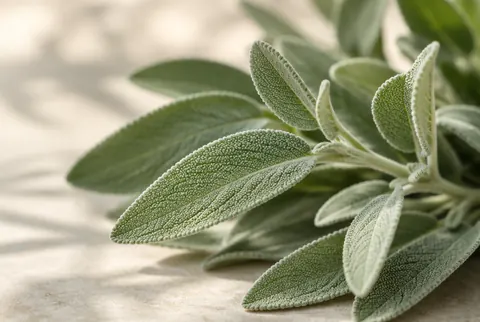 SageLeaves of the common garden sage.
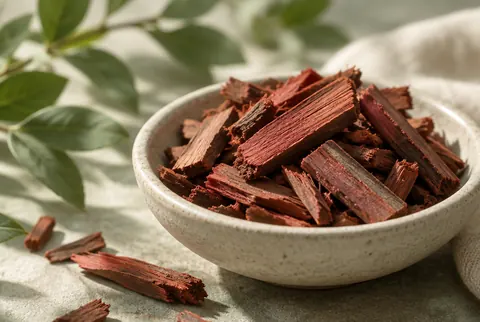 SappanwoodHeartwood of the sappan tree, a natural red dye.
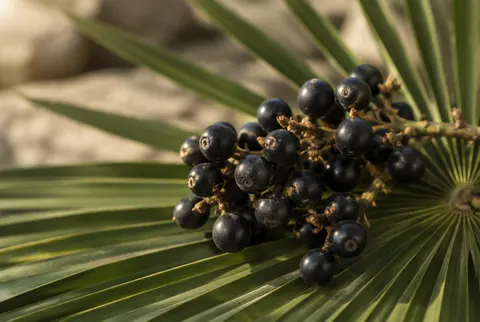 Saw palmettoBerries of a small palm native to the south-eastern United States.
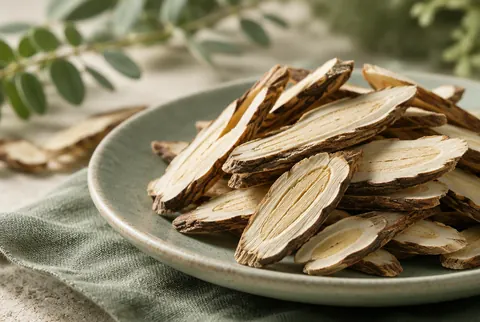 Sophora flavescensRoot of a Chinese herbal plant.
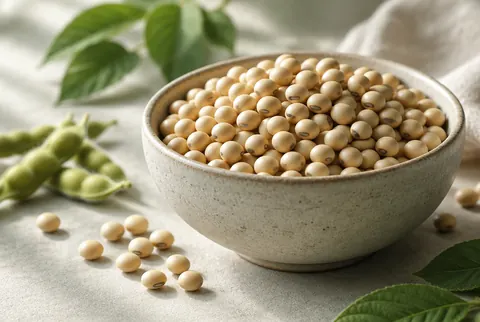 Soy isoflavonesPlant compounds from soy germ with a structure similar to oestrogen.
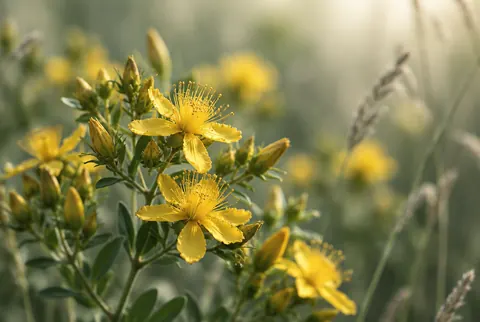 St John’s wortA yellow-flowered herb.
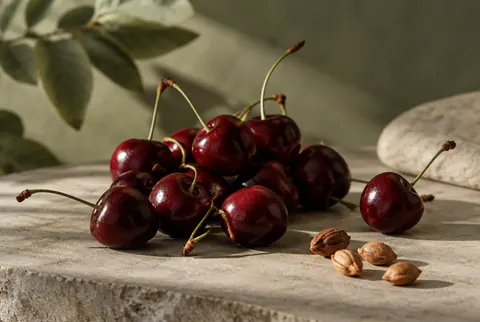 Tart cherryMontmorency sour cherries.
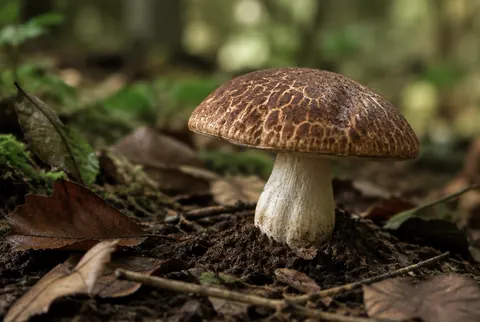 Tiger milk mushroomA rare mushroom from the Malaysian rainforest.
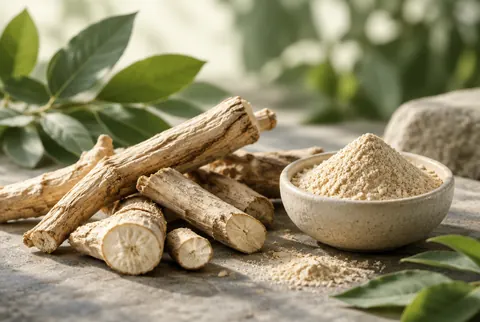 Tongkat aliRoot of the Eurycoma longifolia shrub from South-East Asia.
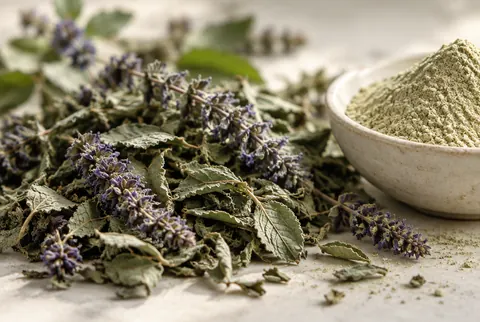 TurkesteroneA plant compound (an ecdysteroid) extracted from Ajuga turkestanica, a herb from Central Asia.
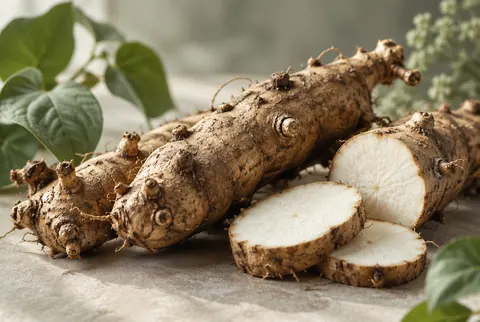 Wild yamRoot of a climbing plant, source of diosgenin.
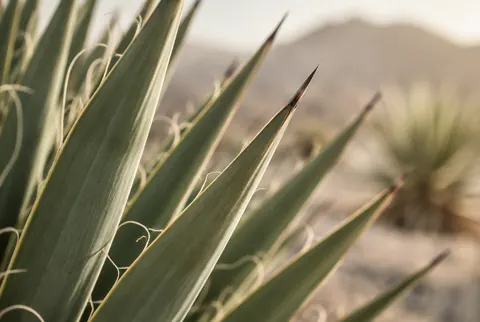 YuccaLeaves and root of the desert yucca plant.
Oils for hair and skin
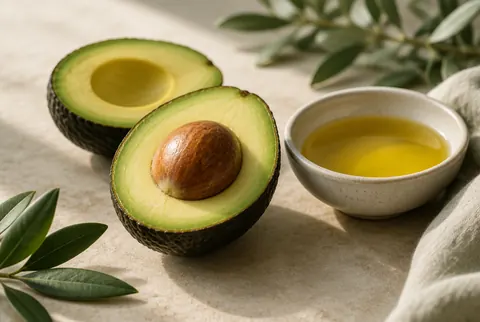 Avocado oilOil pressed from avocado flesh.
- Grape seed oilA light oil pressed from grape seeds.
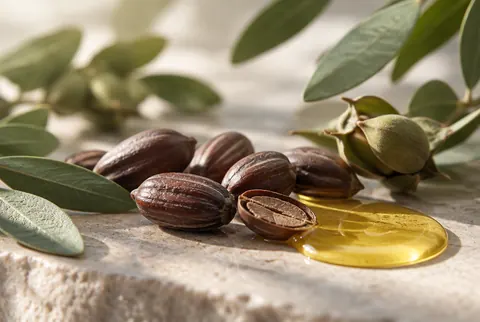 Jojoba oilA liquid wax pressed from jojoba seeds, close to the skin’s own oil.
- Panthenol (pro-vitamin B5)A form of vitamin B5 used on skin and hair.
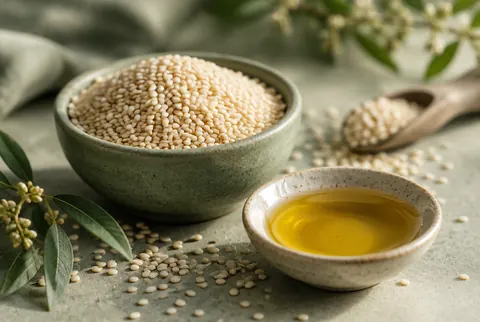 Sesame oilOil pressed from sesame seeds.
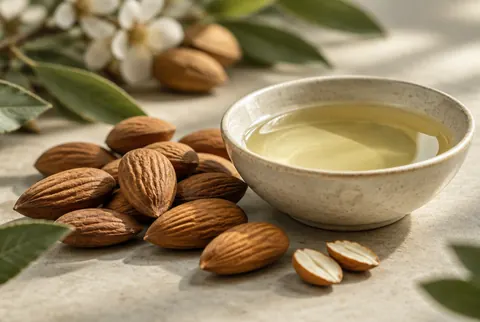 Sweet almond oilOil pressed from sweet almonds.
Find your protocol
Not sure where to start?
Answer six quick questions and we will point you to the protocol or product that fits your goal. No email needed.