Free EU delivery over €200
Nutra Formulations
Vitamins

Vitamin B1 (thiamine)

A water-soluble B vitamin found in whole grains, pork and legumes.

Why it’s used: Contributes to normal energy-yielding metabolism and to the normal function of the heart.

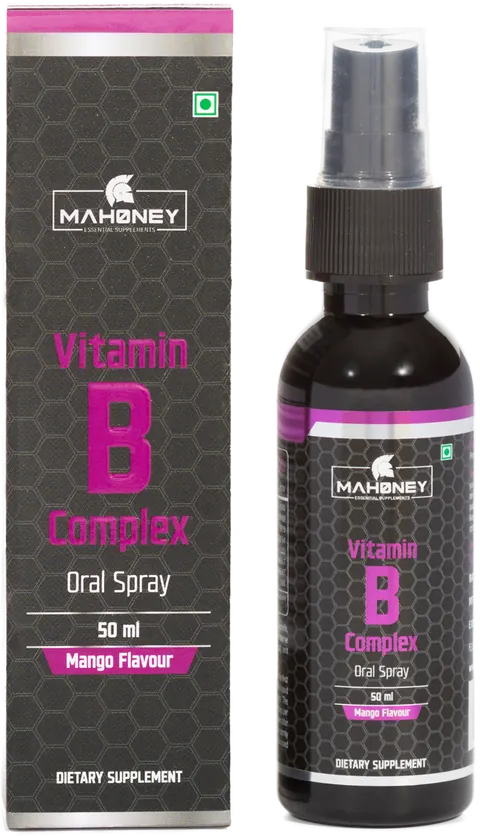
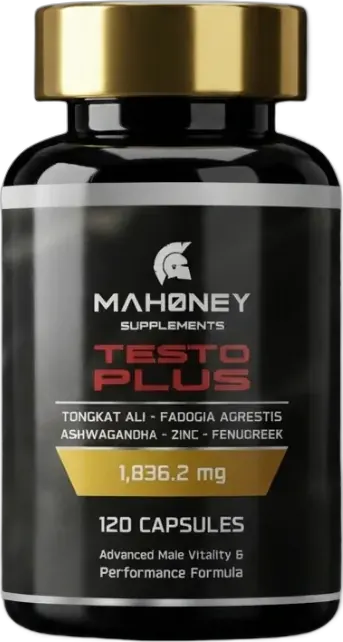
Shop 2 products with vitamin b1
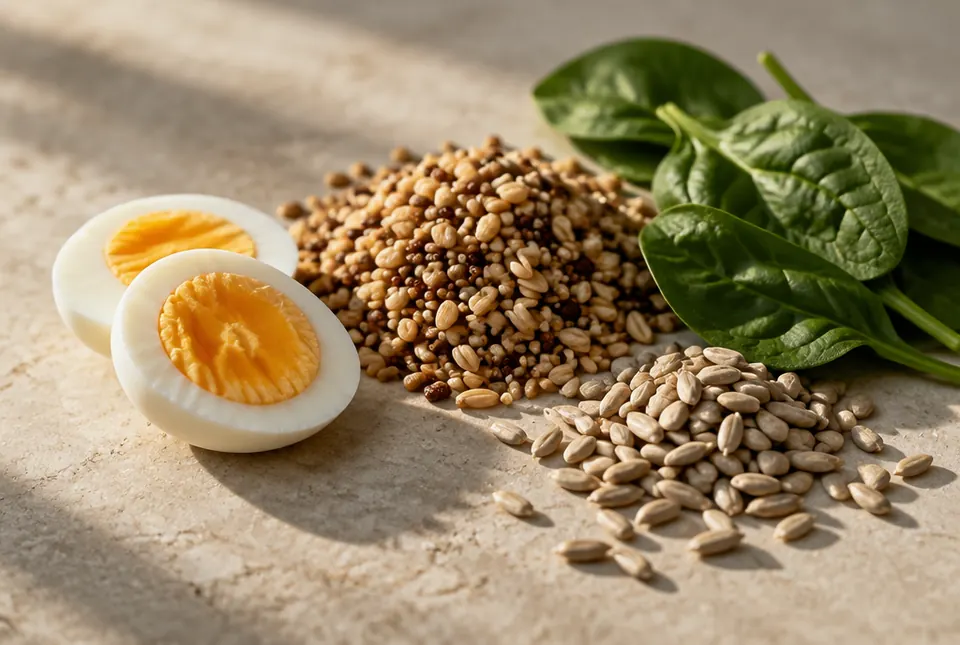
egg, whole grains, spinach and seeds
About

What is vitamin b1?

Vitamin B1, also called thiamin or thiamine, is a water-soluble B vitamin found in many types of food. Good sources include peas, some fresh fruit such as bananas and oranges, nuts, wholegrain breads, pork and some fortified breakfast cereals. Thiamin cannot be stored in the body, so you need it in your diet every day, but most people get all they need from a varied, balanced diet.

Thiamin helps the body break down and release energy from food and helps keep the nervous system healthy. It contributes to normal energy-yielding metabolism and to the normal function of the heart, which is why it sits at the centre of most B-complex and energy formulas.

On supplement labels thiamin usually appears as thiamin mononitrate or thiamin hydrochloride, both stable forms that suit tablets and capsules. Some products use benfotiamine, a synthetic form of thiamin. You will find it in multivitamins, B-complex products and single-nutrient supplements, with the amount listed in milligrams (mg).

What the research says

Evidence, not anecdote.

2 findings behind this ingredient. Hover a card for the detail and the source.

Meta-analysis2013

Thiamin supplements improved heart pumping function (ejection fraction) in people with systolic heart failure.

Meta-analysis of two double-blind, placebo-controlled trials with 38 heart failure patients. Thiamin improved left ventricular ejection fraction by 3.28% versus placebo.

RCT2021

High-dose oral thiamin reduced chronic fatigue in people with inactive inflammatory bowel disease.

Double-blind, placebo-controlled crossover trial in 40 people with quiescent IBD and severe fatigue, taking 600–1,800 mg thiamin a day for four weeks. Fatigue scores fell by 4.5 points on thiamin versus a small rise on placebo.

In our range

Supplements with vitamin b1.

Questions

Asked before you buy.

Can't see yours? Ask our team, answered within a working day.

What does vitamin B1 do?

Thiamin helps the body release energy from the food you eat. It contributes to normal energy-yielding metabolism and to the normal function of the heart, and it helps keep the nervous system healthy. Most people get enough from a varied diet.

Is thiamine the same as thiamin?

Yes. Thiamin and thiamine are two spellings of vitamin B1. On labels you may also see thiamin mononitrate or thiamin hydrochloride, which are stable forms used in supplements, or benfotiamine, a synthetic form.

Can you take too much vitamin B1?

Thiamin has not been shown to cause harm, according to the NIH. The NHS says 100mg or less a day from supplements is unlikely to cause any harm, so most multivitamins and B-complex products sit well within that amount.

Shop by goal
Often found with
Sources
  1. B vitamins and folic acid: vitamins and minerals · NHS, 2020
  2. Thiamin: fact sheet for consumers · NIH Office of Dietary Supplements, 2021

Information only, not medical advice. If you take medication, are pregnant or breastfeeding, speak to your GP or pharmacist first.

Find your protocol

Not sure where to start?

Six quick questions match you to the products in our range that fit your goal, with the reasons why.

Start the assessment