Free EU delivery over €200
Nutra Formulations
Amino acids

Glycine

The simplest amino acid and a building block of collagen.

Why it’s used: Makes up about a third of the amino acids in collagen.

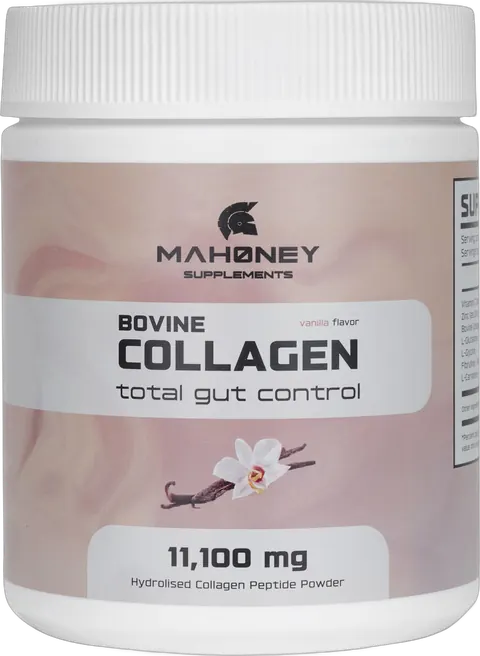
Shop 1 product with glycine
clear sugar-like crystals in a glass dish
About

What is glycine?

Glycine is the simplest amino acid. The body makes it from other compounds, mainly through the liver and kidneys, so it is classed as non-essential, although researchers have suggested that everyday production may not always be sufficient. It is found in protein-rich foods and is especially plentiful in collagen-rich foods such as gelatine and bone broth.

Glycine is a building block of collagen, the most abundant protein in animals. Collagen's chains repeat a three-part pattern with glycine in every third position, so glycine makes up about a third of the amino acids in collagen. The body also uses glycine to make other important compounds, including creatine, glutathione and haem, part of the haemoglobin that carries oxygen.

Researchers have studied glycine in small trials on sleep. In a 2012 study, healthy volunteers who took 3g of glycine before bed during a period of restricted sleep reported less daytime fatigue, though the trial was small and more research is needed. On labels it appears simply as glycine, usually as a powder or in capsules.


What the research says

Evidence, not anecdote.

3 findings behind this ingredient. Hover a card for the detail and the source.

Systematic review2024

A review of glycine studies in adults found the most positive effects on the nervous system, including better sleep in healthy people.

Systematic review of 52 studies in healthy (18) and unwell (34) adults, with glycine given for up to 14 days and 4 months respectively. Longer-term glycine improved sleep in healthy people, though those studies were small with a high risk of bias.

Clinical study2012

Taking 3 g of glycine before bed reduced daytime fatigue and improved an alertness test in healthy volunteers with restricted sleep.

Placebo-controlled study in healthy volunteers whose sleep was cut by 25% for three nights, taking 3 g glycine or placebo before bed. Glycine reduced fatigue, tended to reduce sleepiness and improved psychomotor vigilance test performance.

Review2012

Glycine taken before bedtime improved subjective sleep quality in people with insomniac tendencies, according to this review of the authors' trials.

Review of the authors' human trials and rat studies. Bedtime glycine improved subjective sleep quality in people prone to insomnia, and in rats it lowered core body temperature, a possible mechanism for its effect on sleep.

In our range

Supplements with glycine.

Questions

Asked before you buy.

Can't see yours? Ask our team, answered within a working day.

Does glycine help you sleep?

Researchers have studied glycine in small trials. In one 2012 study, healthy volunteers taking 3g before bed during restricted sleep reported less daytime fatigue. The evidence is early, and there are no authorised health claims for glycine and sleep.

How much glycine is in collagen?

Glycine sits in every third position along collagen's protein chains, so it makes up about a third of collagen's amino acids. That is why collagen-rich foods such as gelatine and bone broth are among the richest dietary sources of glycine.

Is glycine safe to take every night?

In small studies glycine has been well tolerated at around 3g a day, with occasional stomach upset. Long-term use at higher amounts has not been well studied. If you take prescribed medicines or are pregnant, check with your GP or pharmacist first.

Shop by goal
Often found with
Sources
  1. Multifarious Beneficial Effect of Nonessential Amino Acid, Glycine: A Review · Oxidative Medicine and Cellular Longevity (PubMed Central), 2017
  2. The effects of glycine on subjective daytime performance in partially sleep-restricted healthy volunteers · Frontiers in Neurology (PubMed), 2012
  3. Collagen structure and stability · Annual Review of Biochemistry (PubMed Central), 2009

Information only, not medical advice. If you take medication, are pregnant or breastfeeding, speak to your GP or pharmacist first.

Find your protocol

Not sure where to start?

Six quick questions match you to the products in our range that fit your goal, with the reasons why.

Start the assessment