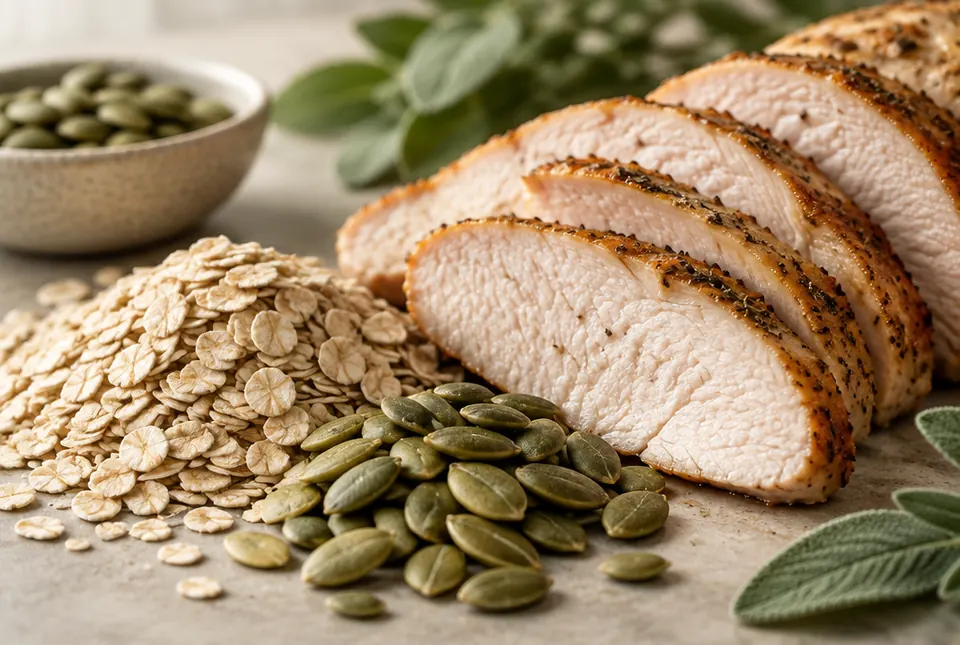
L-tryptophan is an essential amino acid, which means the body cannot make it and it must come from food. It is found in protein-rich foods such as turkey, chicken, milk, cheese, oats, nuts and seeds, and most people get enough from a normal, varied diet.
The body uses tryptophan to make serotonin, a chemical messenger in the brain and gut, and melatonin, the hormone involved in the sleep-wake cycle. It can also be converted into niacin (vitamin B3). Researchers have studied tryptophan in relation to mood and sleep, but no health claims are authorised for it in the UK.
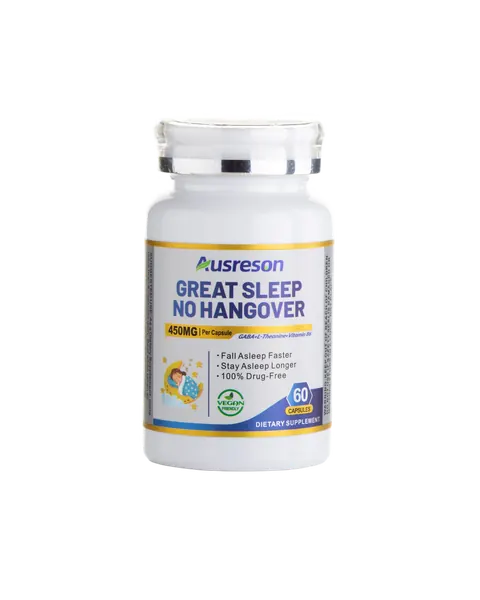
Tryptophan also has an important history. In 1989, an outbreak of a serious illness called eosinophilia-myalgia syndrome in the United States was linked to L-tryptophan supplements, and products were recalled. Investigators from the CDC and FDA later found contaminants in the batches linked to cases. This is why manufacturing quality and purity testing matter so much for tryptophan products. On labels it appears as L-tryptophan, with amounts in milligrams (mg).