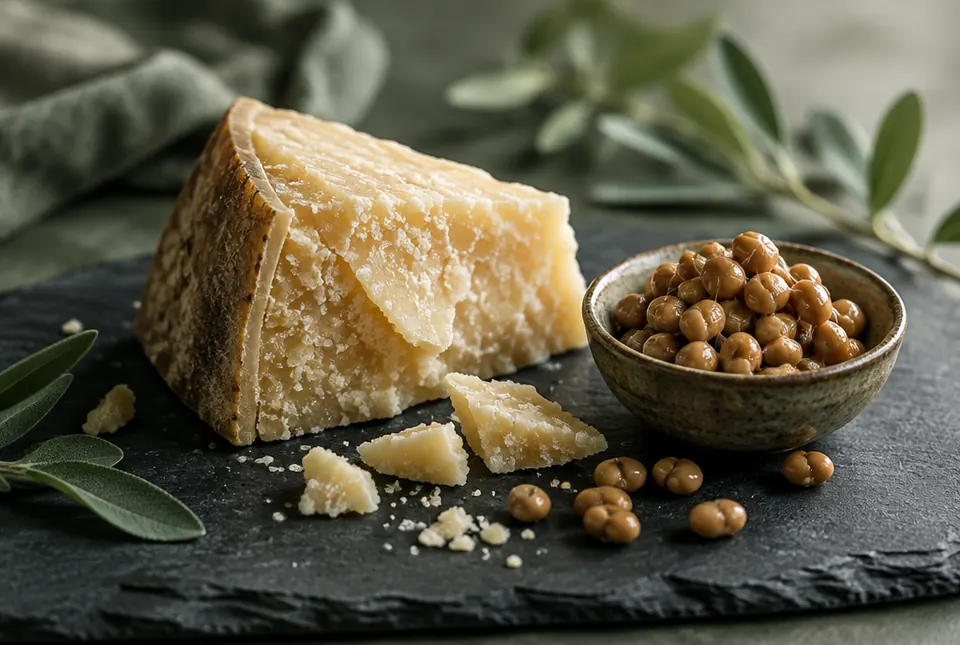
Vitamin K is a group of fat-soluble vitamins. Vitamin K1 (phylloquinone) comes mainly from green leafy vegetables such as broccoli and spinach, along with vegetable oils and cereal grains. Vitamin K2 is a family of compounds called menaquinones, found in smaller amounts in meat, dairy foods and fermented foods such as natto and hard cheese.
Vitamin K is best known for its role in normal blood clotting, which helps wounds heal. It also contributes to the maintenance of normal bones, which is why vitamin K2 is often paired with vitamin D3 and calcium in bone-focused formulas.
On supplement labels, vitamin K2 usually appears as menaquinone-7 (MK-7) or menaquinone-4 (MK-4). Amounts are small and listed in micrograms (µg). Any vitamin K your body does not need straight away is stored in the liver, so you do not need it in your diet every day. Because vitamin K is so closely linked to blood clotting, it is one of the few vitamins where medicine interactions really matter, especially for people taking blood thinners.