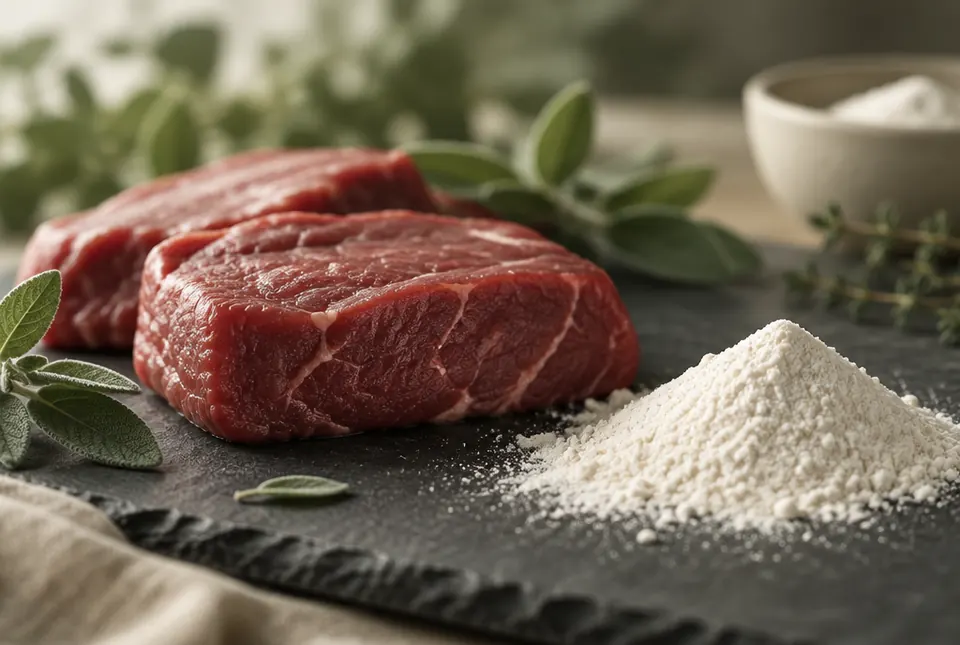
L-carnitine is a compound the body makes from the amino acids lysine and methionine, in the liver, kidneys and brain. It is also found in food. Red meat is the richest source, poultry, fish and dairy contain some, and vegetables, fruit and grains contain very little.
Carnitine carries fatty acids into the mitochondria, the parts of cells that use them to produce energy. Because the liver and kidneys make enough, healthy children and adults do not need to get carnitine from food or supplements. Researchers have studied carnitine in relation to exercise and other areas, but no health claims are authorised for it in the UK.
The two main forms in supplements are L-carnitine and acetyl-L-carnitine, with amounts listed in milligrams (mg). Some medicines can lower the body's carnitine levels, including some long-term antibiotics and anticonvulsants such as valproic acid and phenobarbital, which is one situation where a doctor might look at carnitine more closely.