Free EU delivery over €200
Nutra Formulations
Amino acids

Trimethylglycine (betaine)

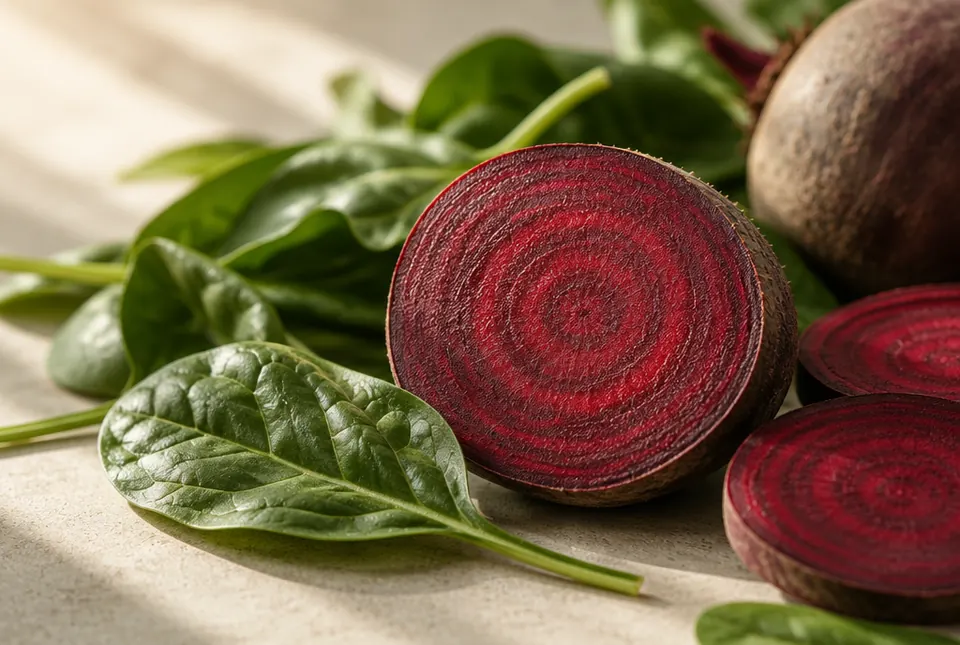
A compound found in beetroot, spinach and whole grains.

Why it’s used: Takes part in methylation, a basic chemical process in every cell.

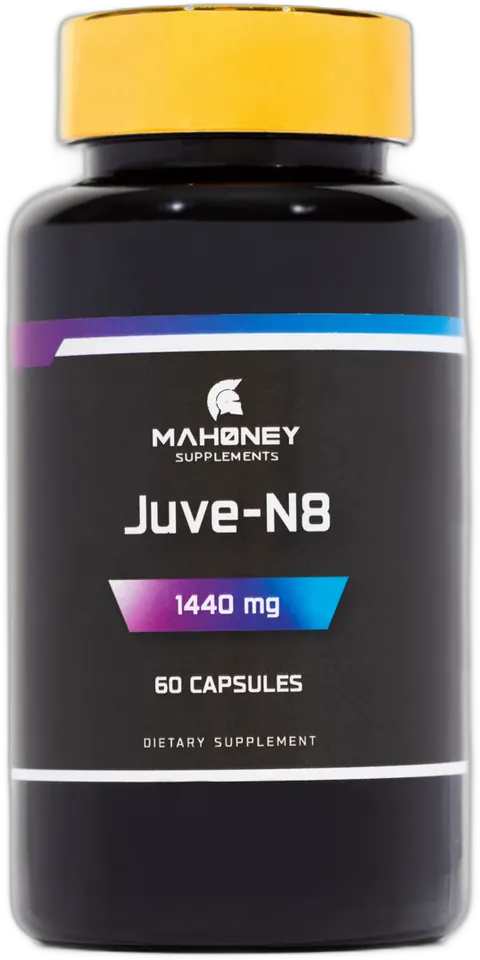
Shop 1 product with trimethylglycine
sliced beetroot and spinach leaves
About

What is trimethylglycine?

Trimethylglycine, usually shortened to TMG and also called betaine, is a small compound made from the amino acid glycine with three methyl groups attached. Those methyl groups are what make it useful: the body hands them on in methylation, a basic chemical process that happens in every cell.

Betaine was first identified in sugar beet, which is where its name comes from, and beet remains a major commercial source. In everyday food you get it from wheat bran and other whole grains, spinach, beetroot, quinoa and shellfish. Your body can also make some of its own from choline.

On supplement labels you may see it as betaine, betaine anhydrous or trimethylglycine. It comes as capsules or powder and often appears alongside B vitamins such as folate and B12, which work in the same methylation pathway. Do not confuse TMG with betaine HCl, a different form sold for digestion. The two are easy to mix up on a crowded shelf.

What the research says

Evidence, not anecdote.

3 findings behind this ingredient. Hover a card for the detail and the source.

Meta-analysis2022

Betaine supplements lowered homocysteine, with doses under 4 g a day avoiding the cholesterol rise seen at higher doses.

Systematic review and meta-analysis of betaine trials. Betaine lowered homocysteine by 1.30 µmol/L but raised total and LDL cholesterol overall; subgroup analysis suggested doses below 4 g a day lowered homocysteine without affecting lipids.

Meta-analysis2013

Betaine taken for at least six weeks significantly lowered blood homocysteine in healthy adults.

Meta-analysis of five randomised placebo-controlled trials in healthy adults taking at least 4 g of betaine a day for 6–24 weeks. Plasma homocysteine fell by 1.23 µmol/L on average.

Clinical study2003

Betaine at 1.5 g a day, within the range found in food, lowered fasting homocysteine by 12%.

Placebo-controlled study of 76 healthy adults taking 1.5, 3 or 6 g betaine or placebo daily for six weeks. Fasting homocysteine fell by 12%, 15% and 20% respectively versus placebo.

In our range

Supplements with trimethylglycine.

Questions

Asked before you buy.

Can't see yours? Ask our team, answered within a working day.

Is TMG the same as betaine?

Yes. Trimethylglycine and betaine anhydrous are the same compound. It is not the same as betaine HCl, which is betaine combined with hydrochloric acid and sold for a different purpose, so check the label carefully.

What foods are high in TMG?

Wheat bran, wheat germ and other whole grains are the richest sources, followed by spinach, beetroot, quinoa and shellfish. A varied diet with whole grains and leafy greens provides a useful amount, and the body also makes some from choline.

Does TMG raise cholesterol?

It can at higher intakes. That is why the authorised health claim must carry a warning that more than 4 g a day may significantly increase blood cholesterol. The beneficial effect in the claim comes from 1.5 g daily, well below that.

Shop by goal
Often found with
Independent experts

Experts on trimethylglycine (betaine).

Videos from doctors, research scientists and registered dietitians, for general education. They are independent of Nutra Formulations, do not refer to our products and are not medical advice for you.

Betaine: The Molecule Behind Exercise's Anti-Ageing Effects

Dr Nick Norwitz, MD (Harvard), PhD (Oxford) · Nick Norwitz MD PhD on YouTube

Sources
  1. EU Register of nutrition and health claims made on foods · European Commission, 2024
  2. Betaine · MedlinePlus, 2023

Information only, not medical advice. If you take medication, are pregnant or breastfeeding, speak to your GP or pharmacist first.

Find your protocol

Not sure where to start?

Six quick questions match you to the products in our range that fit your goal, with the reasons why.

Start the assessment