Free EU delivery over €200
Nutra Formulations
Amino acids

GABA

Gamma-aminobutyric acid, a messenger molecule found naturally in the brain and in fermented foods.

Why it’s used: Plays a role in calming signals in the nervous system.

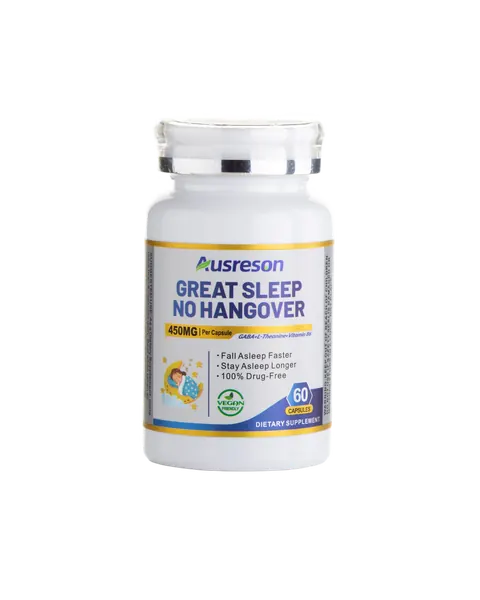
Shop 1 product with gaba
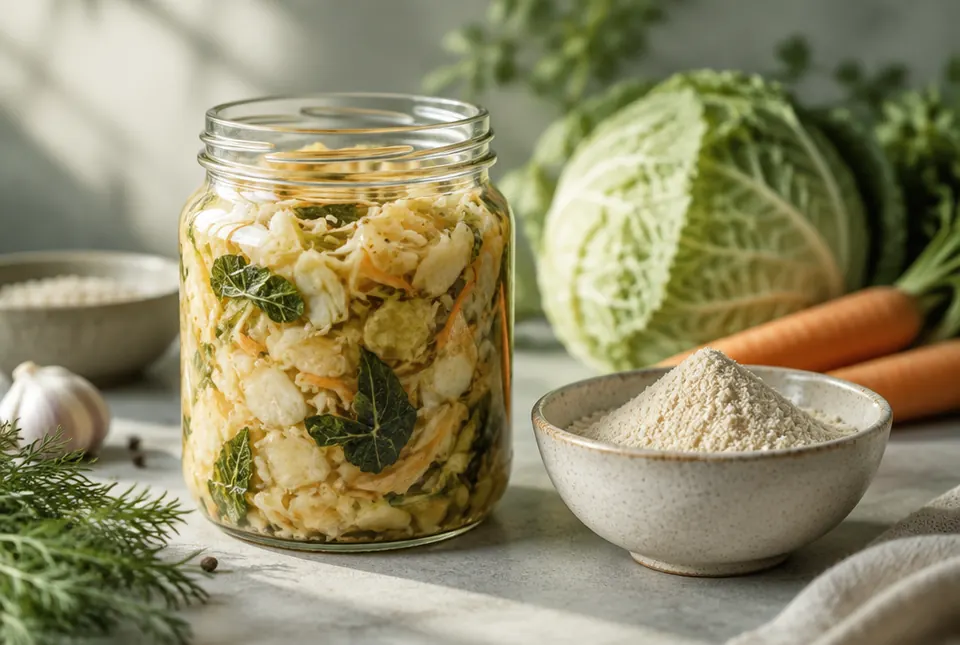
fermented vegetables in a glass jar beside fine powder
About

What is gaba?

GABA, short for gamma-aminobutyric acid, is an amino acid that the body makes itself. In the brain it acts as a chemical messenger, and it plays a role in the calming signals that help balance activity in the nervous system. It is not one of the amino acids used to build proteins, so you will not see it listed among the protein building blocks on a nutrition label.

Small amounts of GABA occur naturally in foods, especially fermented ones such as kimchi, tempeh and some yoghurts, and it is also found in green and oolong teas. The GABA sold in supplements is usually made by fermentation, often using lactic acid bacteria, and you may see it described on labels as "PharmaGABA" or simply as gamma-aminobutyric acid.

GABA is typically sold as capsules or powder, sometimes on its own and sometimes in evening blends alongside magnesium, L-theanine or herbal extracts. Researchers have studied it in small trials looking at relaxation and sleep, but the evidence is still early and mixed, and it is not yet clear how much supplemental GABA reaches the brain.

What the research says

Evidence, not anecdote.

3 findings behind this ingredient. Hover a card for the detail and the source.

RCT2018

GABA from fermented rice germ shortened the time to fall asleep and improved sleep efficiency in adults with insomnia symptoms.

Randomised double-blind placebo-controlled trial in 40 adults with insomnia symptoms taking 300 mg GABA a day or placebo for 4 weeks. Sleep tests showed shorter sleep latency and higher sleep efficiency only in the GABA group.

RCT2012

A 100 mg dose of GABA reduced brain-wave signs of mental stress and improved mood scores compared with placebo.

Randomised single-blind placebo-controlled crossover study in 63 adults doing stressful mental tasks after 100 mg GABA or placebo. GABA lessened the stress-related drop in alpha and beta brain waves, matched by mood questionnaire results.

RCT2016

Oral GABA shortened the time taken to fall asleep and lengthened non-REM sleep compared with placebo in a sleep EEG study.

Randomised single-blind placebo-controlled crossover study measuring sleep by EEG after oral GABA. GABA shortened sleep latency and increased non-REM sleep time, and blood GABA peaked 30 minutes after intake; the study was run by a GABA producer.

In our range

Supplements with gaba.

Questions

Asked before you buy.

Can't see yours? Ask our team, answered within a working day.

Does GABA from supplements reach the brain?

Nobody knows for certain. GABA is thought to cross from the blood into the brain only in small amounts, and researchers are still investigating whether supplemental GABA acts directly on the brain or works through other routes, such as nerves in the gut.

What foods contain GABA?

Fermented foods are the richest everyday sources, including kimchi, tempeh, miso and some yoghurts. Green, black and oolong teas contain small amounts, as do tomatoes, sprouted grains and brown rice. The amounts are far lower than those in most supplements.

What are the side effects of GABA?

Most people tolerate GABA well in studies. Reported effects include stomach discomfort, headache, drowsiness, a brief tingling or burning in the throat, and a small, short-lived drop in blood pressure. Avoid driving if it makes you drowsy.

Shop by goal
Often found with
Independent experts

Experts on gaba.

Videos from doctors, research scientists and registered dietitians, for general education. They are independent of Nutra Formulations, do not refer to our products and are not medical advice for you.

Poor Sleep? Waking Up at Night? Foods That Boost GABA Naturally

Patricia Leite, Nutritionist (CRN-RJ, Brazil; registered dietitian equivalent) · Patricia Health and Nutrition on YouTube

Find your protocol

Not sure where to start?

Six quick questions match you to the products in our range that fit your goal, with the reasons why.

Start the assessment