Free EU delivery over €200
Nutra Formulations
Vitamins

Folate (vitamin B9)

A B vitamin found in leafy greens and pulses, supplied as folic acid or folate.

Why it’s used: Contributes to normal blood formation and to the reduction of tiredness and fatigue.

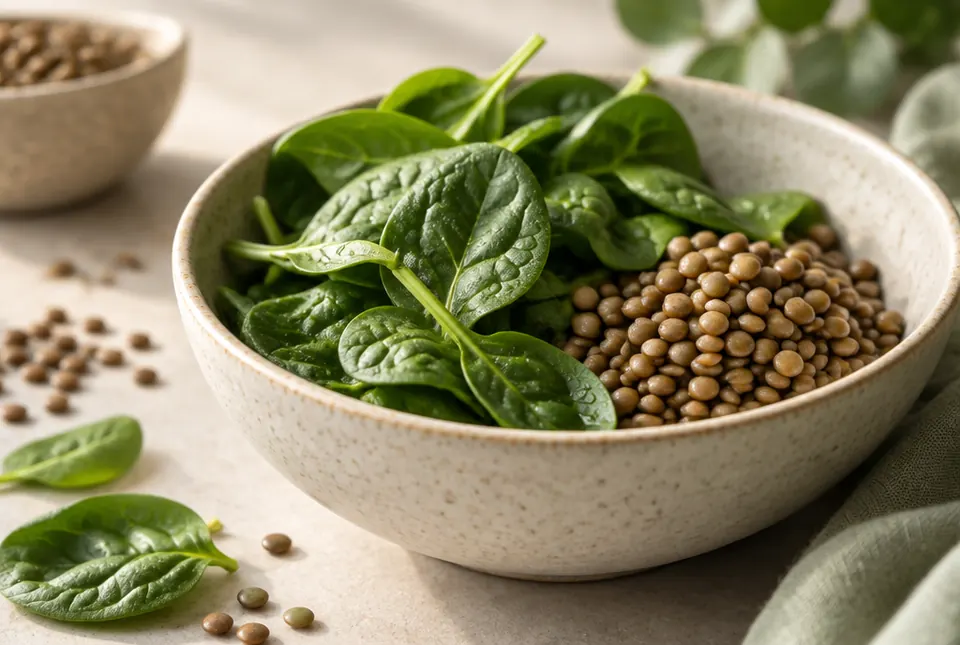
fresh spinach leaves and lentils in a ceramic bowl
About

What is folate?

Folate, also known as vitamin B9, is a B vitamin found in small amounts in many foods. Good sources include broccoli, brussels sprouts, leafy greens such as cabbage, kale, spring greens and spinach, peas, chickpeas and kidney beans. Folic acid is the manmade form, used in supplements and in fortified foods such as breakfast cereals.

Folate helps the body form healthy red blood cells. It contributes to normal blood formation and to the reduction of tiredness and fatigue. There are no long-term stores in the body, so you need to eat folate-containing foods often.

On labels you will usually see folic acid. Some products use methylfolate, also written as 5-MTHF, which some people with a common gene variant called MTHFR C677T may be able to use more easily. For anyone who could become pregnant, UK advice is specific: take a 400 microgram folic acid supplement every day before conception and until 12 weeks of pregnancy. The NIH notes that this advice is for folic acid itself rather than methylfolate, even for people with the gene variant.

What the research says

Evidence, not anecdote.

2 findings behind this ingredient. Hover a card for the detail and the source.

Systematic review2015

Daily folic acid around conception, alone or with other vitamins, cut the risk of neural tube defects by about two-thirds.

Cochrane review of five trials involving 7,391 women. Folic acid lowered neural tube defects (RR 0.31; 6,708 births; high-quality evidence), with no clear effect on other birth defects.

Meta-analysis1998

Folic acid supplements of 0.5 to 5 mg a day lowered blood homocysteine by about a quarter in pooled randomised trials.

Meta-analysis of individual data from 1,114 people in 12 randomised trials. Folic acid reduced homocysteine by 25% (95% CI 23–28%), and adding about 0.5 mg vitamin B12 gave a further 7% reduction.

In our range

Supplements with folate.

None of our current products contain it. Find the right supplement for you in six questions.

Questions

Asked before you buy.

Can't see yours? Ask our team, answered within a working day.

What is the difference between folate and folic acid?

Folate is the natural form of vitamin B9 in foods such as leafy greens and pulses. Folic acid is the manmade form used in supplements and fortified foods. Methylfolate (5-MTHF) is another supplement form, which some people with a common gene variant may use more easily.

How much folic acid should I take when trying for a baby?

UK advice is 400 micrograms of folic acid a day while trying to conceive and until you are 12 weeks pregnant, ideally starting before you stop contraception. Some women are advised to take a higher 5mg dose instead, so speak to your GP about whether this applies to you.

Can you take too much folic acid?

The NHS says 1mg or less a day of folic acid from supplements is unlikely to cause harm. Higher doses can mask the signs of vitamin B12 deficiency, which can damage the nervous system if missed. This is a particular concern for older people.

Sources
  1. B vitamins and folic acid: vitamins and minerals · NHS, 2020
  2. Folate: fact sheet for consumers · NIH Office of Dietary Supplements, 2022

Information only, not medical advice. If you take medication, are pregnant or breastfeeding, speak to your GP or pharmacist first.

Find your protocol

Not sure where to start?

Answer six quick questions and we will point you to the protocol or product that fits your goal. No email needed.

Start the assessment