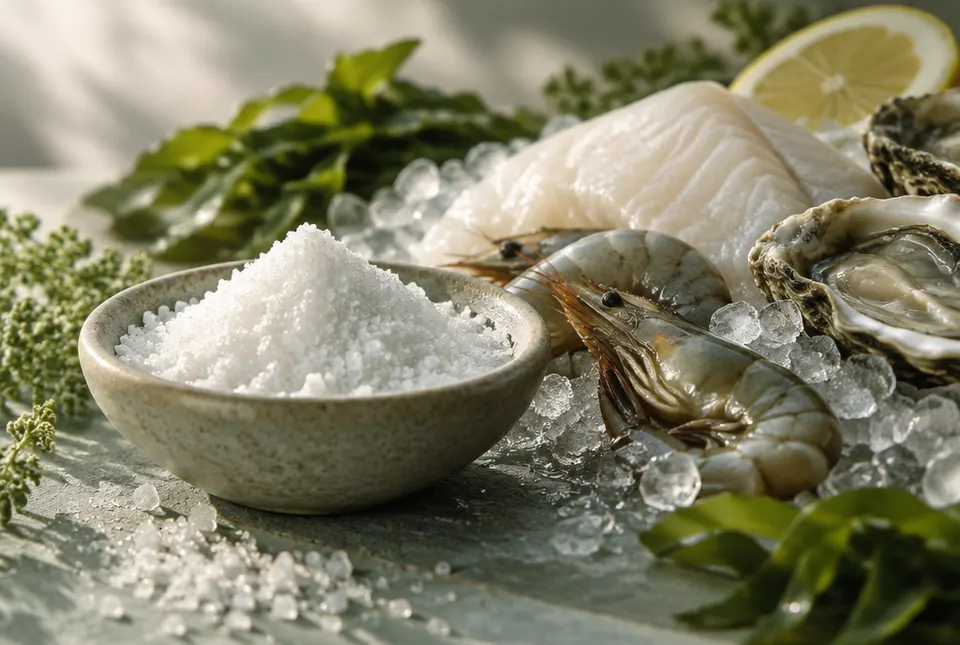
Taurine is a sulphur-containing amino acid found in meat, fish and seafood, and in high amounts in the heart and muscles. The body can make its own taurine, and plants contain essentially none, so people who eat no animal foods rely on what their bodies make.
Unlike most amino acids, taurine is not used to build proteins. Instead, it is involved in fluid balance within cells and in bile formation, where it combines with bile acids that help the body digest fats. Researchers have studied taurine in relation to heart, muscle and exercise in small trials, but no health claims are authorised for it in the UK.
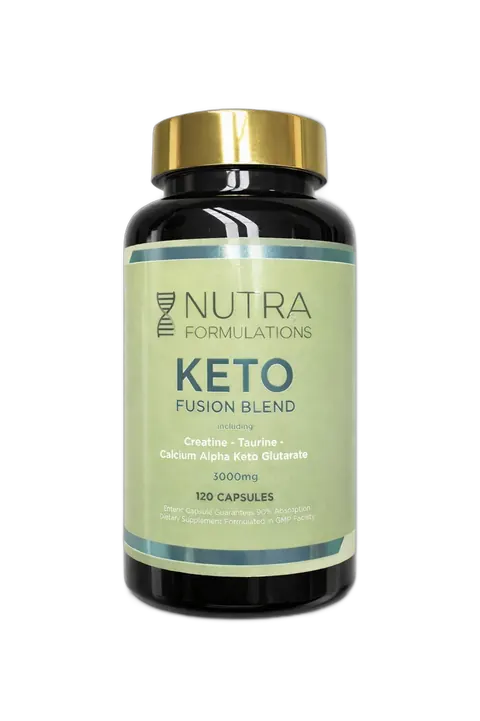
Taurine is best known as an ingredient in energy drinks. In 2009 the European Food Safety Authority reviewed taurine at the levels used in energy drinks and concluded that exposure at those levels was not a safety concern. In supplements it appears as taurine or L-taurine, usually in capsules or as a powder, with amounts listed in milligrams (mg) or grams (g).