Free EU delivery over €200
Nutra Formulations
Herbs and botanicals

Lion’s mane

A white, shaggy mushroom used in traditional Asian cooking and medicine.

Why it’s used: Traditionally used to support focus and memory.

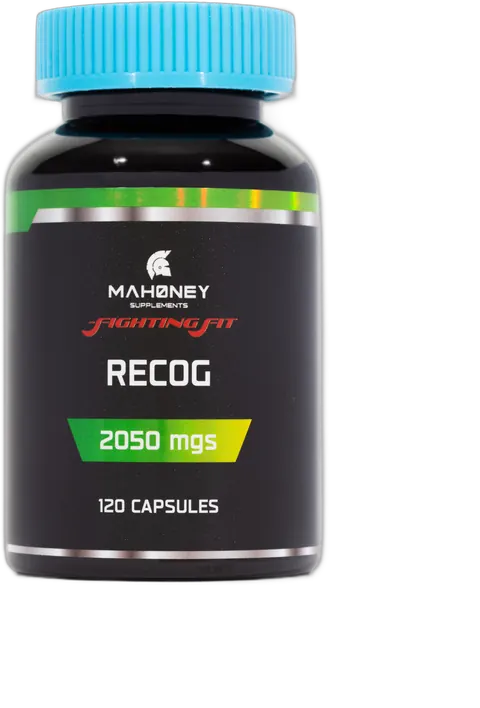
Shop 1 product with lion’s mane
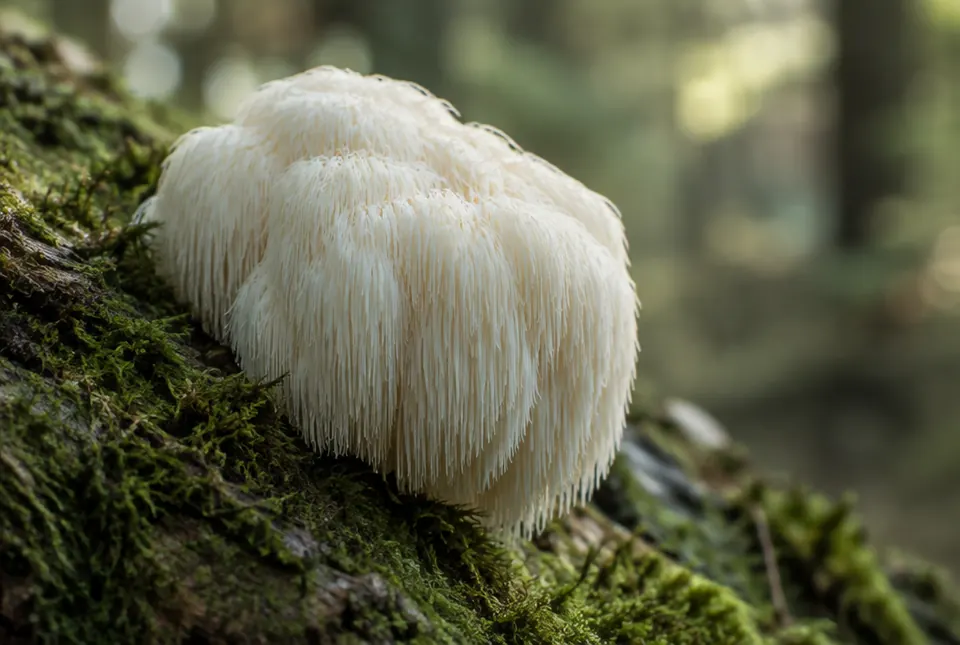
lion's mane mushroom on a mossy log
About

What is lion’s mane?

Lion's mane, Hericium erinaceus, is an edible mushroom that grows on hardwood trees in Asia, Europe and North America. Instead of a cap, it forms a cascade of soft white spines that look a little like a mane, which gives it its name. In Japan it is known as yamabushitake.

It has long been eaten in Asian cooking, where its texture is often compared to crab or lobster, and in traditional Chinese and Japanese practice it is traditionally used to support focus and memory. Researchers are interested in two groups of compounds, hericenones from the fruiting body and erinacines from the mycelium. Small human studies have looked at cognition and mood, with some interesting early results, but the evidence is still limited and it has no authorised health claim.

On labels you will see lion's mane, Hericium erinaceus fruiting body extract, mycelium powder, or extracts standardised to beta-glucans or polysaccharides. Fruiting body and mycelium products are different, so check which part of the mushroom is used and how concentrated the extract is.

What the research says

Evidence, not anecdote.

3 findings behind this ingredient. Hover a card for the detail and the source.

Systematic review2025

A systematic review found lion's mane was linked with improved cognitive scores in people with and without dementia.

PRISMA systematic review of five randomised trials, three pilot trials and laboratory studies. In one randomised and one pilot trial, Mini-Mental State Examination scores rose by a combined 1.17 points; reported side effects were mild.

RCT2009

Lion's mane tablets improved cognitive function scores in older Japanese adults with mild cognitive impairment.

Double-blind, placebo-controlled trial in 30 adults aged 50–80, taking 3 g a day of dried mushroom powder for 16 weeks. Scores rose significantly versus placebo at weeks 8, 12 and 16, then fell after stopping.

RCT2019

Lion's mane fruiting body supplements improved cognitive test scores over 12 weeks compared with placebo.

Randomised, double-blind, placebo-controlled trial of supplements containing Hericium erinaceus fruiting body for 12 weeks. Mini-Mental State Examination scores improved significantly versus placebo; two other memory tests did not differ.

In our range

Supplements with lion’s mane.

Questions

Asked before you buy.

Can't see yours? Ask our team, answered within a working day.

What is the difference between fruiting body and mycelium?

The fruiting body is the visible mushroom, while the mycelium is the root-like network that grows underneath. They contain different compounds: hericenones mainly in the fruiting body and erinacines mainly in the mycelium. Labels should tell you which part is used.

Is lion's mane safe?

In short human studies it has generally been well tolerated, and the NIH LiverTox database rates it as unlikely to cause liver injury. Mild stomach upset can occur. Avoid it if you have a mushroom allergy, or are pregnant or breastfeeding, and check with a pharmacist if you take medicines.

Can you eat lion's mane as food?

Yes. Lion's mane is a culinary mushroom, often pan-fried, with a texture compared to crab or lobster. Supplements concentrate it into powders or extracts so you can take a consistent amount, which is how it has been used in research.

Shop by goal
Often found with
Sources
  1. Lion's Mane (LiverTox) · NCBI Bookshelf, NIH, 2024
  2. Improving effects of the mushroom Yamabushitake (Hericium erinaceus) on mild cognitive impairment: a double-blind placebo-controlled clinical trial · PubMed, 2009
  3. Benefits, side effects, and uses of Hericium erinaceus as a supplement: a systematic review · Frontiers in Nutrition (PubMed), 2025

Information only, not medical advice. If you take medication, are pregnant or breastfeeding, speak to your GP or pharmacist first.

Find your protocol

Not sure where to start?

Six quick questions match you to the products in our range that fit your goal, with the reasons why.

Start the assessment