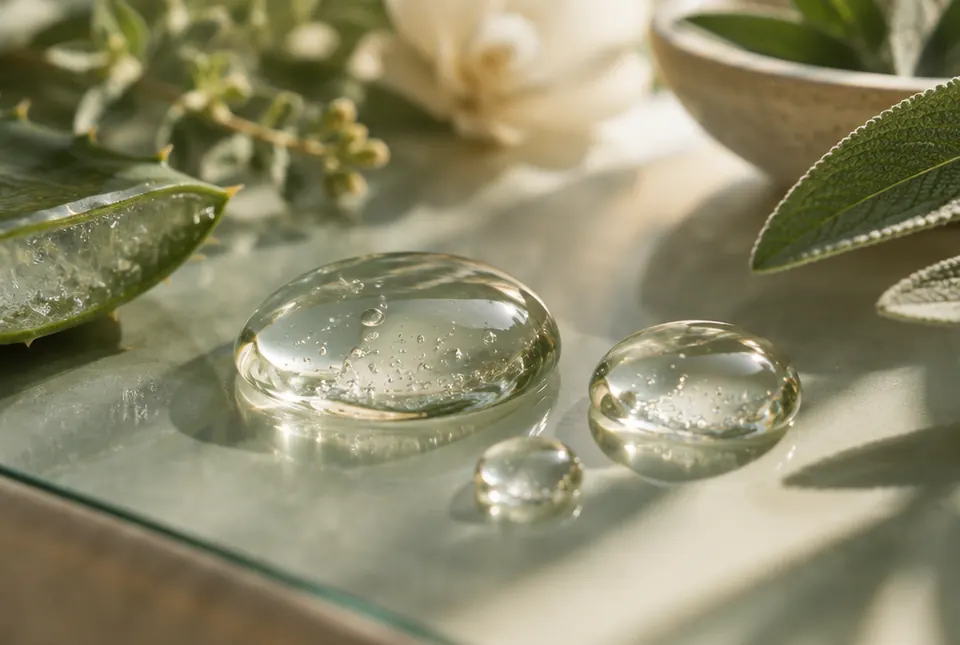
Hyaluronic acid, sometimes called hyaluronan or sodium hyaluronate, is a large sugar-based molecule found throughout the body. It is especially concentrated in skin and in the synovial fluid that cushions and lubricates joints. Its standout property is its ability to hold a great deal of water, which keeps tissues plump and hydrated.
The body makes its own hyaluronic acid, and levels in skin tend to fall with age. Supplements are made in two main ways: extracted from rooster combs, which are naturally rich in it, or produced by bacterial fermentation, which gives a source suitable for people avoiding animal ingredients. Labels may also mention molecular weight, as products range from low to high.
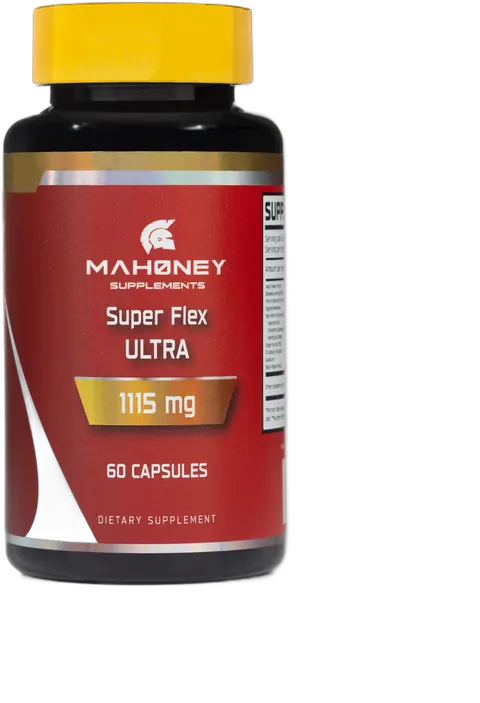
Oral hyaluronic acid is sold as capsules, tablets and liquids, often in skin or joint formulas with collagen and vitamin C. Researchers have studied it in small trials looking at skin moisture and joint comfort. EFSA reviewed a claim that it protects skin from dehydration and found the evidence did not establish it, so no health claim is authorised.