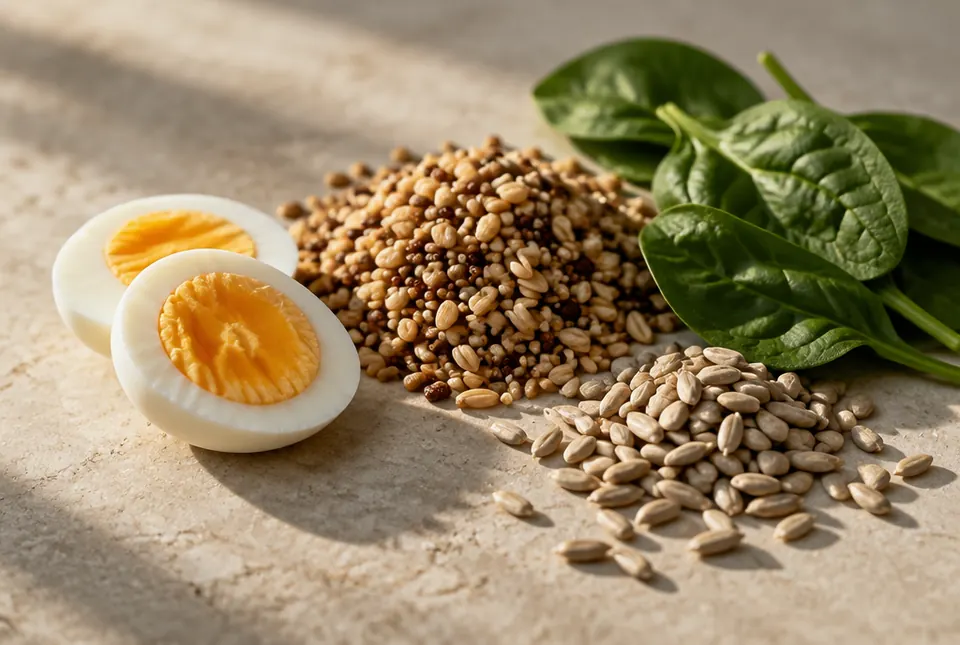
Vitamin B2, or riboflavin, is a water-soluble B vitamin. Good food sources include milk, eggs, plain yoghurt, mushrooms and fortified breakfast cereals. UV light can break riboflavin down, which is why the NHS suggests keeping these foods out of direct sunlight. The body cannot store riboflavin, so you need some in your diet every day, though most people get enough from a varied diet.
Riboflavin helps the body release energy from food and helps keep the skin, eyes and nervous system healthy. It contributes to the reduction of tiredness and fatigue and to the maintenance of normal skin and normal vision. Dairy foods are a particularly useful source for many people in the UK.
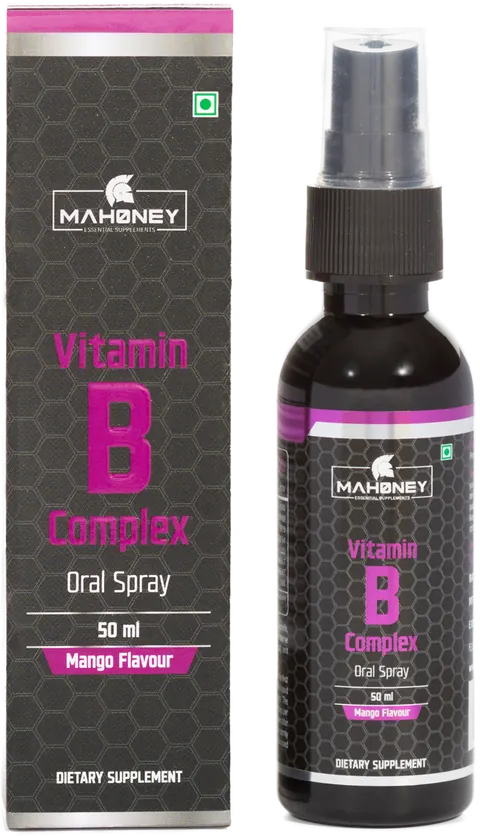
On labels it is usually listed simply as riboflavin. You will find it in multivitamin and mineral supplements, in B-complex formulas and in supplements that contain riboflavin alone, with the amount shown in milligrams (mg). Because it works alongside the other B vitamins in the release of energy from food, it is most often taken as part of a combined product.