Free EU delivery over €200
Nutra Formulations
Vitamins

Vitamin B3 (niacin)

A water-soluble B vitamin, often supplied as niacinamide.

Why it’s used: Contributes to the reduction of tiredness and fatigue and to the maintenance of normal skin.

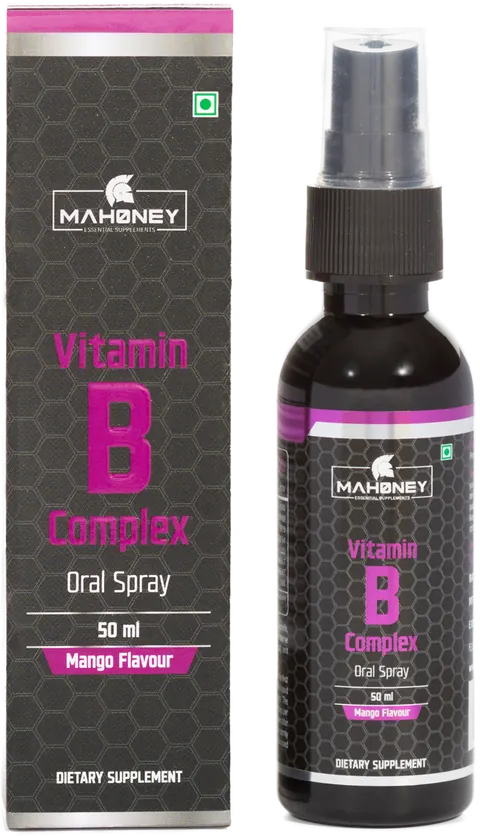
Shop 2 products with vitamin b3
egg, whole grains, spinach and seeds
About

What is vitamin b3?

Vitamin B3, or niacin, is a water-soluble B vitamin found in meat, fish, eggs and wheat flour. It comes in two main forms, nicotinic acid and nicotinamide (also called niacinamide), and both occur naturally in food. Niacin cannot be stored in the body, so you need it in your diet every day.

Niacin helps the body release energy from food and helps keep the nervous system and skin healthy. It contributes to the reduction of tiredness and fatigue and to the maintenance of normal skin.

The form on the label matters. Supplements with 30mg or more of nicotinic acid can make the skin on the face, arms and chest turn red and burn, tingle or itch, which is known as flushing. Nicotinamide has fewer side effects, which is one reason many multivitamins and B-complex products use it. Much larger doses of nicotinic acid, of 1,000mg or more a day, are used as a medicine under medical supervision, which is a very different situation from everyday supplements. When you compare products, check which form is used as well as the amount in milligrams.


What the research says

Evidence, not anecdote.

The finding behind this ingredient. Hover a card for the detail and the source.

RCT2005

Topical 5% niacinamide improved fine lines, uneven pigmentation, redness and elasticity in sun-aged facial skin.

Double-blind, split-face randomised study in 50 women applying 5% niacinamide or vehicle twice daily for 12 weeks. Fine lines, spots, blotchiness, sallowness and elasticity improved.

In our range

Supplements with vitamin b3.

Questions

Asked before you buy.

Can't see yours? Ask our team, answered within a working day.

What is the difference between niacin and niacinamide?

Both are forms of vitamin B3. Nicotinic acid can cause skin flushing at 30mg or more, while niacinamide (nicotinamide) has fewer side effects. The NHS gives separate guidance for each: 17mg or less of nicotinic acid, or 500mg or less of nicotinamide, a day from supplements.

Why does niacin make my skin flush?

Nicotinic acid, one form of niacin, can make the skin on the face, arms and chest turn red and feel burning, tingly or itchy, usually at supplement doses of 30mg or more. Products that use nicotinamide instead are less likely to cause this.

What does vitamin B3 do in the body?

Niacin helps the body release energy from food and keeps the nervous system and skin healthy. It contributes to the reduction of tiredness and fatigue and to the maintenance of normal skin. Meat, fish, eggs and wheat flour are good everyday sources.

Shop by goal
Often found with
Sources
  1. B vitamins and folic acid: vitamins and minerals · NHS, 2020
  2. Niacin: fact sheet for consumers · NIH Office of Dietary Supplements, 2021

Information only, not medical advice. If you take medication, are pregnant or breastfeeding, speak to your GP or pharmacist first.

Find your protocol

Not sure where to start?

Six quick questions match you to the products in our range that fit your goal, with the reasons why.

Start the assessment