Free EU delivery over €200
Nutra Formulations
Nutrients and compounds

Quercetin

A plant flavonoid found in onions, apples and capers.

Why it’s used: A flavonoid antioxidant.

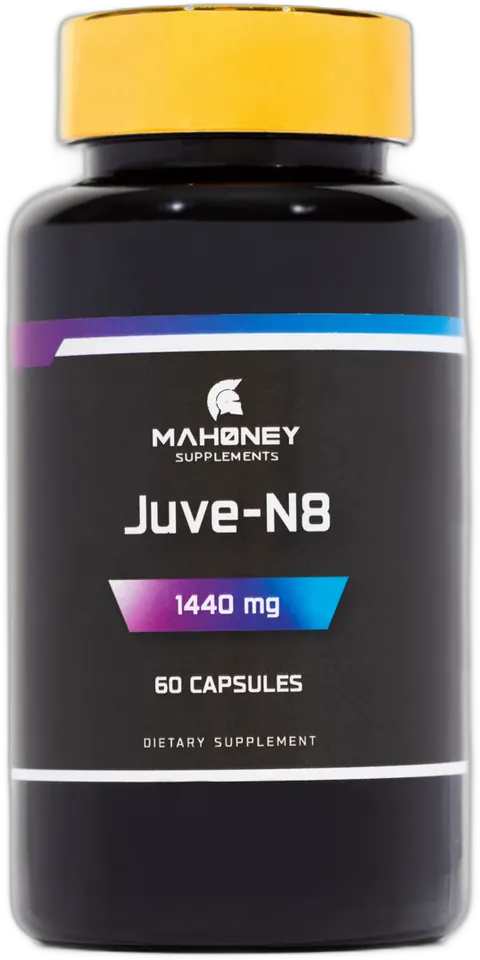
Shop 1 product with quercetin
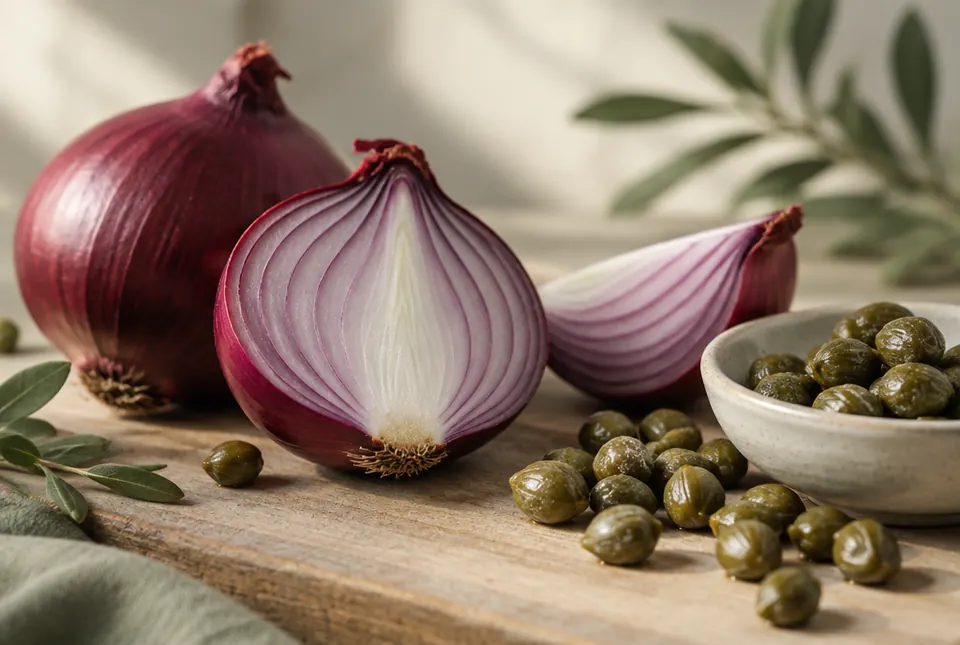
red onions and capers on a board
About

What is quercetin?

Quercetin is one of the most common flavonoids in the diet. Flavonoids are plant compounds that contribute to the colours of fruit and vegetables and help protect plants from stress. Quercetin is a flavonoid antioxidant, and in food it is usually attached to a sugar, forming compounds called glycosides.

Onions are one of the best sources, and their quercetin glycosides are absorbed comparatively well. Capers, apples, kale, berries, broccoli and tea also contribute. Supplements are concentrated plant extracts, and may appear on labels as quercetin or quercetin dihydrate.

Quercetin on its own is not very well absorbed, so you may see it in special forms such as quercetin phytosome, which pairs it with phospholipids, or combined with bromelain or vitamin C. Researchers have studied quercetin in many laboratory studies and in small human trials, with mixed results so far, and EFSA has not authorised any health claim for it. For most people, a colourful diet rich in onions, apples and berries is the natural starting point.

What the research says

Evidence, not anecdote.

3 findings behind this ingredient. Hover a card for the detail and the source.

Meta-analysis2016

Quercetin supplements lowered systolic and diastolic blood pressure, with clearer effects at 500 mg a day or more.

Meta-analysis of seven placebo-controlled randomised trials (nine arms, 587 patients). Quercetin reduced systolic blood pressure by 3.04 mmHg and diastolic by 2.63 mmHg.

Systematic review2023

An umbrella review found quercetin supplements lowered systolic blood pressure and insulin levels, but not other cardiometabolic markers.

Umbrella review of five meta-analyses covering 18 randomised trials, plus five newer trials. Quercetin reduced systolic blood pressure (-1.9 mmHg) and insulin; certainty of evidence ranged from very low to moderate.

Meta-analysis2011

Quercetin gave a small but significant improvement in endurance exercise capacity versus placebo, of roughly 2%.

Meta-analysis of 11 studies with 254 people, at a median 1,000 mg a day for 11 days. Combined VO2max and endurance performance favoured quercetin (effect size 0.15), an effect the authors describe as trivial to small.

In our range

Supplements with quercetin.

Questions

Asked before you buy.

Can't see yours? Ask our team, answered within a working day.

What foods are high in quercetin?

Capers and onions are among the richest sources. Apples (with the skin), kale, berries, broccoli, red grapes and tea also contribute. Quercetin from onions appears to be absorbed better than that from tea or apples.

What is quercetin phytosome?

It is quercetin bound to phospholipids, the fats that make up cell membranes. The aim is to improve absorption, as standard quercetin is poorly absorbed. It is a promising idea, but a clear advantage for health outcomes has not been established in research.

Why is quercetin combined with bromelain or vitamin C?

These combinations are traditional in supplement formulas, partly in the hope of improving absorption or adding complementary effects. The evidence that bromelain helps quercetin absorption is limited. Bromelain comes from pineapple, so avoid it if you are allergic.

Shop by goal
Often found with
Sources
  1. Safety Aspects of the Use of Quercetin as a Dietary Supplement · Molecular Nutrition & Food Research (PubMed), 2018
  2. Quercetin · LiverTox (NCBI Bookshelf), 2021

Information only, not medical advice. If you take medication, are pregnant or breastfeeding, speak to your GP or pharmacist first.

Find your protocol

Not sure where to start?

Six quick questions match you to the products in our range that fit your goal, with the reasons why.

Start the assessment