Plant sterols, also called phytosterols, are natural compounds found in the cell walls of plants. They have a very similar structure to cholesterol, which is how they work: in the gut they compete with cholesterol for absorption, so less cholesterol from food and bile is taken into the body. Plant stanols are a closely related group with the same role.
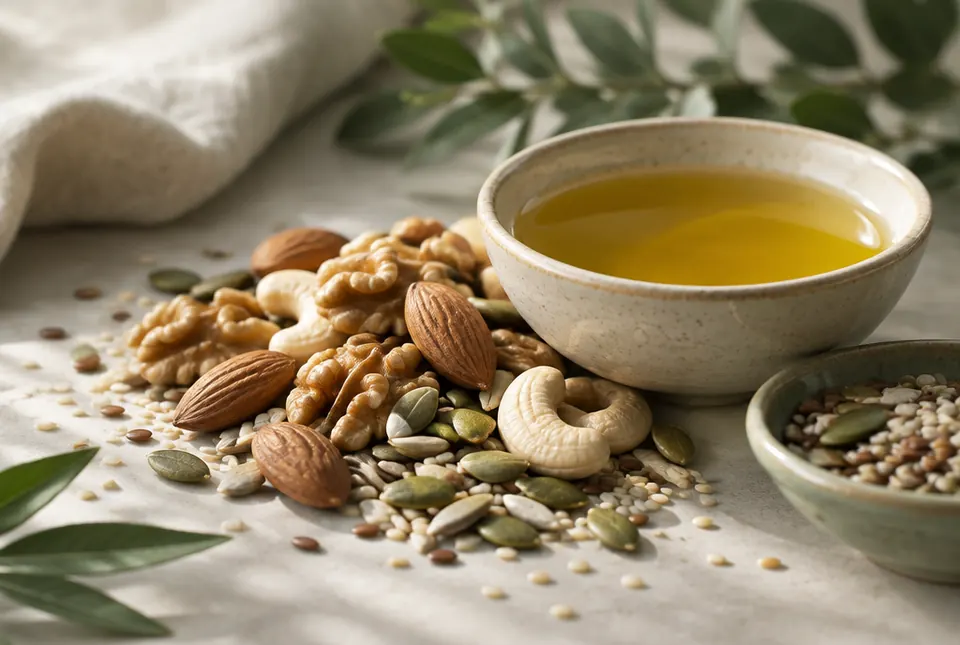
Small amounts are found in everyday foods, especially vegetable oils, nuts, seeds, grains, fruit and vegetables, but a normal diet supplies far less than the amounts studied for cholesterol. That is why they are added to fortified foods such as spreads, yoghurts and milk drinks, and sold as supplements, usually extracted from plant sources such as vegetable oils.
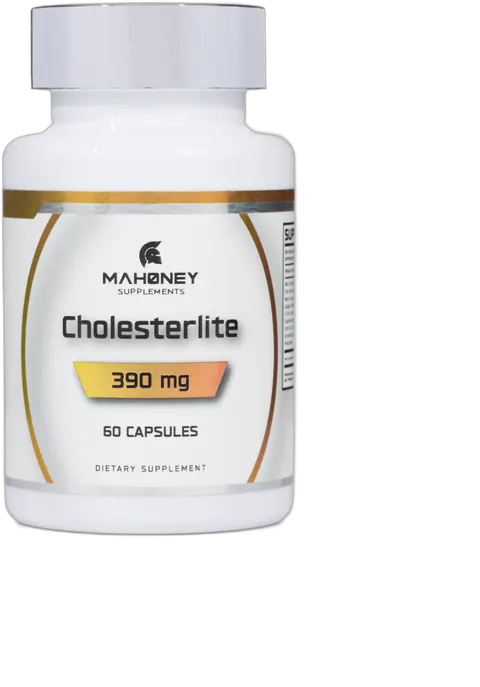
On labels you may see plant sterols, phytosterols, plant sterol esters, beta-sitosterol or plant stanol esters. Plant sterols contribute to the maintenance of normal blood cholesterol levels, with the beneficial effect obtained from a daily intake of at least 0.8 g. HEART UK suggests that sterols and stanols work best as part of an overall cholesterol-friendly diet, taken with meals.