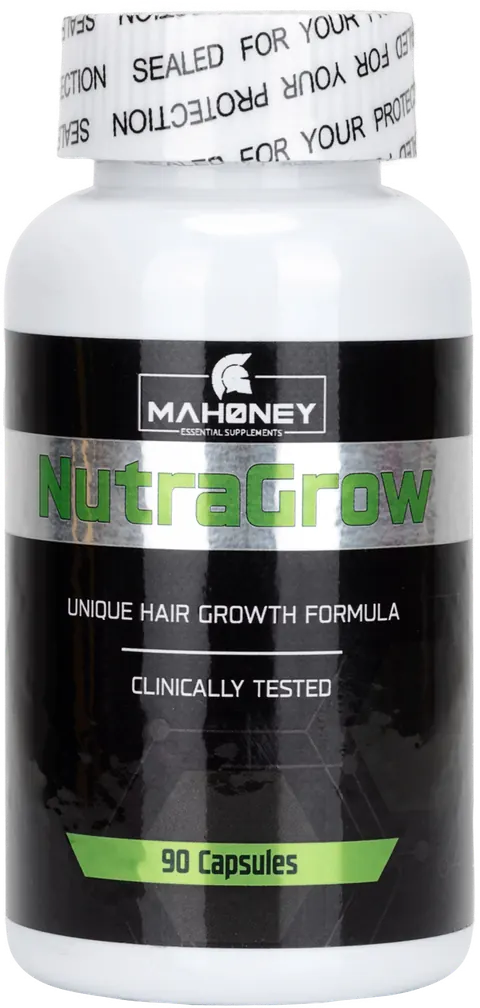
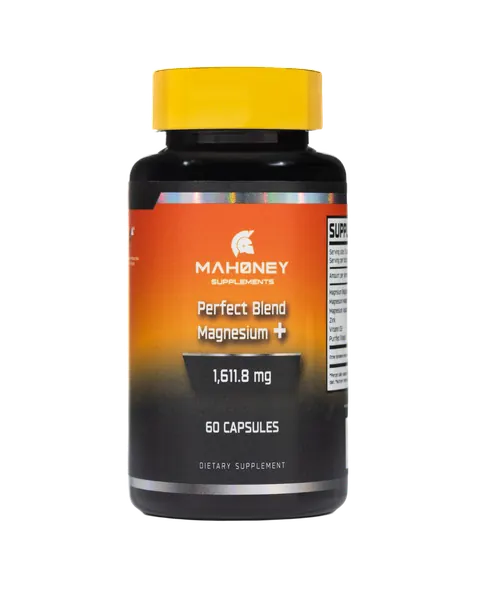
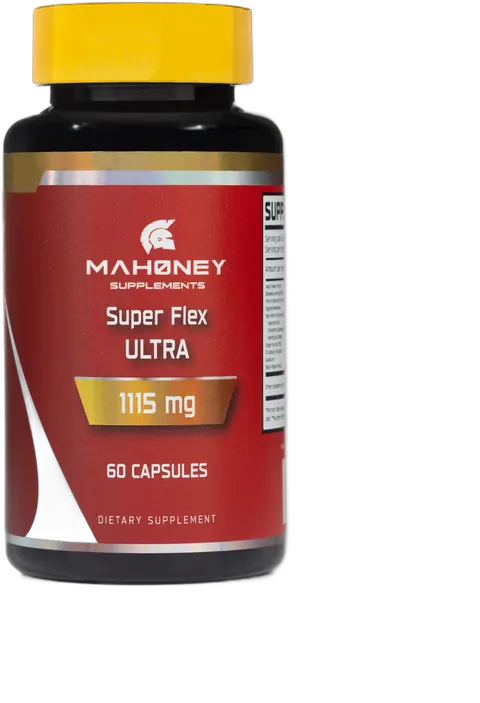
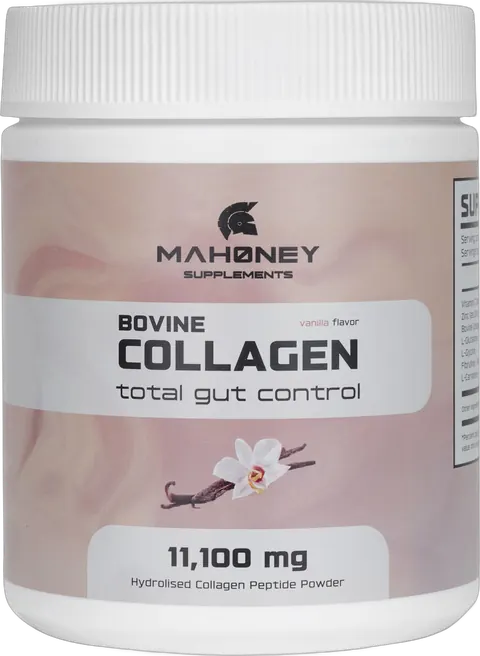
Zinc is an essential trace mineral that helps make new cells and enzymes, process the carbohydrate, fat and protein in food, and supports normal wound healing. Good sources include meat, shellfish, dairy foods such as cheese, bread and cereal products such as wheatgerm, along with seeds and pulses.
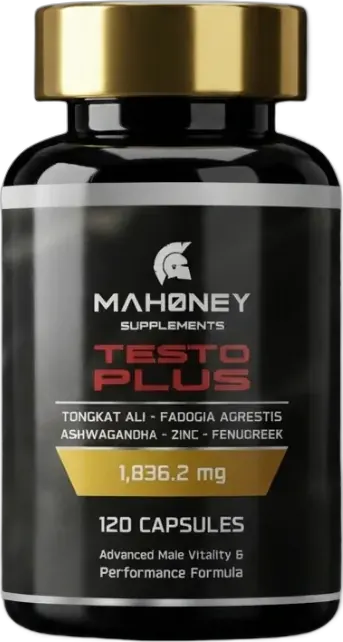
Zinc contributes to normal immune function, normal cognitive function, the maintenance of normal hair, skin and nails, and the maintenance of normal testosterone levels in the blood. That range of roles is why zinc appears in so many formulas, from everyday multivitamins to men's health products.
On labels you may see zinc citrate, gluconate, picolinate, bisglycinate, sulphate or acetate. The NIH notes it is not clear whether one form is better than the others. Because high doses of zinc reduce the amount of copper the body can absorb, products that provide larger amounts of zinc sometimes include a little copper too. As with any mineral, it is the total from all your supplements that counts.