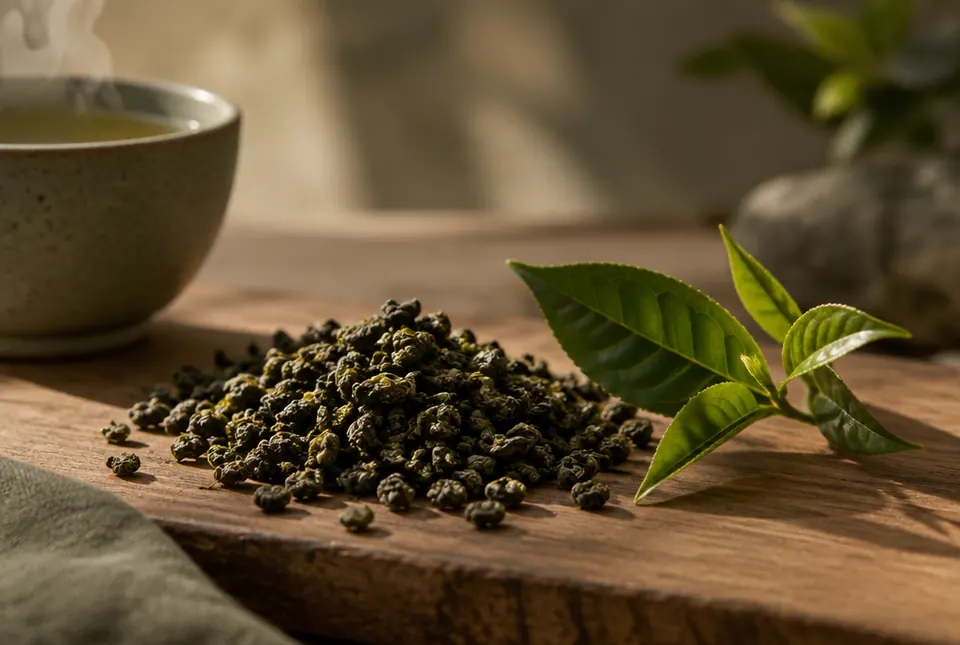
L-theanine is an amino acid found naturally in the leaves of the tea plant, Camellia sinensis. It is not one of the amino acids the body uses to build proteins, so there is no daily requirement for it. It is what gives green tea its calm, focused character, and it is often paired with caffeine in drinks and supplements.
Researchers have studied L-theanine in small trials looking at feelings of stress, relaxation and attention. A 2020 systematic review of nine randomised controlled trials, which used 200 to 400mg a day, reported possible effects on stress in some studies, but the trials were small and varied, and more research is needed.
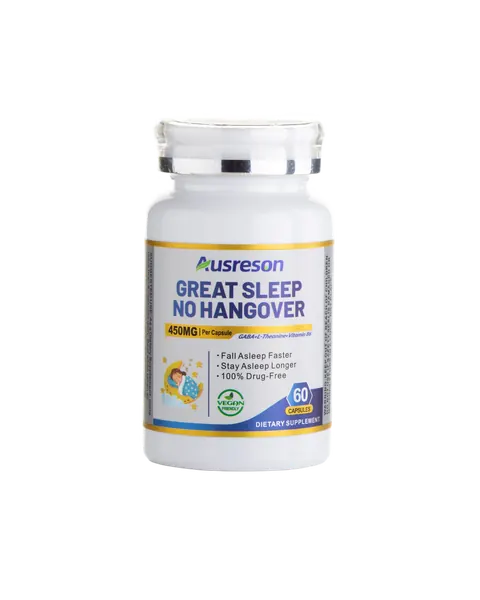
In 2011 the European Food Safety Authority reviewed proposed claims linking L-theanine to cognitive function, psychological stress, normal sleep and menstrual discomfort, and concluded that a cause-and-effect relationship had not been established. That is why there are no authorised health claims for L-theanine in the UK. On labels it appears as L-theanine, sometimes alongside green tea extract or caffeine, with amounts in milligrams (mg).