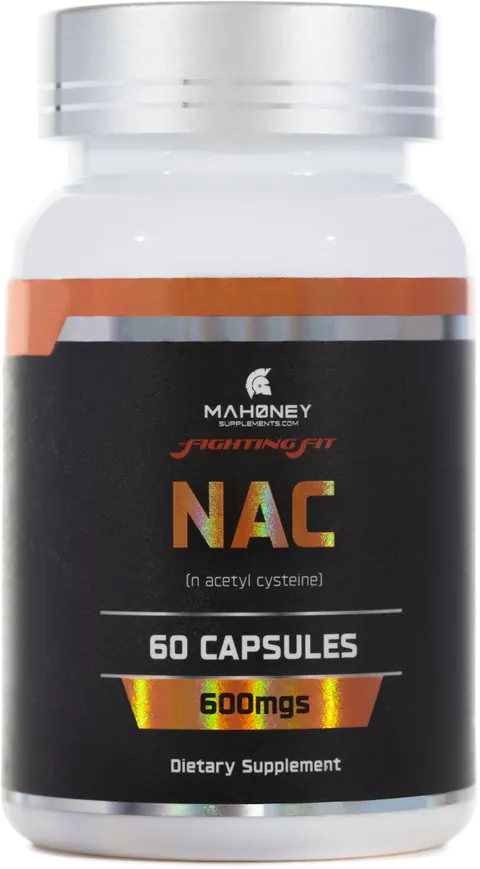
NAC, or N-acetyl cysteine, is a stable, easily absorbed form of cysteine, an amino acid found in protein foods such as poultry, eggs, dairy and legumes. The acetyl group protects the cysteine so more of it survives the trip through the gut.
Cysteine matters because it is the ingredient the body is most often short of when it makes glutathione, its main internal antioxidant. That is why NAC is so often discussed alongside glutathione. NAC itself has a long history in hospital medicine, and in the UK some NAC products are licensed medicines, while others are sold as food supplements.
In supplements you will see it listed as N-acetyl cysteine, N-acetyl-L-cysteine or acetylcysteine, usually in capsules. It has a noticeable sulphur smell, which is normal. Researchers have studied NAC in a wide range of trials, but those studies are about specific situations and do not translate into general promises for healthy people.