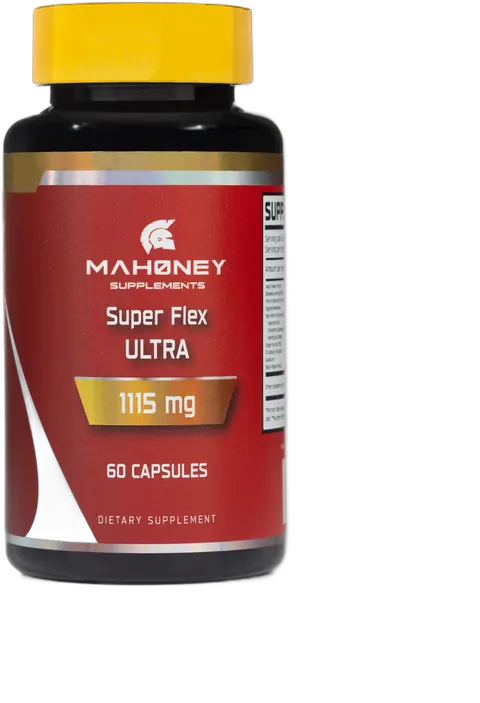
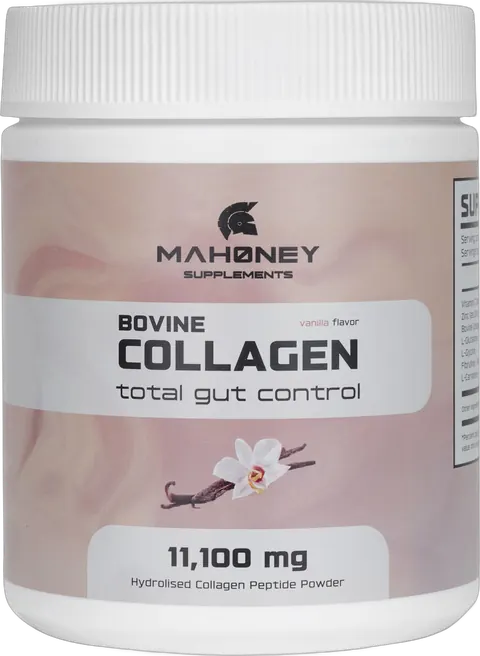
Collagen is the most abundant protein in the body. It forms the scaffolding of skin, tendons, ligaments, cartilage and bone, giving them strength and structure. It is made from a distinctive mix of amino acids, rich in glycine, proline and hydroxyproline, and the body's own production slows as we get older.
Collagen peptides, also called hydrolysed collagen or collagen hydrolysate, are collagen that has been broken down into short chains so it dissolves easily and is readily digested. Supplements are made from animal sources, most commonly bovine (cattle hide), marine (fish skin and scales) or porcine (pig skin). Gelatine and bone broth are traditional food sources of the same protein.
You will find collagen peptides as unflavoured powders that mix into drinks, as well as capsules and ready-to-drink shots, often combined with vitamin C. That pairing makes sense, because vitamin C contributes to normal collagen formation for the normal function of skin, bones and cartilage. Researchers have studied collagen peptides in trials looking at skin and joints, with some encouraging results, though there are no authorised health claims for collagen itself.