Glutathione is a small molecule made from three amino acids: cysteine, glutamic acid and glycine. Every cell makes its own, and it is often called the body's master antioxidant because it helps neutralise free radicals and recycles other antioxidants such as vitamins C and E. The liver holds particularly high levels, where it takes part in the normal processing of compounds.
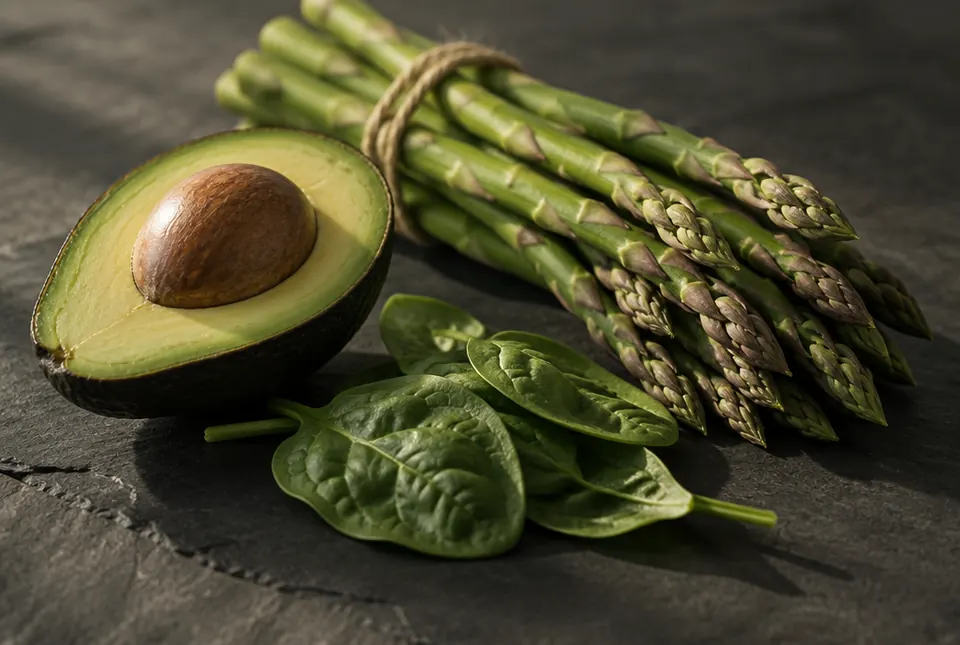
Food contains some glutathione, especially fresh fruit, vegetables and meat, and the body also builds it from the cysteine in protein foods. The challenge with glutathione supplements is that it is a peptide, so a good deal of it can be broken down in the gut before it is absorbed.
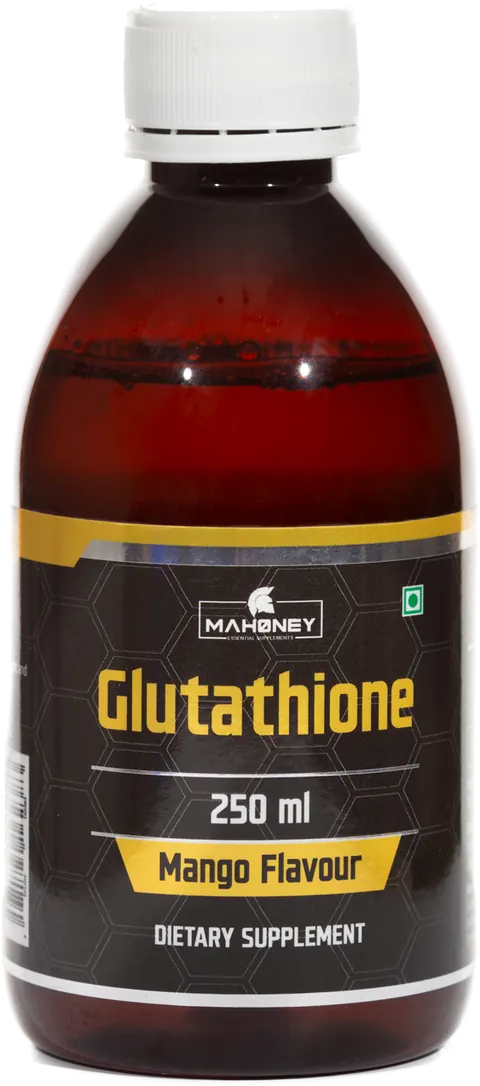
That is why you will see different forms on labels. Reduced glutathione, often written L-glutathione or GSH, is the standard form. Liposomal glutathione wraps the molecule in tiny bubbles of phospholipid, designed to protect it through digestion. Researchers have studied both forms in small trials measuring blood glutathione levels, and the results are encouraging but still early.