Free EU delivery over €200
Nutra Formulations
Herbs and botanicals

Rhodiola rosea

A hardy root that grows in cold, high-altitude regions.

Why it’s used: Traditionally used to support energy and resilience to stress.

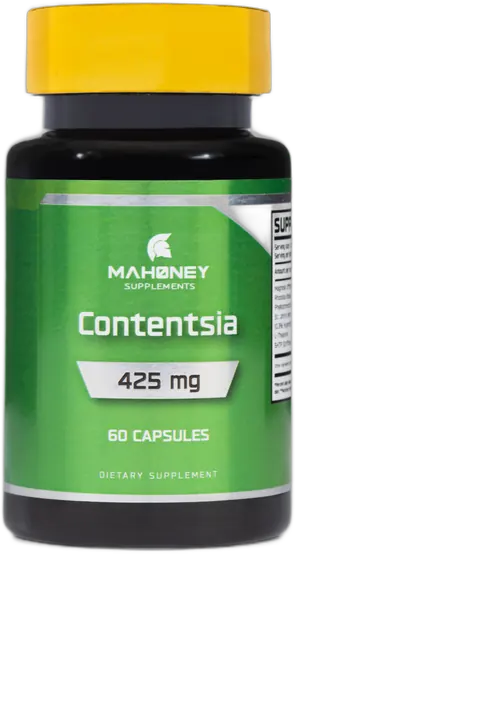
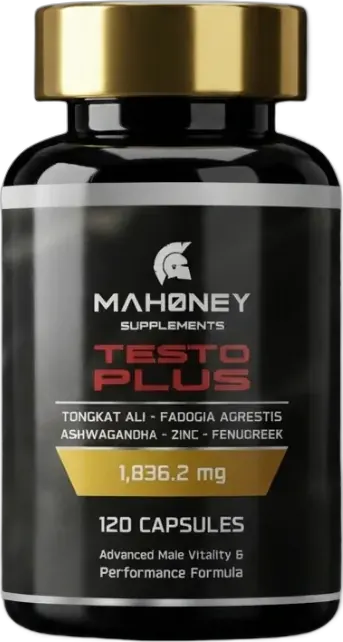
Shop 2 products with rhodiola rosea
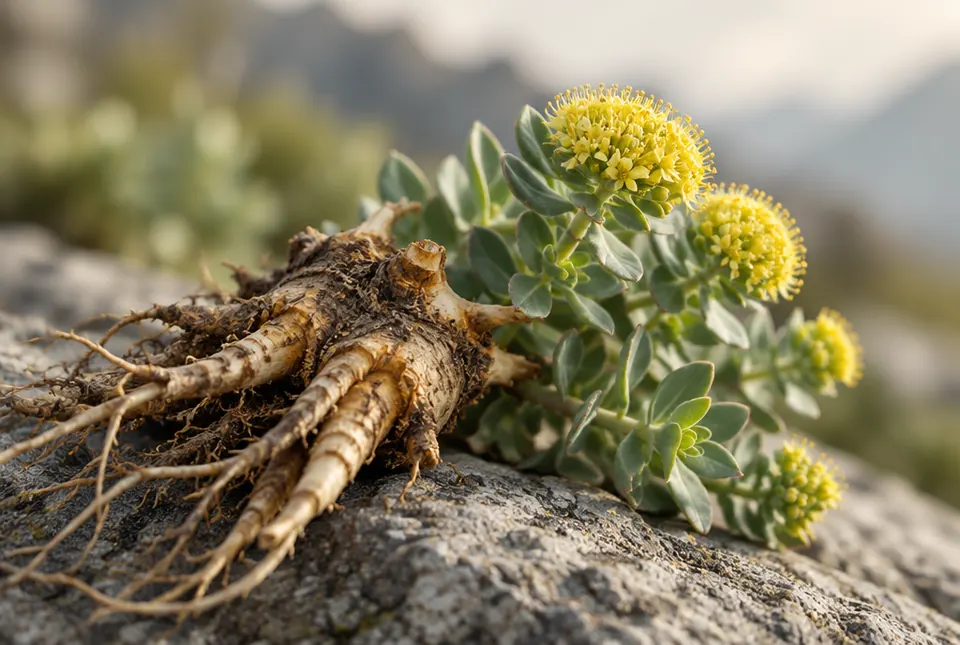
rhodiola root and small yellow flowers on rock
About

What is rhodiola rosea?

Rhodiola rosea is a hardy succulent that grows in cold, high-altitude and Arctic regions of Europe, Asia and North America, including the mountains of Scandinavia and Siberia. It is often called golden root or roseroot, because the cut root gives off a faint rose-like scent.

In Scandinavian, Russian and other northern folk traditions, the root has long been used to help people cope with harsh climates, and it is traditionally used to support energy and resilience to stress. Its compounds of interest are rosavins and salidroside. Researchers have studied rhodiola extracts in small trials looking at fatigue and stress, with mixed results, and as a food supplement ingredient it has no authorised health claim.

On labels you will see rhodiola, Rhodiola rosea root extract or golden root, usually standardised to around 3% rosavins and 1% salidroside, matching the natural ratio in the root. In the UK, some rhodiola products are also licensed as traditional herbal medicines, which are regulated differently from food supplements.

What the research says

Evidence, not anecdote.

3 findings behind this ingredient. Hover a card for the detail and the source.

Meta-analysis2025

Rhodiola rosea improved endurance measures such as VO2max and time to exhaustion, and raised antioxidant capacity.

A meta-analysis of 26 randomised controlled trials with 668 healthy participants found better VO2max, time to exhaustion and time trials, and lower muscle damage markers.

RCT2009

Rhodiola rosea extract reduced burnout scores and improved attention compared with placebo in adults with stress-related fatigue.

60 adults with stress-related fatigue took 576 mg/day SHR-5 extract or placebo for 28 days. Burnout and attention measures improved, and cortisol response to waking changed.

Clinical study2012

Rhodiola rosea extract was linked to clinically relevant improvements in stress symptoms, fatigue and daily functioning.

In an open-label study without a placebo group, 101 adults with life-stress symptoms took 200 mg extract twice daily for 4 weeks. Improvements appeared within 3 days; it was well tolerated.

In our range

Supplements with rhodiola rosea.

Questions

Asked before you buy.

Can't see yours? Ask our team, answered within a working day.

When is the best time to take rhodiola?

Most people take it in the morning or early afternoon. Some report difficulty sleeping if they take it late in the day, and it has traditionally been associated with daytime energy rather than evening calm. Follow the timing on your product label.

What do rosavins and salidroside mean on a label?

They are the main compounds researchers look at in Rhodiola rosea. Extracts are commonly standardised to about 3% rosavins and 1% salidroside. Rosavins are characteristic of Rhodiola rosea, so their presence helps confirm you are getting the right species.

Is rhodiola a herbal medicine or a supplement?

It can be either. In the UK some rhodiola products hold a traditional herbal registration from the MHRA for stress-related symptoms. Others are sold as food supplements, which cannot make medicinal claims. The label will show a THR number if it is registered.

Shop by goal
Often found with
Independent experts

Experts on rhodiola rosea.

Videos from doctors, research scientists and registered dietitians, for general education. They are independent of Nutra Formulations, do not refer to our products and are not medical advice for you.

Rhodiola Rosea: The Adaptogen Science Finally Proved

Dr Scott Resnick, MD · Scott Resnick MD on YouTube

Sources
  1. Rhodiola: Usefulness and Safety · NCCIH, 2024
  2. Traditional Herbal Registrations granted, with indication and quantitative composition · MHRA, 2025

Information only, not medical advice. If you take medication, are pregnant or breastfeeding, speak to your GP or pharmacist first.

Find your protocol

Not sure where to start?

Six quick questions match you to the products in our range that fit your goal, with the reasons why.

Start the assessment