Free EU delivery over €200
Nutra Formulations
Nutrients and compounds

NAD+

Nicotinamide adenine dinucleotide, a coenzyme in every cell. Levels decline with age.

Why it’s used: Essential to energy production and cell repair processes.

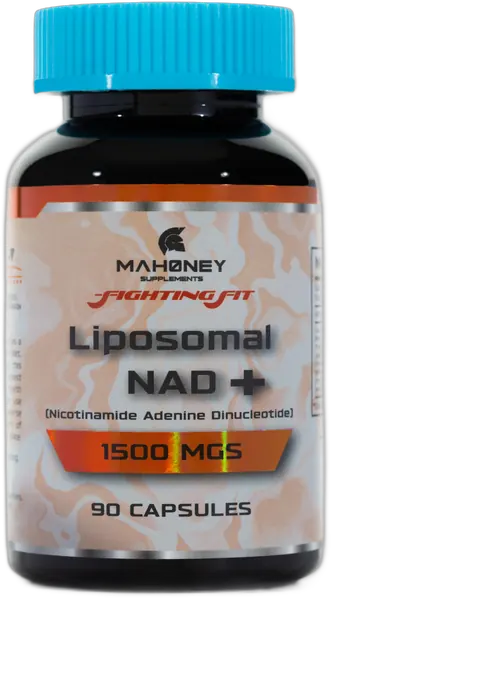
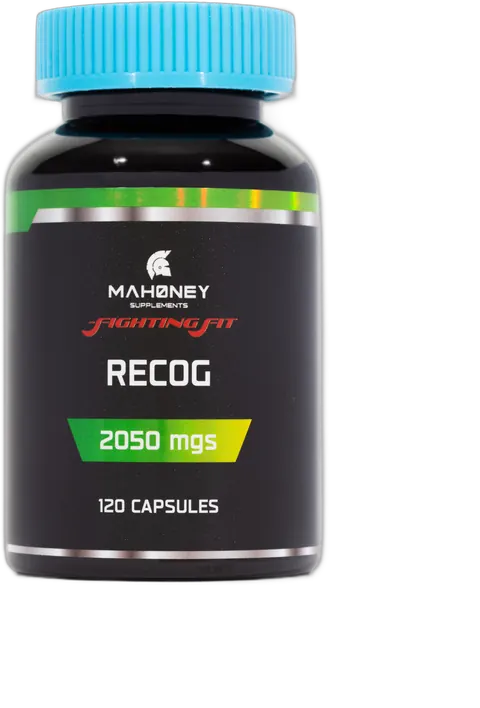
Shop 2 products with nad+
glowing amber droplets in a glass laboratory dish
About

What is nad+?

NAD+, short for nicotinamide adenine dinucleotide, is a coenzyme found in every living cell. It acts like a rechargeable battery, shuttling energy between chemical reactions so that cells can turn food into usable energy. It is also used by enzymes involved in repairing DNA and maintaining cells.

The body makes NAD+ from forms of vitamin B3 (niacin) and from the amino acid tryptophan, so foods such as meat, fish, whole grains, nuts and legumes all feed into it. Research shows that NAD+ levels tend to decline with age, which has made it one of the most studied areas of ageing science.

Supplements take two broad approaches. Some contain NAD+ itself, often in liposomal or sublingual forms intended to protect it during digestion. Others supply precursors, the building blocks the body uses to make NAD+, such as nicotinamide, nicotinamide riboside (NR) or NMN. On labels you may see it written as NAD+, NADH or beta-NAD. Most human research so far has focused on the precursors rather than oral NAD+.

What the research says

Evidence, not anecdote.

3 findings behind this ingredient. Hover a card for the detail and the source.

Systematic review2024

Oral NADH and NAD+ precursors were well tolerated and linked to better quality of life and health measures.

This review of 10 randomised trials with 489 participants covered conditions including chronic fatigue syndrome and older age. Side effects were not serious.

RCT2023

The NAD+ precursor NMN raised blood NAD levels and improved walking distance in healthy middle-aged adults.

80 healthy middle-aged adults took 300, 600 or 900 mg NMN or placebo daily for 60 days. Blood NAD rose in all NMN groups, with no safety issues.

RCT2018

The NAD+ precursor nicotinamide riboside was well tolerated and raised NAD+ metabolism in healthy middle-aged and older adults.

In a randomised, double-blind, placebo-controlled crossover trial with two 6-week periods, nicotinamide riboside effectively stimulated NAD+ metabolism.

In our range

Supplements with nad+.

Questions

Asked before you buy.

Can't see yours? Ask our team, answered within a working day.

What is the difference between NAD+ and NMN?

NAD+ is the active coenzyme your cells use. NMN, nicotinamide mononucleotide, is one step earlier in the chain, a building block the body turns into NAD+. Supplements either supply NAD+ directly or provide precursors like NMN or nicotinamide riboside.

Why do NAD+ levels fall with age?

Researchers think it reflects both slower production and greater use, as enzymes involved in cell repair consume NAD+. Studies have measured lower levels in older tissues, but scientists are still working out what this means for health and whether supplements change it.

Which foods help the body make NAD+?

Foods rich in vitamin B3 and tryptophan, such as chicken, fish, beef, mushrooms, peanuts, whole grains, eggs and dairy. Milk also contains small amounts of nicotinamide riboside. A varied diet with enough protein supplies the raw materials.

Shop by goal
Often found with
Sources
  1. Commission Implementing Regulation (EU) 2020/16 authorising nicotinamide riboside chloride as a novel food · European Commission (EUR-Lex), 2020
  2. Safety of nicotinamide riboside chloride as a novel food · EFSA Journal, 2019

Information only, not medical advice. If you take medication, are pregnant or breastfeeding, speak to your GP or pharmacist first.

Find your protocol

Not sure where to start?

Six quick questions match you to the products in our range that fit your goal, with the reasons why.

Start the assessment