Coenzyme Q10, often shortened to CoQ10, is a fat-soluble compound that the body makes itself and uses inside the mitochondria, the parts of cells that produce energy. Organs that work hardest, such as the heart and muscles, hold the most, and the body's own levels tend to fall with age.
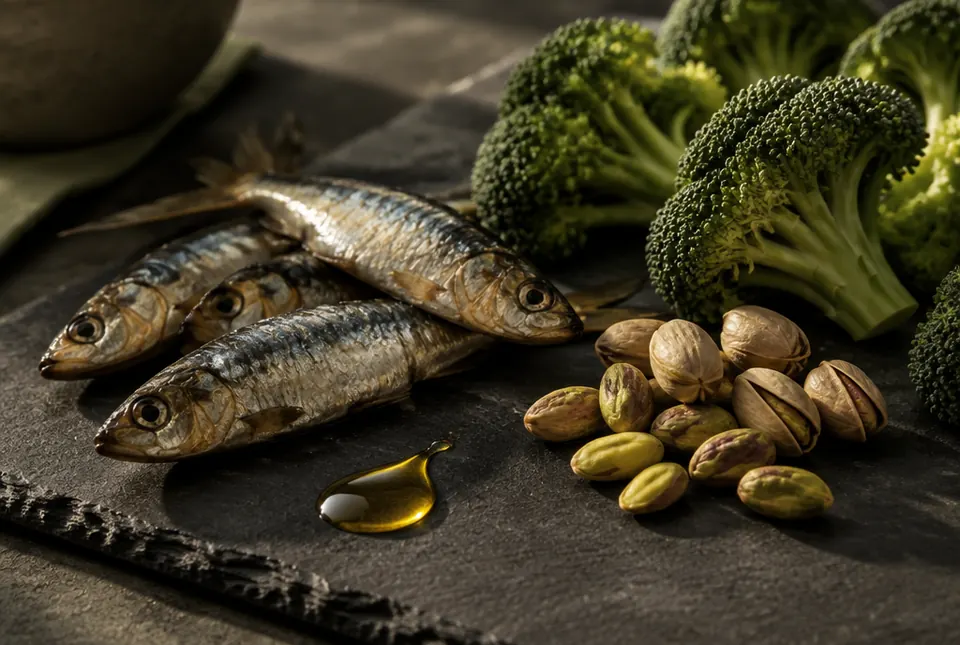
Small amounts come from food, mainly meat, oily fish, organ meats, nuts and some vegetable oils, but everyday diets provide far less than a typical supplement. Some cholesterol-lowering statin medicines also lower the body's CoQ10 levels, which is one reason it is so widely discussed.
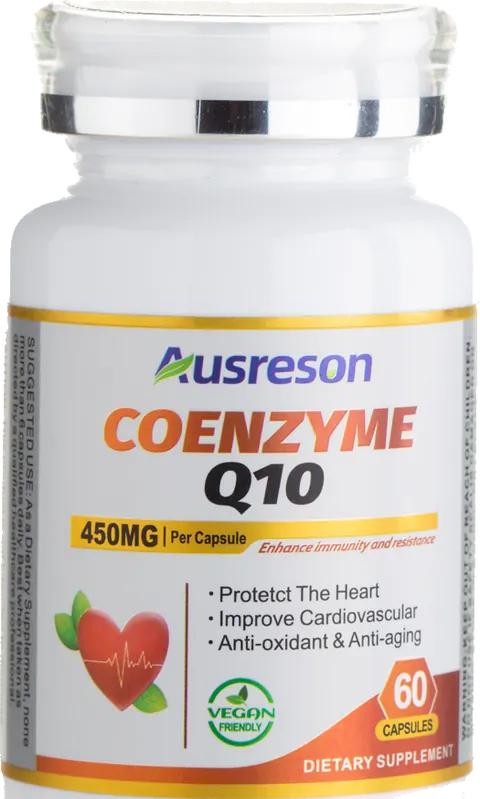
On labels you will see two forms. Ubiquinone is the oxidised form found in most supplements, and ubiquinol is the reduced form. The body converts between the two, and the evidence does not show that one suits everyone better. Because it is fat-soluble, CoQ10 is usually sold in softgels, and it is best taken with a meal that contains some fat.