Best sleep supplements: a natural, evidence-led guide
2 October 2026 · 5 min read

What are the best sleep supplements?
The sleep supplements with the most consistent research behind them are magnesium and L-theanine, although the benefits seen in trials are small and the evidence is still developing.
Other ingredients, such as ashwagandha, lemon balm and hops, have a long history of traditional use for rest and relaxation. None of them is a sleeping pill, and none replaces good sleep habits. Think of a supplement as one part of a calmer evening, not the whole plan.
Start with your sleep habits
Habits come first because the NHS says insomnia usually gets better by changing your sleeping habits.
On average, adults need 7 to 9 hours of sleep a night. The NHS suggests you:
- wake up and get out of bed at the same time every day
- relax for at least an hour before bed, for example with a bath or a book
- keep your bedroom dark and quiet, using blinds, an eye mask or ear plugs if needed
- exercise regularly during the day, but not in the 4 hours before bed
- avoid alcohol, tea and coffee for at least 6 hours before bed
- avoid screens right before bed, because the blue light makes you more awake
- skip daytime naps, and do not sleep in after a bad night
If poor sleep keeps affecting your daily life, talk to your GP.
Magnesium
Magnesium has some trial evidence for helping people fall asleep a little faster, but the quality of that evidence is low.
A 2021 review pooled three randomised trials in 151 older adults with insomnia. People taking magnesium fell asleep about 17 minutes sooner than those taking a placebo. Total sleep time rose by about 16 minutes, but that difference was not statistically significant, and the authors rated the evidence as low to very low quality.
What can be said with confidence is the authorised claim: magnesium contributes to the reduction of tiredness and fatigue, normal psychological function and normal muscle function.
L-theanine
L-theanine, the amino acid that gives green tea its calm character, has small but encouraging research for sleep quality.
A 2025 meta-analysis in Sleep Medicine Reviews pooled 18 trials. It found small improvements in how quickly people felt they fell asleep, how they functioned the next day and their overall sleep quality scores. The researchers noted that few studies tested L-theanine on its own, so more work is needed on the right dose and duration.
You can read more on our L-theanine page.
Ashwagandha
Ashwagandha is traditionally used to help the body adapt to stress and to support calm and restful sleep.
It is one of the better-studied herbs for stress, but it is not suitable for everyone. The US National Center for Complementary and Integrative Health (NCCIH) says it should be avoided in pregnancy, that rare cases of liver injury have been linked to ashwagandha supplements, and that it is not recommended for people with thyroid conditions.
Other ingredients you will see on labels
Many sleep blends combine several ingredients, each with a different role or tradition.
- GABA plays a role in calming signals in the nervous system.
- L-tryptophan is the amino acid the body uses to make serotonin and melatonin.
- Vitamin B6 contributes to the regulation of hormonal activity and the reduction of tiredness and fatigue.
- Lemon balm and hops are traditionally used to support relaxation and restful sleep.
- Magnolia is traditionally used to support relaxation.
Ingredients compared
This table sums up what the research says and who should take extra care.
| Ingredient | What the evidence says | Take care if |
|---|---|---|
| Magnesium | Review of 3 small trials: fell asleep about 17 minutes sooner; low-quality evidence | You have kidney problems or take regular medicines |
| L-theanine | Meta-analysis of 18 trials: small improvements in self-reported sleep | You take other medicines or are pregnant |
| Ashwagandha | Traditionally used for calm and restful sleep | You are pregnant, or have liver or thyroid problems |
| Melatonin | A prescription medicine in the UK, not a supplement | Only take it if prescribed |
| St John's wort | Traditionally used for mood | You take the contraceptive pill, antidepressants or other medicines |
What about melatonin?
Melatonin is prescription-only in the UK, so you cannot buy it as a food supplement here.
The NHS says melatonin is mainly used for short-term sleep problems in people aged 55 and over, and specialists sometimes prescribe it for longer-term problems. The NHS also advises against taking herbal remedies that affect sleep at the same time as melatonin, because this may make you very drowsy. If you think melatonin might help you, speak to your GP.
A warning about St John's wort
St John's wort appears in some mood and sleep blends, and it interacts with many common medicines.
The NHS warns that St John's wort can stop the contraceptive pill working properly and can cause serious problems if taken with antidepressants. NCCIH adds that combining it with certain antidepressants can cause potentially serious side effects linked to serotonin. Do not take any product containing St John's wort if you use the pill, antidepressants or other prescribed medicines unless your GP or pharmacist has said it is safe.
Who should take care
Most people can try a sleep supplement safely, but some should check first.
- If you are pregnant or breastfeeding, speak to your GP or midwife before taking any supplement.
- If you take sleeping tablets, antidepressants, the contraceptive pill or other regular medicines, ask your pharmacist about interactions.
- If you have a liver, kidney or thyroid condition, check with your GP.
- Do not drive or operate machinery if a product makes you drowsy.
- If your sleep does not improve, or you snore heavily and wake unrefreshed, see your GP rather than adding more supplements.
Finding a sleep supplement that suits you
If your habits are in place and you want some extra support, our sleep collection brings the options together in one place.
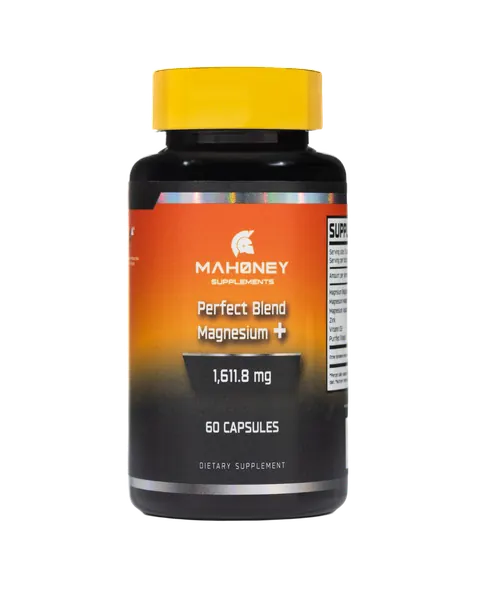
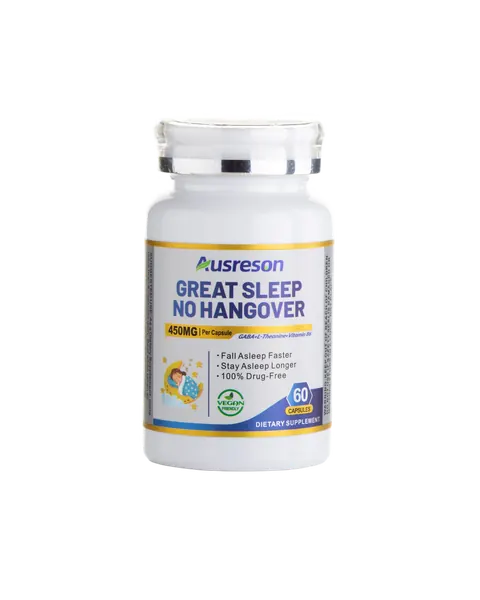
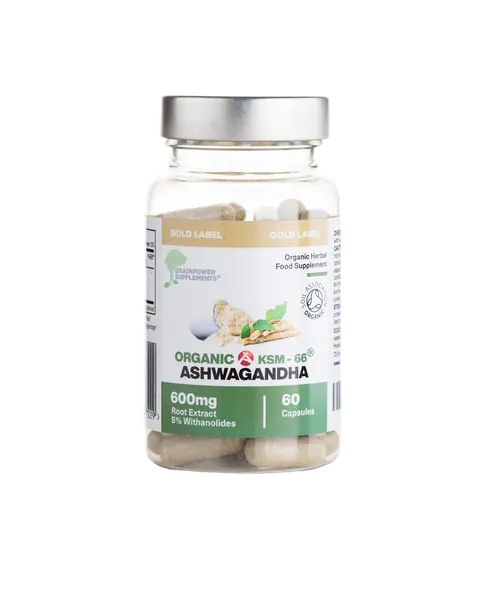
Perfect Blend Magnesium + combines three forms of magnesium with zinc and vitamin D3. Great Sleep No Hangover pairs GABA, L-theanine and L-tryptophan with magnesium and vitamin B6. Organic KSM-66 Ashwagandha is a single-herb option for evenings that feel busy. Start with one product, give it a few weeks alongside steady sleep habits, and check the label for anything that may not suit you.
- Insomnia · NHS, accessed 2026
- About melatonin · NHS, 2023
- Oral magnesium supplementation for insomnia in older adults: a Systematic Review & Meta-Analysis · BMC Complementary Medicine and Therapies (Mah and Pitre), 2021
- The effects of L-theanine consumption on sleep outcomes: A systematic review and meta-analysis · Sleep Medicine Reviews (Bulman et al.), 2025
- Ashwagandha: Usefulness and Safety · NCCIH (NIH), accessed 2026
- Depression in adults: treatment (St John's wort) · NHS, accessed 2026