Which magnesium is best for sleep?
2 October 2026 · 4 min read

The short answer
Magnesium glycinate (bisglycinate) is the form with the most relevant sleep research, and it is usually gentle on digestion, which makes it a sensible first choice for an evening routine.
That said, the evidence for magnesium and sleep is real but modest. It seems to help most in people whose diets are low in magnesium, and it is not a replacement for good sleep habits or for seeing your GP about ongoing insomnia.
Why is magnesium linked to sleep?
Magnesium is linked to sleep because it plays a part in how the nervous system works.
Under GB law, the authorised claims for magnesium include that it contributes to normal functioning of the nervous system, normal psychological function and the reduction of tiredness and fatigue. Those roles explain why so many people reach for magnesium in the evening. They do not mean it is a sleeping aid in the medical sense.
Magnesium is found in leafy greens, nuts, seeds and wholegrains. If your diet is light on these foods, you may be the person most likely to notice a difference from a supplement.
What does the research say about magnesium and sleep?
The research points to a small benefit, with low-certainty evidence and lots of variation between studies.
The 2025 bisglycinate trial
The most relevant recent study is a randomised, placebo-controlled trial published in 2025. It enrolled 155 adults aged 18 to 65 who reported poor sleep. Half took 250 mg of elemental magnesium as bisglycinate each day; the rest took a placebo.
- After four weeks, insomnia scores fell by 3.9 points with magnesium and 2.3 points with placebo.
- The difference was statistically significant, but the effect size was small.
- People with a lower dietary magnesium intake appeared to improve the most.
- There were no significant differences in other psychological measures.
Reviews of older studies
A 2021 meta-analysis pooled three randomised trials in 151 older adults. People taking magnesium fell asleep about 17 minutes faster than those on placebo, but the authors rated the evidence as low to very low certainty because the trials were small and at risk of bias.
A 2024 systematic review looked at eight sleep studies. Five reported an improvement in at least one sleep measure, two found no improvement and one had mixed results. Most studies used magnesium oxide, and side effects were generally mild, with loose stools the most common.
Which form of magnesium is best for sleep?
Glycinate is the best-supported choice for sleep right now, mainly because it is the form tested in the largest recent sleep trial.
| Form | Sleep evidence | Things to know |
|---|---|---|
| Glycinate (bisglycinate) | Used in a 2025 trial of 155 adults with poor sleep | Usually gentle on digestion; bound to the amino acid glycine |
| Citrate | Little direct sleep research | More likely to loosen stools at higher amounts |
| Oxide | Used in most older sleep studies | Widely available and inexpensive |
| Malate | Little direct sleep research | Often used in blends alongside glycinate |
How much magnesium should you take for sleep?
Stay within the NHS guide of 400 mg a day or less from supplements, and remember food counts towards your total.
The NHS puts daily needs at 300 mg for men and 270 mg for women aged 19 to 64. The 2025 trial used 250 mg of elemental magnesium a day, which sits within that guide.
Check the label for elemental magnesium rather than the weight of the whole compound, as these are not the same thing.
When should you take magnesium for sleep?
Many people take magnesium in the evening as part of a wind-down routine, although trials have not shown that timing changes the effect.
What matters more is taking it consistently. The trials above ran for weeks, not nights, so give any change at least a few weeks before deciding whether it suits you.
What else helps you sleep?
Good sleep habits make the biggest difference, and the NHS recommends them before anything else.
The NHS advice on insomnia includes:
- going to bed only when you feel sleepy and getting up at the same time every day
- winding down for at least an hour before bed
- keeping your bedroom dark and quiet
- exercising during the day, but not in the four hours before bed
- avoiding alcohol, tea and coffee within six hours of bedtime
- avoiding screens just before bed and daytime naps
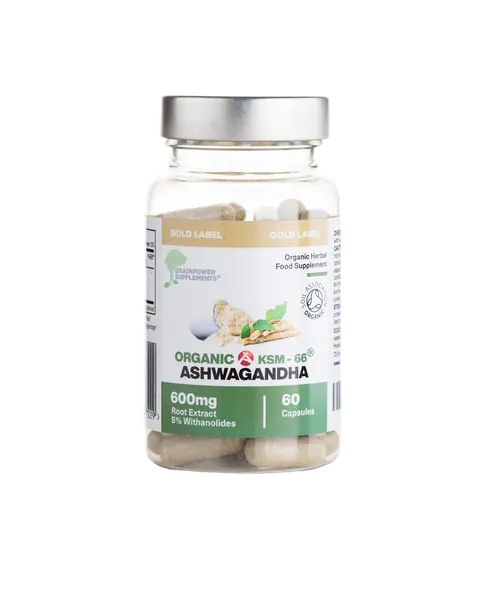
Some people also look at nutrients that work alongside magnesium. L-theanine is an amino acid from tea leaves, GABA plays a role in calming signals in the nervous system, and vitamin B6 contributes to normal psychological function. Ashwagandha is traditionally used to support calm and restful sleep.
When should you see a GP?
See your GP if poor sleep has lasted for months, is making daily life hard, or has not improved after changing your habits.
Speak to your GP or pharmacist before taking magnesium if you have kidney problems, take bisphosphonates, some antibiotics, diuretics or long-term proton pump inhibitors, or are pregnant or breastfeeding. Magnesium can affect how some of these medicines are absorbed, and reduced kidney function makes it harder to clear excess magnesium.
Our approach
If you want a magnesium for the evening, start with a well-absorbed form that leads with bisglycinate.
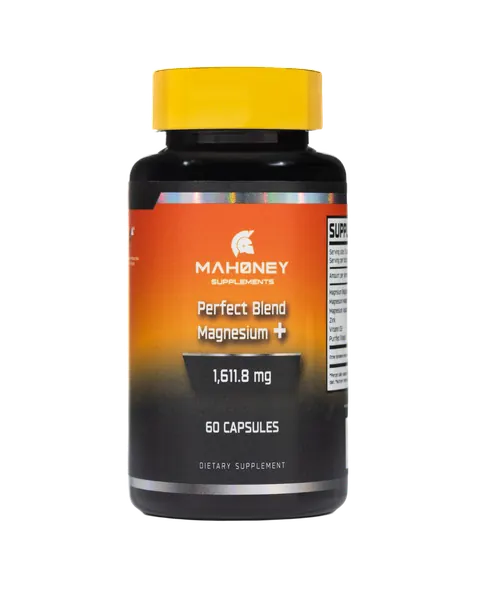
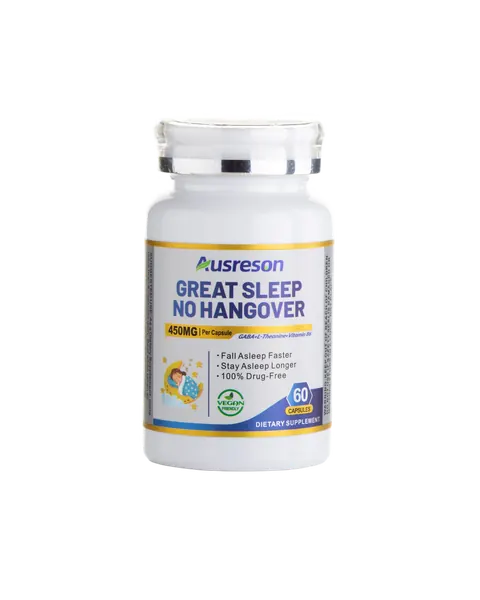
Perfect Blend Magnesium combines magnesium bisglycinate, malate and aspartate with zinc, vitamin D3 and purified shilajit. If you would like a dedicated night-time formula, Great Sleep pairs a magnesium amino acid chelate with GABA, L-theanine, L-tryptophan and vitamin B6. Browse the full sleep collection to compare.
- Magnesium Bisglycinate Supplementation in Healthy Adults Reporting Poor Sleep: A Randomized, Placebo-Controlled Trial · Nature and Science of Sleep (Schuster et al.), 2025
- Oral magnesium supplementation for insomnia in older adults: a Systematic Review & Meta-Analysis · BMC Complementary Medicine and Therapies (Mah and Pitre), 2021
- Examining the Effects of Supplemental Magnesium on Self-Reported Anxiety and Sleep Quality: A Systematic Review · Cureus (Rawji et al.), 2024
- Insomnia · NHS, 2024
- Vitamins and minerals: Others (magnesium) · NHS, 2023
- About melatonin · NHS, 2023