Trimethylglycine, usually shortened to TMG and also called betaine, is a small compound made from the amino acid glycine with three methyl groups attached. Those methyl groups are what make it useful: the body hands them on in methylation, a basic chemical process that happens in every cell.
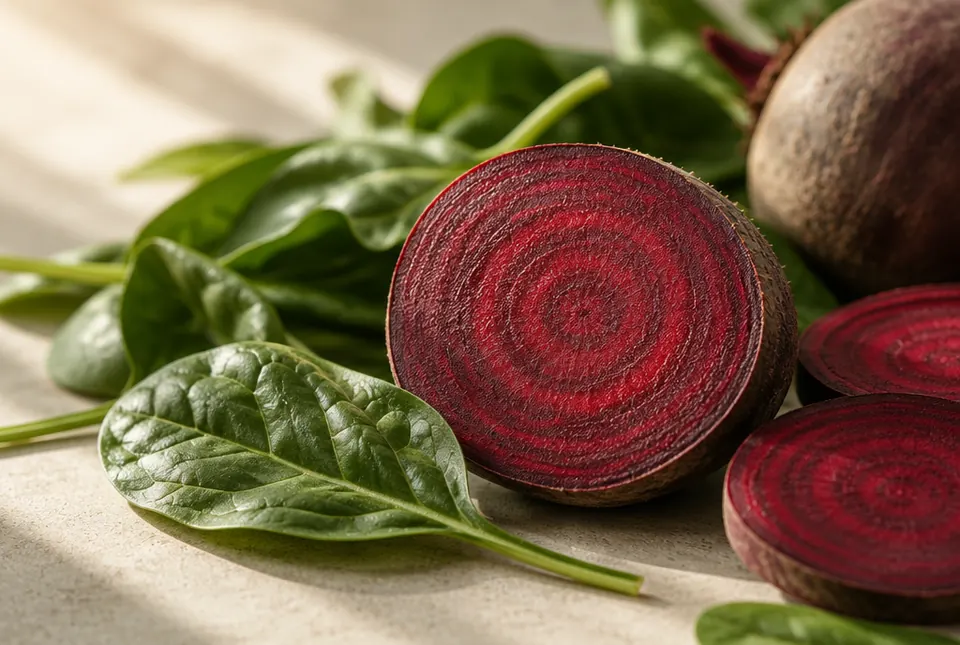
Betaine was first identified in sugar beet, which is where its name comes from, and beet remains a major commercial source. In everyday food you get it from wheat bran and other whole grains, spinach, beetroot, quinoa and shellfish. Your body can also make some of its own from choline.
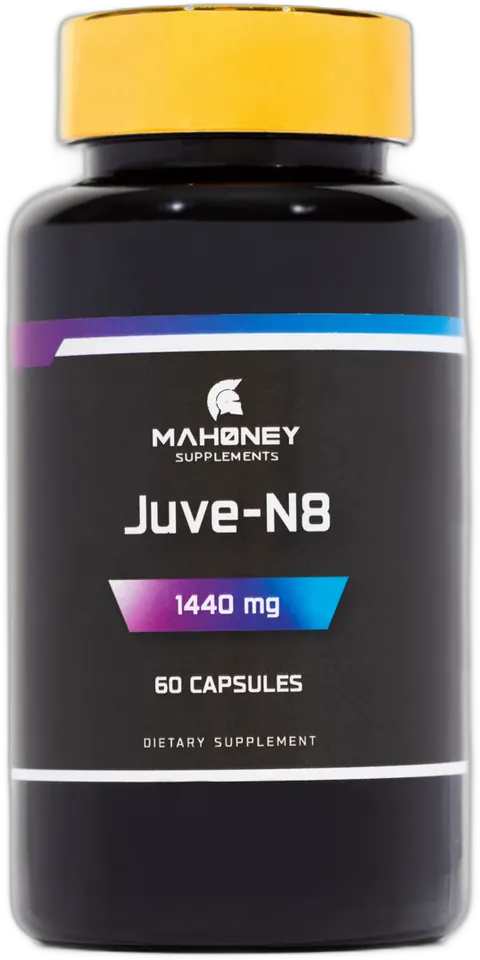
On supplement labels you may see it as betaine, betaine anhydrous or trimethylglycine. It comes as capsules or powder and often appears alongside B vitamins such as folate and B12, which work in the same methylation pathway. Do not confuse TMG with betaine HCl, a different form sold for digestion. The two are easy to mix up on a crowded shelf.