Fisetin is a flavonoid, one of the large family of plant compounds that give fruit and vegetables their colour and help protect plants from stress. It is a flavonoid antioxidant, closely related in structure to quercetin, and is studied for its role in healthy ageing.
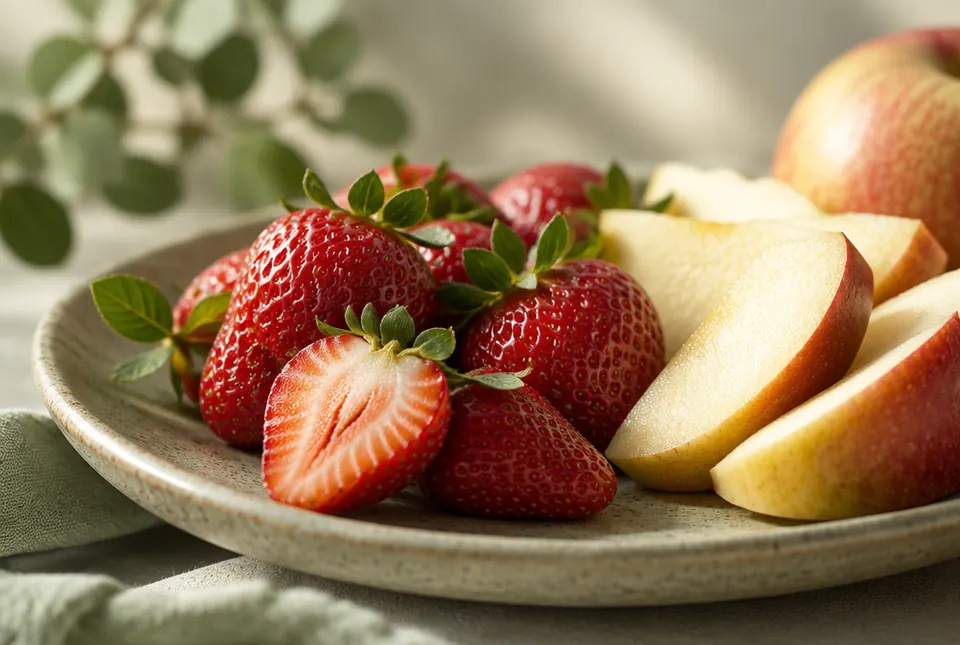
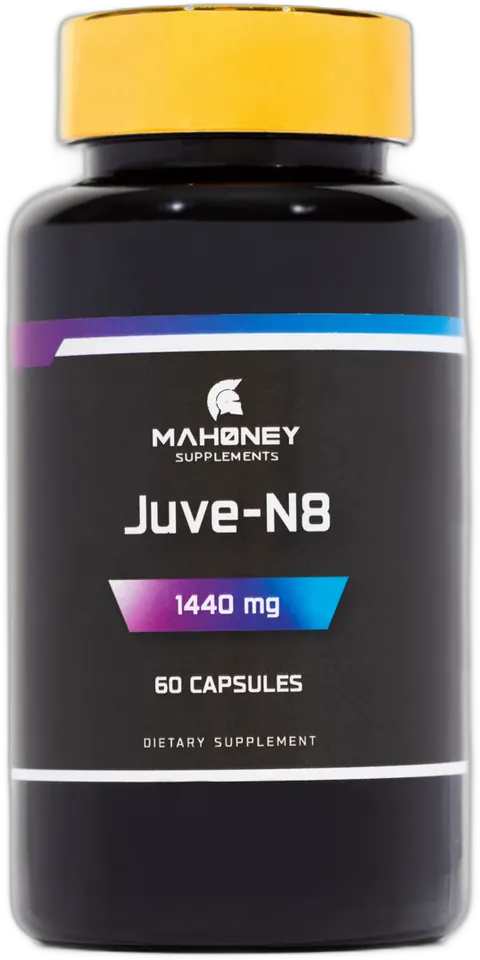
Strawberries are the richest common food source, with around 160 micrograms per gram of fresh fruit. Apples, persimmons, grapes and onions contain smaller amounts, and cucumber is often listed too. Even a generous bowl of strawberries supplies a few milligrams, far below the amounts used in research. Supplements are plant extracts concentrated to provide far more fisetin than food, usually in capsules.
Fisetin attracted interest after a 2018 study in mice found it reduced markers of senescent cells, older cells that stop dividing but linger in tissues. These are animal findings, and they do not show the same happens in people. Human trials are now testing fisetin in older adults under medical supervision, and their results will tell us much more.