Free UK delivery over £200
Nutra Formulations
Herbs and botanicals

Sage

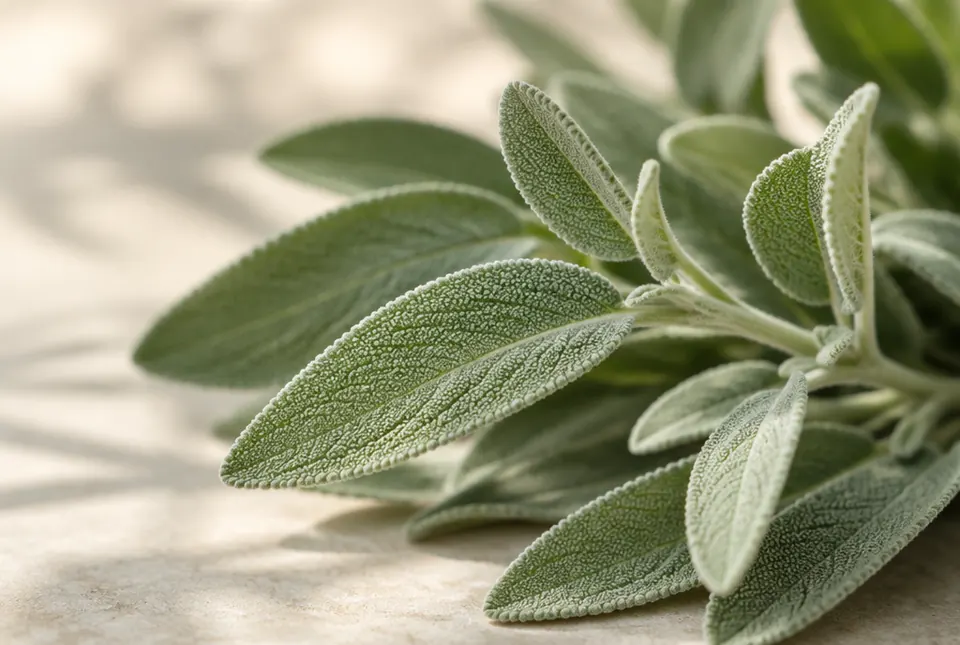
Leaves of the common garden sage.

Why it’s used: Traditionally used to help with hot flushes during the menopause.

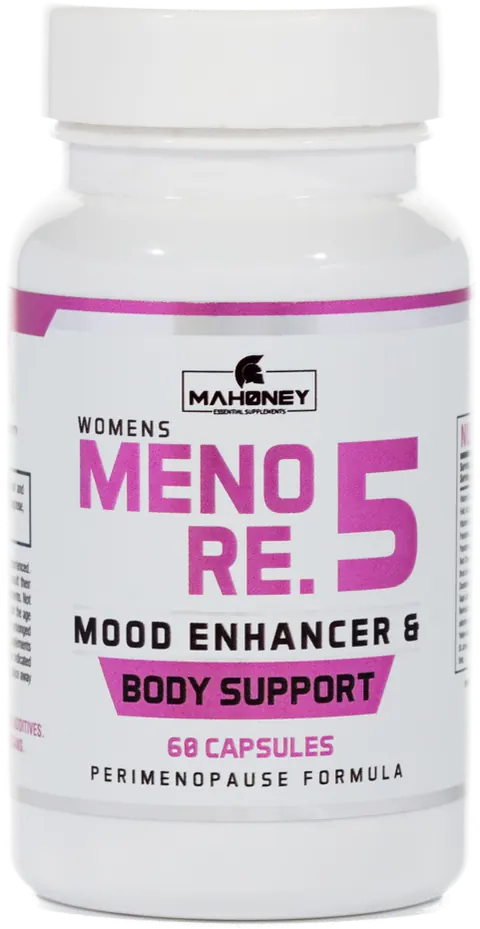
Shop 1 product with sage
fresh silver-green sage leaves
About

What is sage?

Sage (Salvia officinalis) is the soft, grey-green herb many of us know from stuffing and roast dinners. A native of the Mediterranean, it has been grown in British kitchen gardens for centuries, and its Latin name comes from salvere, to be well, a hint at how highly it was regarded in early herbal practice.

Beyond the kitchen, sage leaf has a long history in European herbal tradition. It is traditionally used to help with hot flushes and excessive sweating during the menopause, and the European Medicines Agency recognises sage leaf preparations as traditional herbal products for this purpose. In supplements you will see it listed as sage leaf, sage leaf powder or sage leaf extract, sometimes made from fresh leaves, either on its own or in menopause blends with red clover, soy isoflavones or black cohosh.

Researchers have studied sage in small trials with women going through the menopause, and a meta-analysis of four studies reported fewer hot flushes compared with placebo. Sage naturally contains thujone, a compound that is harmful in large amounts, which is why good-quality extracts control or remove it and why concentrated sage essential oil is not suitable for taking by mouth.

What the research says

Evidence, not anecdote.

3 findings behind this ingredient. Hover a card for the detail and the source.

RCT2021

Fresh sage extract tablets reduced menopausal symptom scores by 39% and hot flush severity by 55% over four weeks.

Double-blind, randomised, placebo-controlled trial of 80 menopausal women aged 48–65 taking fresh sage extract tablets for 4 weeks. Menopause Rating Scale scores fell significantly versus placebo, and sleep quality and fatigue also improved.

RCT2020

Sage extract taken three times daily for three months reduced flushing, palpitations and sleep problems versus placebo in postmenopausal women.

Double-blind randomised controlled trial of 66 postmenopausal women taking three 100 mg sage extract tablets a day or placebo for 3 months. Flushing, palpitations, sleep, joint ache, depression and anxiety scores fell more than with placebo.

Clinical study2011

A once-daily fresh sage tablet reduced hot flush intensity scores by 64% over eight weeks in menopausal women.

Open multicentre trial without placebo in 71 menopausal women with at least five flushes a day. Intensity-rated hot flush scores fell by 50% within 4 weeks and 64% within 8 weeks, and the tablet was very well tolerated.

In our range

Supplements with sage.

Questions

Asked before you buy.

Can't see yours? Ask our team, answered within a working day.

Does sage help with hot flushes?

Sage is traditionally used to help with hot flushes and excessive sweating during the menopause. Small trials have reported fewer hot flushes than placebo, and EU regulators recognise this traditional use, but larger studies are still needed.

What is thujone in sage?

Thujone is a natural compound in sage, especially in its essential oil. In large amounts it can affect the nervous system, so the EU herbal monograph limits it to 6 mg a day from a product. Many sage extracts are prepared to keep thujone very low.

Is cooking with sage the same as taking a sage supplement?

Not really. The amounts used in cooking are small and considered safe for most people. Supplements provide a more concentrated dose, which is why pregnancy, epilepsy and medicine cautions apply to them rather than to a sprinkle of sage on your dinner.

Shop by goal
Often found with
Sources
  1. Assessment report on Salvia officinalis L., folium and Salvia officinalis L., aetheroleum · European Medicines Agency (HMPC), 2015
  2. The Different Phytochemical Profiles of Salvia officinalis Dietary Supplements Labelled for Menopause Symptoms · Molecules (PubMed Central), 2023
  3. Sage - Salvia officinalis (oral) monograph · Health Canada, 2025

Information only, not medical advice. If you take medication, are pregnant or breastfeeding, speak to your GP or pharmacist first.

Find your protocol

Not sure where to start?

Six quick questions match you to the products in our range that fit your goal, with the reasons why.

Start the assessment