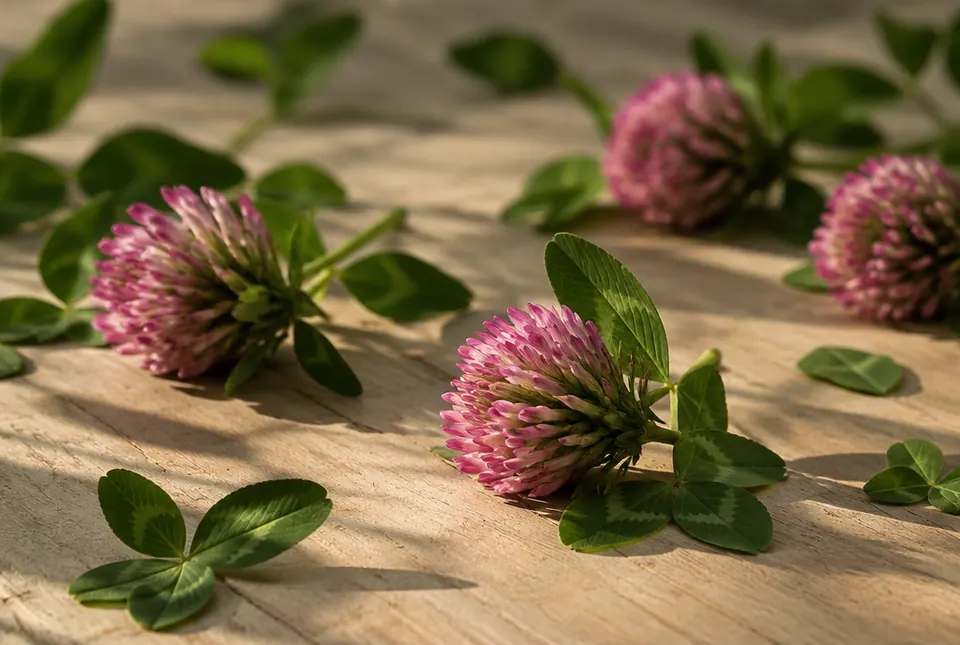
Red clover (Trifolium pratense) is the pink-purple meadow flower you will spot in British fields and verges through the summer. It belongs to the pea family and has long been grown as fodder for livestock, while its flower heads have a place in traditional herbal teas.
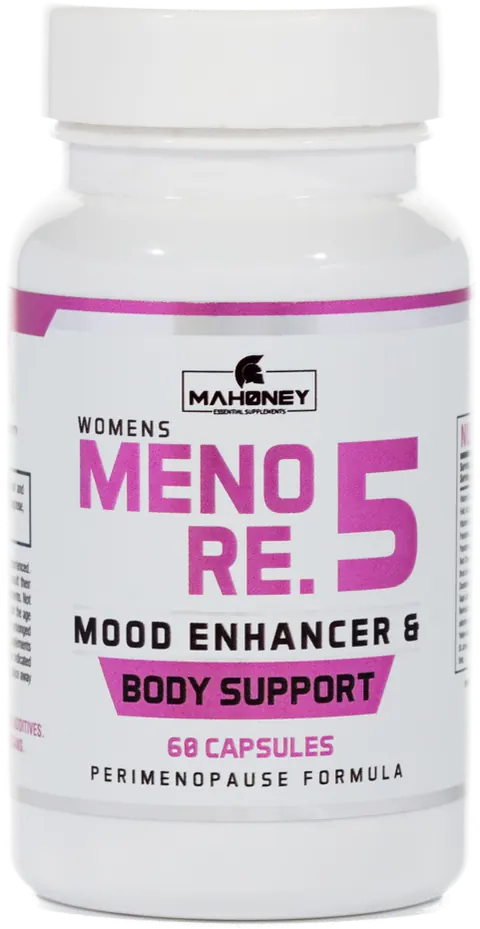
What interests supplement makers is its isoflavones, plant compounds with a structure similar to oestrogen. The main ones are biochanin A, formononetin, genistein and daidzein. On a label you will usually see red clover extract, often with the isoflavone content stated in milligrams, either on its own or blended with soy isoflavones, sage or black cohosh.
Red clover is traditionally used to support women through the menopause. Researchers have studied red clover extracts in a range of trials looking at hot flushes, cholesterol and bone density in women after the menopause. The results have been inconsistent so far, and some studies were small or not high in quality, so it is fair to say the research is still developing.