Free UK delivery over £200
Nutra Formulations
Herbs and botanicals

Black cohosh

Root of a North American woodland plant.

Why it’s used: Traditionally used to support women through the menopause.

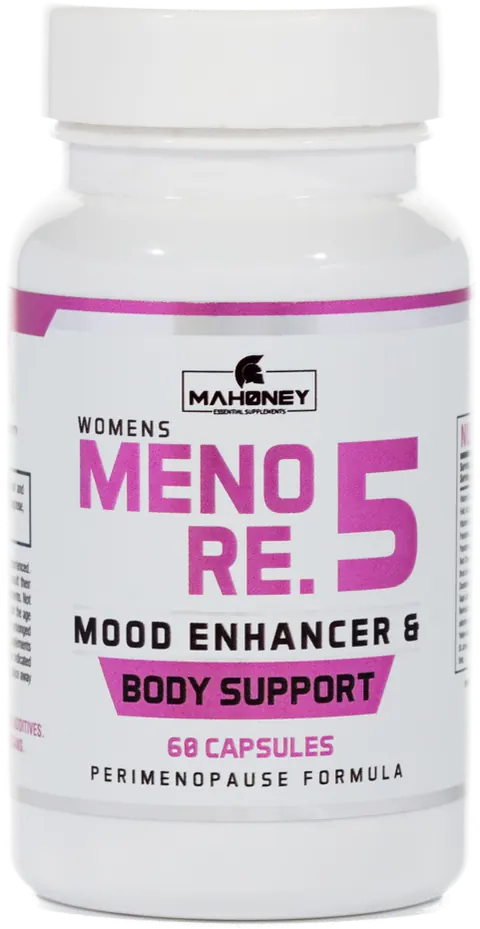
Shop 1 product with black cohosh
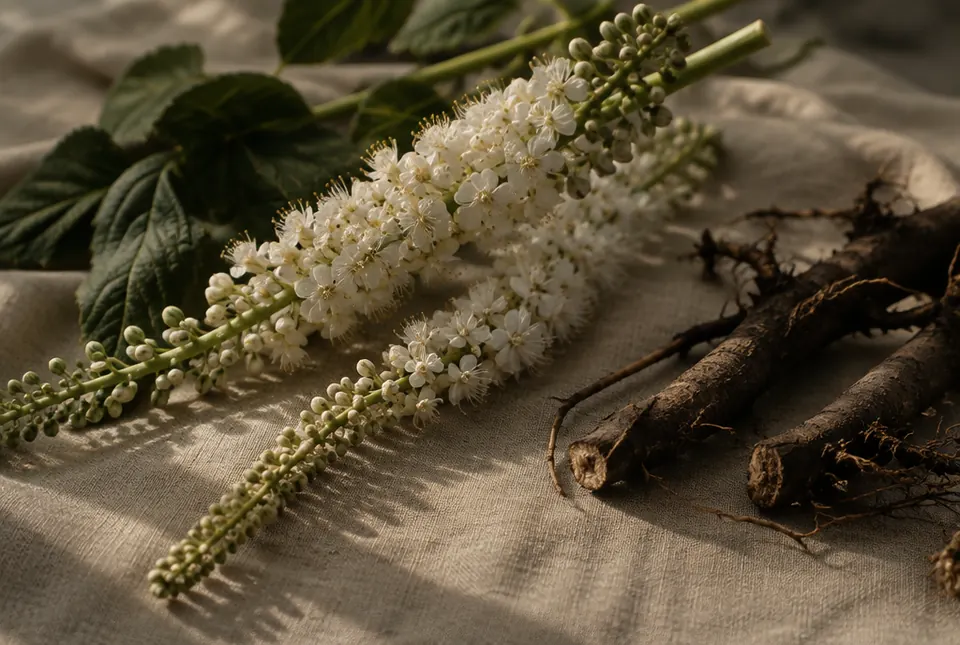
black cohosh flowers and roots
About

What is black cohosh?

Black cohosh (Actaea racemosa, formerly Cimicifuga racemosa) is a tall flowering plant that grows in the woodlands of eastern North America. It is the root and rhizome, the underground stem, that is dried and used. Native American communities used it long before it arrived in European herbal practice, and today it is one of the most familiar herbs on menopause shelves.

In supplements you will usually see it listed as black cohosh root extract, sometimes standardised to triterpene glycosides, the group of compounds researchers have focused on. It appears on its own in capsules and tablets, and alongside other botanicals such as red clover, sage or soy isoflavones in blends designed for women in midlife.

Black cohosh is traditionally used to support women through the menopause. Researchers have studied it in a number of trials, and a 2023 review of 22 studies noted possible benefits for overall menopause symptoms, though results across the wider research have been mixed. It is worth knowing that black cohosh is a different plant from blue cohosh, which has a separate and less reassuring safety profile.

What the research says

Evidence, not anecdote.

3 findings behind this ingredient. Hover a card for the detail and the source.

Meta-analysis2023

Black cohosh extracts improved overall menopausal symptoms and hot flushes compared with placebo across 22 studies in menopausal women.

Meta-analysis of randomised controlled trials covering 2,310 menopausal women. Black cohosh improved overall symptoms (Hedges' g 0.575), hot flushes and somatic symptoms versus placebo, with dropout rates similar to placebo; anxiety and depressive symptoms did not change significantly.

Meta-analysis2021

An isopropanolic black cohosh extract eased menopausal symptoms more than placebo and was well tolerated, with no sign of liver harm.

Review and meta-analysis of 35 clinical studies and one meta-analysis covering 43,759 women, 13,096 of whom took the extract. It outperformed placebo (SMD -0.694) and was comparable to low-dose transdermal oestradiol or tibolone.

Meta-analysis2010

Preparations containing black cohosh reduced menopausal vasomotor symptoms by 26% overall compared with placebo in a pooled analysis.

Meta-analysis of nine randomised placebo-controlled trials, seven pooled for vasomotor symptoms. Six trials showed a significant benefit, and the pooled improvement was 26% (95% CI 11–40%), with significant heterogeneity between trials.

In our range

Supplements with black cohosh.

Questions

Asked before you buy.

Can't see yours? Ask our team, answered within a working day.

Is black cohosh the same as blue cohosh?

No. They are different plants. Black cohosh (Actaea racemosa) is the one used in menopause supplements. Blue cohosh (Caulophyllum thalictroides) has been linked to side effects such as raised blood pressure and should not be confused with it.

How long can you take black cohosh for?

Research studies have used black cohosh for up to 12 months without serious side effects. If you plan to take it longer, or you have any health conditions, it is sensible to talk it through with your GP or pharmacist.

Is black cohosh safe for your liver?

Most people tolerate it well, but rare cases of liver damage have been reported in people taking black cohosh products. It is not certain the herb was the cause. Avoid it if you have liver problems, and stop and seek advice if you notice dark urine or yellowing skin.

Shop by goal
Often found with
Sources
  1. Black Cohosh: Usefulness and Safety · National Center for Complementary and Integrative Health (NIH), 2023
  2. Menopausal Symptoms and Complementary Health Approaches: What the Science Says · National Center for Complementary and Integrative Health (NIH), 2017

Information only, not medical advice. If you take medication, are pregnant or breastfeeding, speak to your GP or pharmacist first.

Find your protocol

Not sure where to start?

Six quick questions match you to the products in our range that fit your goal, with the reasons why.

Start the assessment