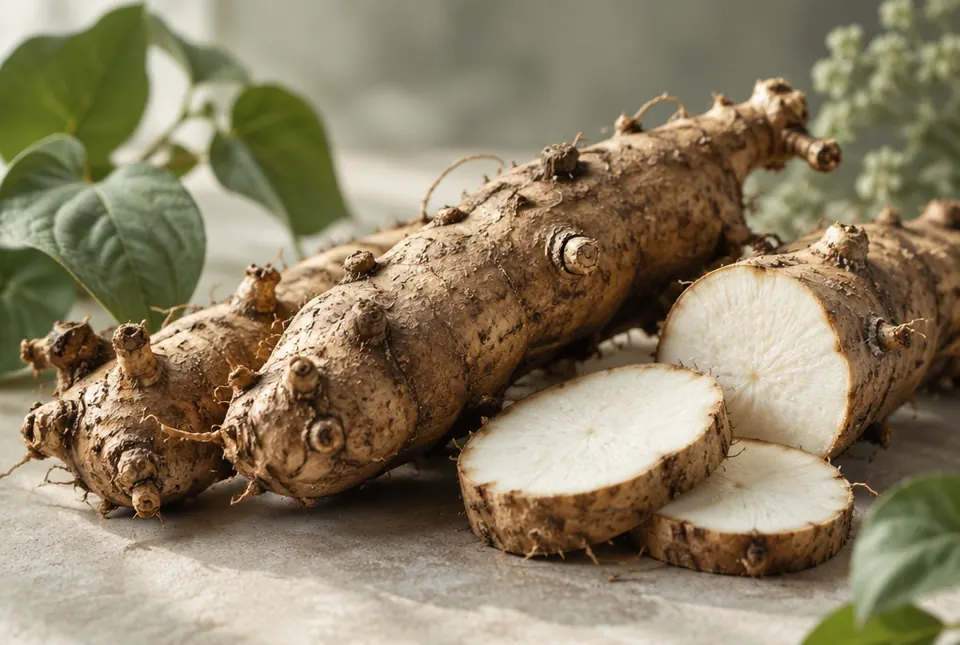
Wild yam (Dioscorea villosa) is a climbing vine native to North America, with heart-shaped leaves and a knobbly underground root. It is a different plant from the sweet potatoes sometimes sold as yams in shops. The dried root has been used in North American herbal tradition for digestive cramps and women's comfort.
The root contains diosgenin, a plant compound that chemists in the 20th century learned to convert into progesterone and other steroid hormones in the laboratory. That history has led to a common misunderstanding. The human body cannot make this conversion, so wild yam does not contain or supply hormones.
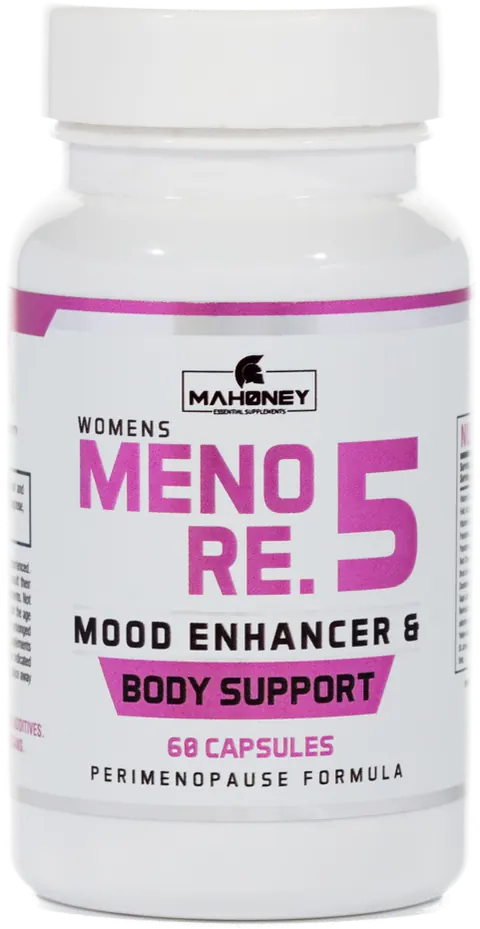
Wild yam is traditionally used to support women's comfort through the menopause. In supplements it appears as wild yam root powder or extract, often in blends with other botanicals for women's health, and it is also sold in creams. Research in people is limited. One placebo-controlled trial of a topical wild yam cream found no change in hormone levels or menopausal symptoms, so its reputation rests largely on tradition.