Supplements for brain fog: what helps and what to check first
2 October 2026 · 4 min read

What is brain fog?
Brain fog is an everyday name, not a medical diagnosis, for feeling slow, forgetful or unable to concentrate.
It is common, and it usually has a cause that can be found. Before you look at supplements, it is worth asking what might be behind it. Sometimes the answer is as simple as a run of short nights. Sometimes it is a sign to see your GP.
Check the common causes first
Several everyday factors and health conditions can affect concentration, and the NHS lists problems with focus or memory as possible symptoms of each of these:
- Poor sleep. The NHS says insomnia can make it hard to concentrate during the day, and that adults need 7 to 9 hours of sleep on average.
- Menopause. Problems with memory and concentration are listed among menopause symptoms.
- Vitamin B12 or folate deficiency anaemia. Symptoms can include problems with memory, understanding and judgement.
It can help to keep a simple diary for a week or two before you see anyone. Note how long you slept, what you ate, how much caffeine and alcohol you had, and when the fog felt worst. Patterns often appear quickly, and the diary gives your GP useful information if you do need a check-up.
If your brain fog is persistent, getting worse or comes with other symptoms such as tiredness, pins and needles or low mood, see your GP. A simple blood test can check for low B12 or folate, and treating a deficiency properly matters more than any over-the-counter product.
Habits that help a foggy brain
The most reliable way to think more clearly is to protect your sleep, because the NHS says that regularly not getting enough sleep makes it harder to focus and cope with everyday tasks.
- Keep the same wake-up time every day, even after a poor night.
- Put screens away before bed. The NHS notes that the blue light from devices makes you more awake.
- Avoid tea, coffee and alcohol in the 6 hours before bed.
- Move during the day. Regular exercise is part of the NHS advice for better sleep.
None of this is glamorous, but it matters. A supplement taken on top of four hours' sleep and a day of back-to-back screens is unlikely to make much difference. The same supplement taken alongside steadier habits has a far better chance of being part of a clearer, calmer day.
Vitamins and minerals for normal brain function
Several vitamins and minerals have authorised health claims linked to mental performance, and they are most likely to help if your diet is falling short.
The wording below is the exact, authorised wording that supplements are allowed to use in Great Britain.
| Nutrient | Authorised claim (summary) |
|---|---|
| Vitamin B12 | Contributes to normal psychological function and the reduction of tiredness and fatigue |
| Vitamin B5 | Contributes to normal mental performance and the reduction of tiredness and fatigue |
| Vitamin B6 | Contributes to the reduction of tiredness and fatigue and normal immune function |
| Magnesium | Contributes to normal psychological function and the reduction of tiredness and fatigue |
| Zinc | Contributes to normal cognitive function |
| Omega-3 (DHA) | DHA contributes to the maintenance of normal brain function (from 250 mg daily) |
These claims describe normal function. If you already eat a varied diet, extra vitamins are less likely to make a noticeable difference, and they are not a substitute for treating a diagnosed deficiency.
Botanicals studied for focus and memory
Some herbs and mushrooms are traditionally used for focus and memory, and a few have been tested in small human trials with mixed results.
Bacopa
Bacopa is traditionally used to support memory and learning. A 2014 meta-analysis of nine placebo-controlled trials, each lasting at least 12 weeks, found signs of faster performance on some attention tests. Results for memory were mixed, and the authors said the evidence was not definitive.
Lion's mane
Lion's mane is traditionally used to support focus and memory. A 2024 review of mushrooms and brain health found that intervention studies gave mixed results, with some improvements in mood and cognitive function in middle-aged and older adults. The reviewers called for larger, better-designed human trials.
Ginkgo and gotu kola
Ginkgo is traditionally used to support memory and circulation, and gotu kola to support mental clarity. Take care with ginkgo: the US National Center for Complementary and Integrative Health (NCCIH) says it may increase the risk of bleeding in people taking anticoagulants such as warfarin.
Who should take care
Supplements for focus are generally well tolerated, but some people should check with a professional first.
- If you take blood thinners, antidepressants, thyroid medicine or any regular prescription, ask your pharmacist before trying herbal blends.
- If you are pregnant or breastfeeding, speak to your GP or midwife before taking herbal supplements.
- Some focus blends also contain ashwagandha. Read our ingredient page and ask your pharmacist first if you are pregnant or have a thyroid or liver condition.
- If you have been diagnosed with a B12 deficiency, follow your GP's treatment plan rather than relying on a supplement.
Where to start
If sleep, diet and a GP check are covered and you would like some extra support, our focus collection groups the options together.
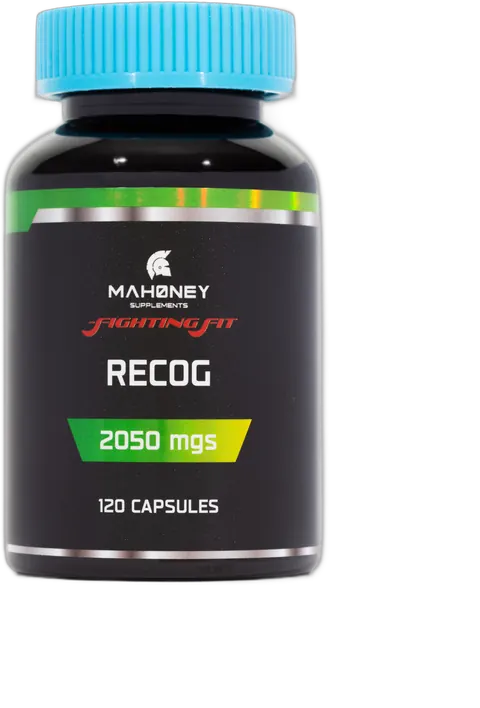
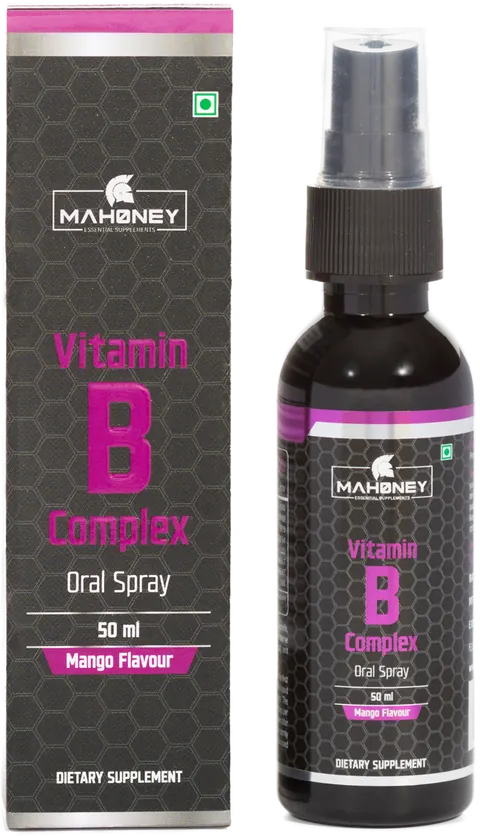
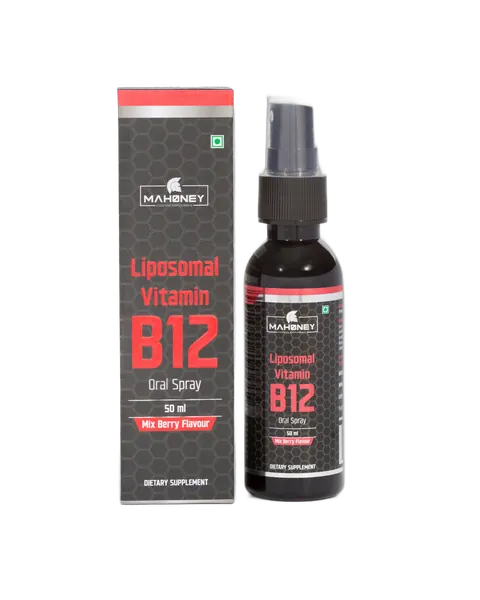
Vitamin B Complex covers the B vitamins above in one capsule, and the Liposomal Vitamin B12 Oral Spray is an easy option if you prefer not to swallow tablets. Recog with Lion's Mane combines lion's mane with bacopa, ginkgo and gotu kola for people interested in traditional botanicals. Choose one, take it consistently for a few weeks, and keep an eye on the habits that matter most.
- Vitamin B12 or folate deficiency anaemia: symptoms · NHS, accessed 2026
- Insomnia · NHS, accessed 2026
- Menopause: symptoms · NHS, accessed 2026
- Meta-analysis of randomized controlled trials on cognitive effects of Bacopa monnieri extract · Journal of Ethnopharmacology (Kongkeaw et al.), 2014
- A review of the effects of mushrooms on mood and neurocognitive health across the lifespan · Neuroscience and Biobehavioral Reviews, 2024
- Herb-Drug Interactions: What the Science Says · NCCIH (NIH), accessed 2026