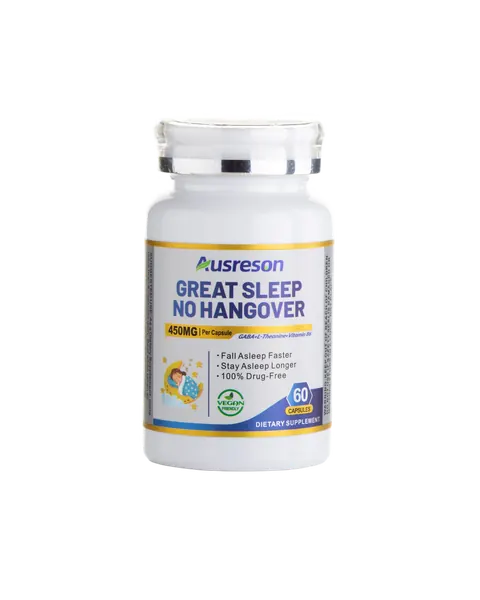
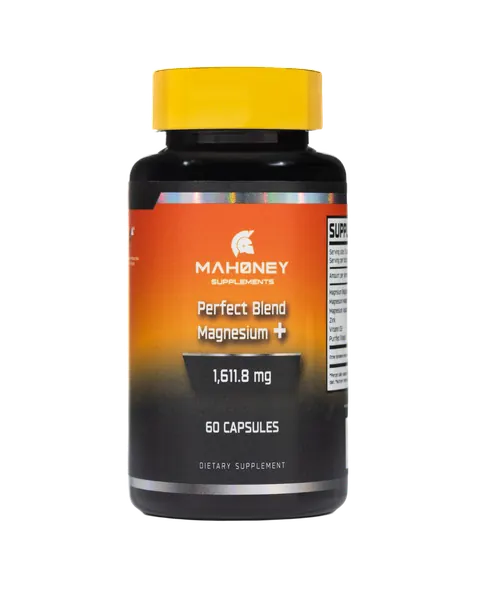
Free US delivery over $250
Nutra Formulations
Minerals

Magnesium

An essential mineral found in leafy greens, nuts and seeds; bisglycinate, malate and aspartate are gentle, well-absorbed forms.

Why it’s used: Contributes to the reduction of tiredness and fatigue, normal psychological function and normal muscle function.

Shop 2 products with magnesium
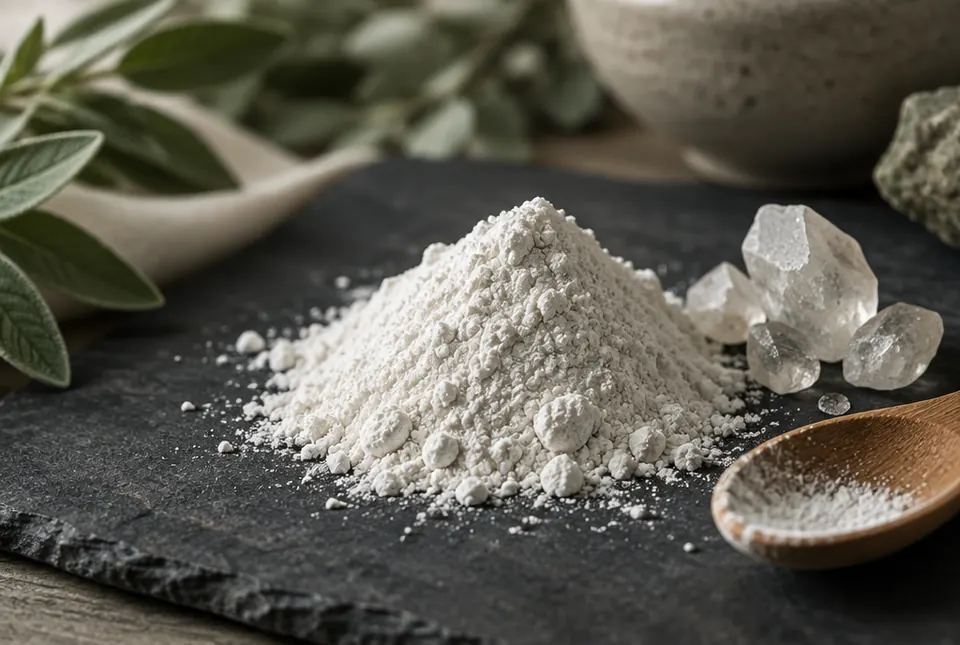
white powder and crystals on slate
About

What is magnesium?

Magnesium is an essential mineral that helps turn the food we eat into energy and helps the parathyroid glands, which produce hormones important for bone health, work normally. It is found in a wide variety of foods, including spinach and other leafy greens, nuts, seeds and wholemeal bread.

Magnesium contributes to the reduction of tiredness and fatigue, normal psychological function and normal muscle function. In healthy people the kidneys clear any excess from food, so magnesium from a normal diet does not need to be limited.

In supplements, magnesium is always bound to another compound, and the form affects how well it is absorbed and how gentle it feels. Citrate, aspartate, lactate and chloride are among the more easily absorbed forms, while bisglycinate (also called glycinate) and malate are popular, gentle options. Look for the amount of elemental magnesium on the label, which is the magnesium itself rather than the weight of the whole compound, and remember that the upper guidance applies to supplements rather than food.

What the research says

Evidence, not anecdote.

3 findings behind this ingredient. Hover a card for the detail and the source.

Meta-analysis2023

Magnesium supplements lowered depression scores compared with placebo in adults with depressive disorder.

Meta-analysis of 7 randomised, placebo-controlled trials with 325 adults. Magnesium significantly reduced depression scores (SMD -0.92).

Meta-analysis2021

Magnesium helped older adults with insomnia fall asleep about 17 minutes faster than placebo, though evidence quality was low.

Meta-analysis of 3 randomised trials in 151 older adults with insomnia. Time to fall asleep was 17.4 minutes shorter with magnesium; total sleep time rose 16 minutes, which was not significant.

Systematic review2017

Magnesium showed a beneficial effect on feelings of anxiety in people prone to anxiety, though study quality was poor.

Systematic review of 18 studies in mildly anxious people, women with PMS, postpartum women and people with hypertension. Positive effects on anxiety were reported in about half the studies in anxious and PMS groups.

In our range

Supplements with magnesium.

Questions

Asked before you buy.

Can't see yours? Ask our team, answered within a working day.

Which form of magnesium is best?

It depends on what you want from it. Citrate, aspartate, lactate and chloride are among the more easily absorbed forms. Bisglycinate and malate are popular for being gentle on the stomach. Whatever the form, check the elemental magnesium amount on the label.

How much magnesium should I take a day?

UK adults need 270 to 300mg a day, mostly from food. The NHS says up to 400mg a day from supplements is unlikely to cause any harm. Taking more than that, even for a short time, can cause diarrhoea.

Is magnesium good for tiredness?

Magnesium contributes to the reduction of tiredness and fatigue, and to normal muscle function and normal psychological function. These are authorised descriptions of its roles. If tiredness is persistent or unexplained, see your GP to look into other causes.

Shop by goal
Often found with
Independent experts

Experts on magnesium.

Videos from doctors, research scientists and registered dietitians, for general education. They are independent of Nutra Formulations, do not refer to our products and are not medical advice for you.

Magnesium: Risks of Deficiency, Supplement Options, Cognitive and Sleep Benefits

Dr Peter Attia, MD (Stanford) · Peter Attia MD on YouTube

Sources
  1. Others: vitamins and minerals · NHS, 2020
  2. Magnesium: fact sheet for consumers · NIH Office of Dietary Supplements, 2021

Information only, not medical advice. If you take medication, are pregnant or breastfeeding, speak to your GP or pharmacist first.

Find your protocol

Not sure where to start?

Six quick questions match you to the products in our range that fit your goal, with the reasons why.

Start the assessment