Free US delivery over $250
Nutra Formulations
Herbs and botanicals

Ashwagandha

An Ayurvedic root, also called Indian ginseng. KSM-66 is a standardised root extract.

Why it’s used: Traditionally used to help the body adapt to stress and support calm and restful sleep.

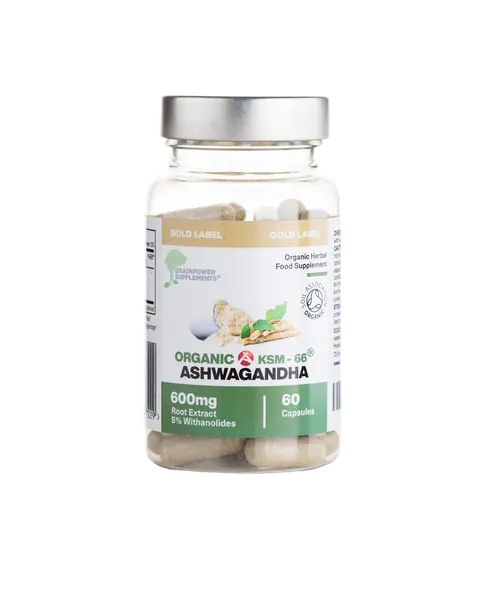
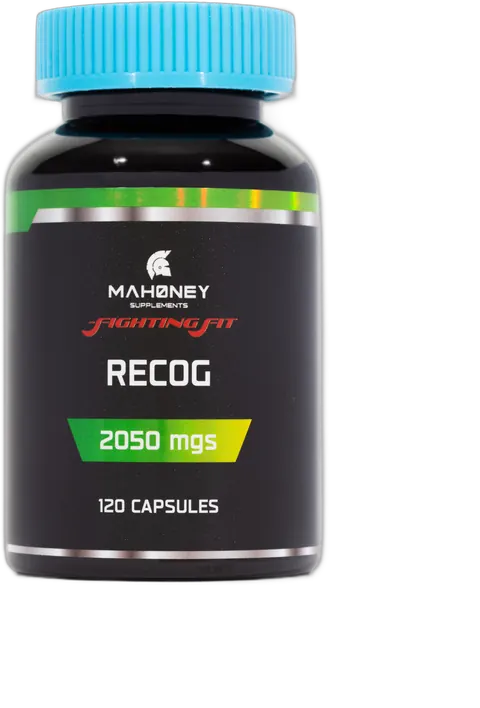
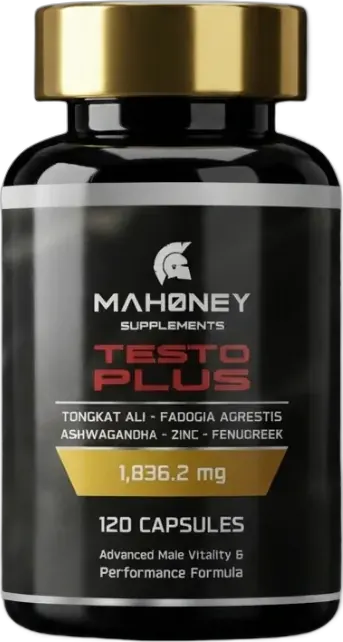
Shop 3 products with ashwagandha
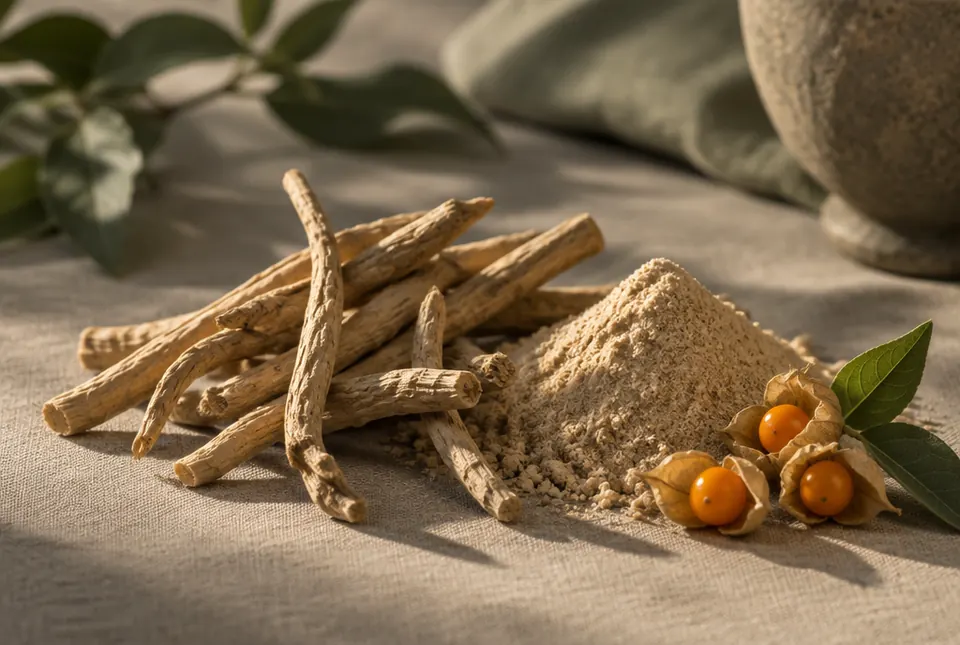
ashwagandha roots, powder and berries
About

What is ashwagandha?

Ashwagandha, Withania somnifera, is a small shrub in the nightshade family that grows across India, the Middle East and parts of Africa. Its name comes from Sanskrit and refers to the horse-like smell of the fresh root. It is sometimes called Indian ginseng or winter cherry, although it is not related to true ginseng.

In Ayurveda the root has been used for thousands of years as a rasayana, a restorative herb, and it is traditionally used to help the body adapt to stress and to support calm and restful sleep. Its compounds of interest are withanolides. Researchers have studied root extracts in small trials looking at stress and sleep, with some promising findings, but it has no authorised health claim.

On labels you will see ashwagandha root powder, Withania somnifera root extract, or branded extracts such as KSM-66, a root-only extract standardised to withanolides. Root-only extracts are preferred over those including leaves, and the withanolide percentage is the best way to compare products.

What the research says

Evidence, not anecdote.

3 findings behind this ingredient. Hover a card for the detail and the source.

Meta-analysis2022

Ashwagandha supplements reduced anxiety and stress scores compared with placebo across 12 randomised trials.

Systematic review and meta-analysis of 12 randomised controlled trials with 1,002 adults. Ashwagandha significantly lowered anxiety and stress versus placebo, with the stress benefit seen at 300–600 mg a day; certainty of evidence was rated low.

Meta-analysis2021

Ashwagandha extract gave a small but significant improvement in overall sleep, especially in adults with insomnia.

Systematic review and meta-analysis of five randomised controlled trials with 400 adults. Effects were larger at 600 mg a day or more and over eight weeks or longer, and no serious side effects were reported.

RCT2012

A full-spectrum ashwagandha root extract lowered stress scores and cortisol in adults with chronic stress.

Double-blind, placebo-controlled trial in 64 adults with a history of chronic stress, taking 300 mg of root extract twice daily for 60 days. Stress scale scores and serum cortisol fell significantly versus placebo, and side effects were mild.

In our range

Supplements with ashwagandha.

Questions

Asked before you buy.

Can't see yours? Ask our team, answered within a working day.

What is KSM-66 ashwagandha?

KSM-66 is a branded ashwagandha extract made only from the root and standardised to a set level of withanolides, the plant's main compounds of interest. It is one of the most widely studied forms, which is why you often see it named on labels.

Is ashwagandha banned in the UK?

No. Ashwagandha is legal in UK food supplements. The UK Committee on Toxicity is reviewing its safety in food and supplements, with a final statement expected in 2026. Until then, follow label amounts and the cautions on pregnancy, thyroid conditions and liver health.

How long can I take ashwagandha for?

NCCIH says it may be safe for short-term use of up to about three months, but there is not enough information on longer-term use. If you want to take it for longer, it is sensible to talk it through with your GP or pharmacist.

Shop by goal
Often found with
Independent experts

Experts on ashwagandha.

Videos from doctors, research scientists and registered dietitians, for general education. They are independent of Nutra Formulations, do not refer to our products and are not medical advice for you.

Brain Doctor Reviews Ashwagandha and the Best Brands

Dr Anna Hristova (Neurogal MD), MD, board-certified neurologist · Neurogal MD on YouTube

Ashwagandha: Latest Research

Dr Leonid Kim, MD, board-certified in internal and obesity medicine · Leonid Kim MD on YouTube

Sources
  1. Ashwagandha: Usefulness and Safety · NCCIH, 2024
  2. Ashwagandha (LiverTox) · NCBI Bookshelf, NIH, 2024
  3. Summary of responses to call for evidence on Ashwagandha · Committee on Toxicity (GOV.UK), 2026

Information only, not medical advice. If you take medication, are pregnant or breastfeeding, speak to your GP or pharmacist first.

Find your protocol

Not sure where to start?

Six quick questions match you to the products in our range that fit your goal, with the reasons why.

Start the assessment