Free US delivery over $250
Nutra Formulations
Herbs and botanicals

Gotu kola

A leafy herb from the parsley family, used in Ayurvedic and Chinese tradition.

Why it’s used: Traditionally used to support mental clarity and circulation.

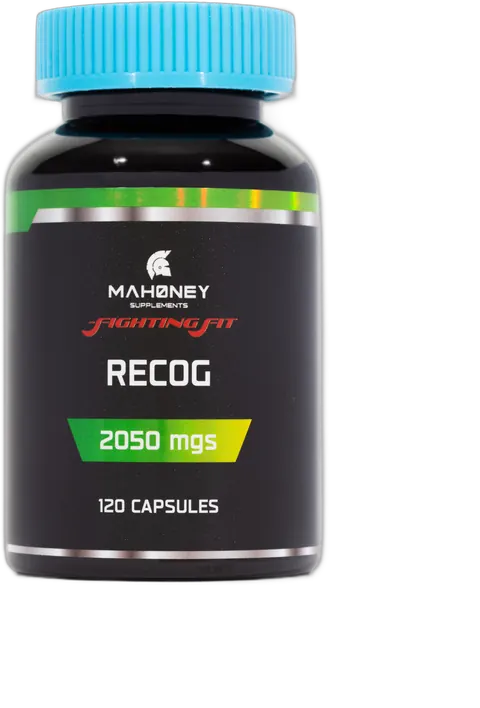
Shop 1 product with gotu kola
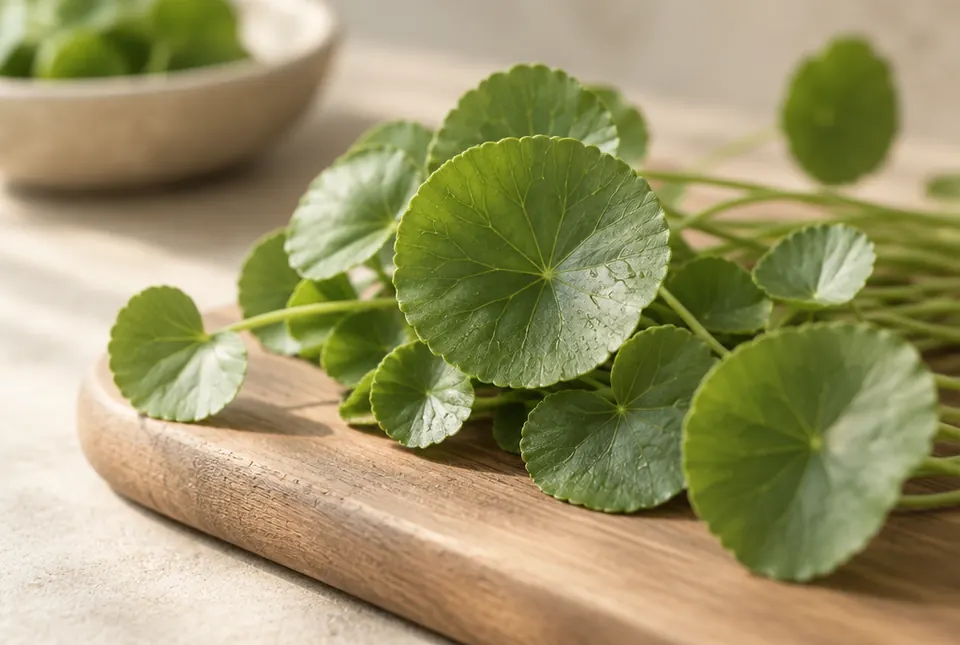
round gotu kola leaves on a wooden board
About

What is gotu kola?

Gotu kola, Centella asiatica, is a low-growing herb with small fan-shaped leaves that thrives in damp, shady places across India, Sri Lanka, South-East Asia and southern Africa. It belongs to the same broad plant family as parsley and carrots, and in South-East Asia the fresh leaves are eaten in salads and blended into drinks.

It has a long history in both Ayurvedic and traditional Chinese practice, where it is traditionally used to support mental clarity and circulation. Its compounds of interest are triterpenes, including asiaticoside, madecassoside and asiatic acid. Researchers have studied these compounds, including in skincare, but human evidence for oral supplements is limited and it has no authorised health claim.

On labels you will see gotu kola, Centella asiatica leaf or herb extract, or extracts standardised to triterpenes. In parts of India it is also called brahmi, which can cause confusion with Bacopa monnieri, so the Latin name is the safest guide.

What the research says

Evidence, not anecdote.

3 findings behind this ingredient. Hover a card for the detail and the source.

Systematic review2013

Gotu kola improved measures of circulation and ankle swelling in people with chronic venous insufficiency across eight randomised trials.

Systematic review of 8 randomised controlled trials of Centella asiatica in chronic venous insufficiency. Pooled data showed better microcirculation and less ankle swelling, though many studies were poorly reported.

RCT2008

Gotu kola extract improved working memory and self-rated mood in healthy older adults over two months.

Randomised double-blind placebo-controlled trial in 28 healthy older adults taking 250, 500 or 750 mg Centella asiatica extract once daily for 2 months. The highest dose enhanced working memory, and mood ratings improved.

RCT2001

A gotu kola triterpene extract reduced ankle swelling and improved skin blood flow in people with venous hypertension.

Randomised placebo-controlled trial in 40 people with severe venous hypertension taking 60 mg total triterpenic fraction of Centella asiatica twice daily for 8 weeks. Rate of ankle swelling and resting flux fell, with improved signs and symptoms and no side effects.

In our range

Supplements with gotu kola.

Questions

Asked before you buy.

Can't see yours? Ask our team, answered within a working day.

Is gotu kola the same as bacopa?

No, they are different plants, although both are sometimes called brahmi in India. Gotu kola is Centella asiatica and bacopa is Bacopa monnieri. They have different compounds and different research, so check the Latin name on the label.

Can gotu kola affect the liver?

Rarely. The NIH LiverTox database describes a small number of liver injury cases, usually starting three to eight weeks after beginning the herb and improving after stopping. Avoid it if you have liver problems, and seek advice if you notice jaundice or dark urine.

Can you eat gotu kola?

Yes. In Sri Lanka, Thailand and other parts of South-East Asia the fresh leaves are a common salad green and are blended into drinks. Supplements concentrate the leaf into powders or extracts, which is different from eating it as a vegetable.

Shop by goal
Often found with
Sources
  1. Centella asiatica (LiverTox) · NCBI Bookshelf, NIH, 2024
  2. Effects of Centella asiatica (L.) Urb. on cognitive function and mood related outcomes: A Systematic Review and Meta-analysis · Scientific Reports (PubMed), 2017

Information only, not medical advice. If you take medication, are pregnant or breastfeeding, speak to your GP or pharmacist first.

Find your protocol

Not sure where to start?

Six quick questions match you to the products in our range that fit your goal, with the reasons why.

Start the assessment