Free US delivery over $250
Nutra Formulations
Vitamins

Vitamin B2 (riboflavin)

A water-soluble B vitamin found in dairy, eggs and almonds.

Why it’s used: Contributes to the reduction of tiredness and fatigue and to the maintenance of normal skin and vision.

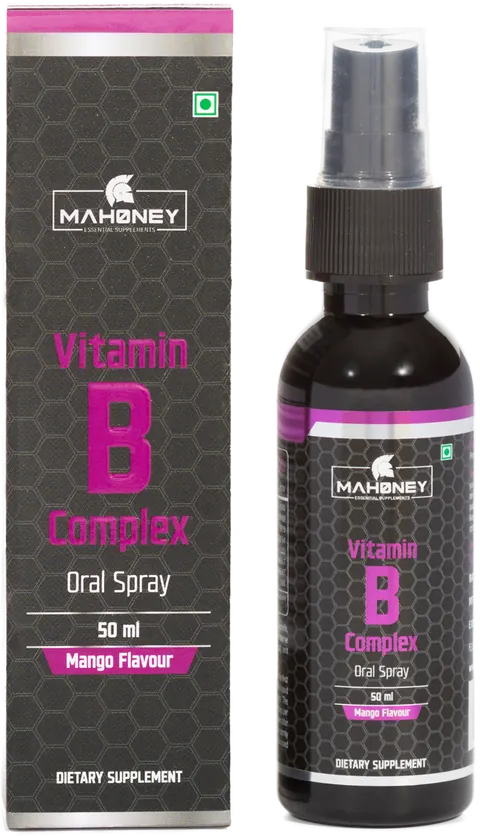
Shop 1 product with vitamin b2
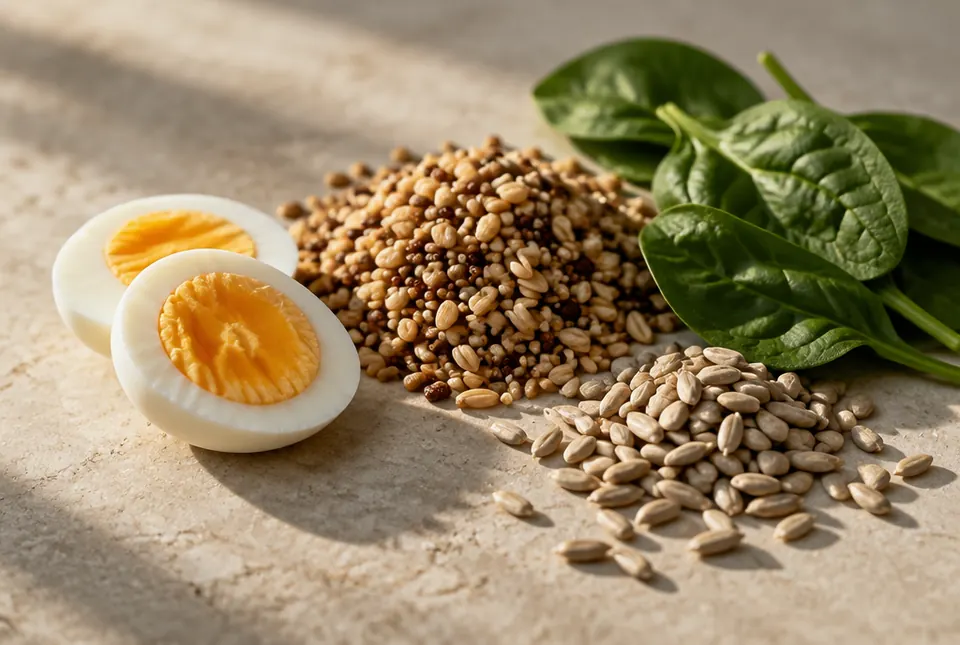
egg, whole grains, spinach and seeds
About

What is vitamin b2?

Vitamin B2, or riboflavin, is a water-soluble B vitamin. Good food sources include milk, eggs, plain yoghurt, mushrooms and fortified breakfast cereals. UV light can break riboflavin down, which is why the NHS suggests keeping these foods out of direct sunlight. The body cannot store riboflavin, so you need some in your diet every day, though most people get enough from a varied diet.

Riboflavin helps the body release energy from food and helps keep the skin, eyes and nervous system healthy. It contributes to the reduction of tiredness and fatigue and to the maintenance of normal skin and normal vision. Dairy foods are a particularly useful source for many people in the UK.

On labels it is usually listed simply as riboflavin. You will find it in multivitamin and mineral supplements, in B-complex formulas and in supplements that contain riboflavin alone, with the amount shown in milligrams (mg). Because it works alongside the other B vitamins in the release of energy from food, it is most often taken as part of a combined product.

What the research says

Evidence, not anecdote.

2 findings behind this ingredient. Hover a card for the detail and the source.

RCT2011

Riboflavin supplements improved riboflavin status and, with it, haemoglobin in young UK women with marginal riboflavin deficiency.

Randomised placebo-controlled trial in 123 women aged 19–25 with low riboflavin status taking 2 mg or 4 mg riboflavin or placebo for 8 weeks. Riboflavin status improved with dose, and rises in haemoglobin tracked the improvement, especially in those lowest at the start.

RCT1993

Riboflavin with niacin was linked to fewer nuclear cataracts in adults aged 45 to 74 in a large nutrition trial in China.

Two randomised double-masked trials in 5,390 adults in rural Linxian, China, lasting 5 to 6 years. Nuclear cataract was significantly less common with riboflavin plus niacin, by 44% in those aged 65–74, though a small rise in posterior subcapsular cataract was seen.

In our range

Supplements with vitamin b2.

Questions

Asked before you buy.

Can't see yours? Ask our team, answered within a working day.

What is riboflavin good for?

Riboflavin is vitamin B2. It contributes to the reduction of tiredness and fatigue and to the maintenance of normal skin and vision, and it helps the body release energy from food. Most people get enough from milk, eggs, yoghurt and fortified cereals.

Which foods are high in vitamin B2?

Good sources include milk, eggs, plain yoghurt, mushrooms and fortified breakfast cereals. UV light can break riboflavin down, so the NHS suggests keeping these foods out of direct sunlight. Because the body cannot store it, regular intake matters.

Is it safe to take vitamin B2 every day?

For most adults, yes. Riboflavin has not been shown to cause harm and is not known to interact with medicines. The NHS says 40mg or less a day from supplements is unlikely to cause any harm.

Shop by goal
Often found with
Sources
  1. B vitamins and folic acid: vitamins and minerals · NHS, 2020
  2. Riboflavin: fact sheet for consumers · NIH Office of Dietary Supplements, 2022

Information only, not medical advice. If you take medication, are pregnant or breastfeeding, speak to your GP or pharmacist first.

Find your protocol

Not sure where to start?

Six quick questions match you to the products in our range that fit your goal, with the reasons why.

Start the assessment