Free US delivery over $250
Nutra Formulations
Amino acids

Taurine

An amino acid found in meat and fish, and in high amounts in heart and muscle.

Why it’s used: Involved in fluid balance and bile formation in the body.

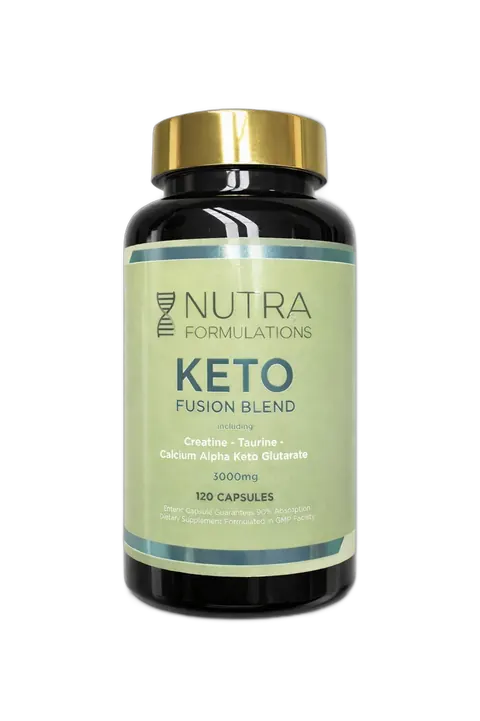
Shop 2 products with taurine
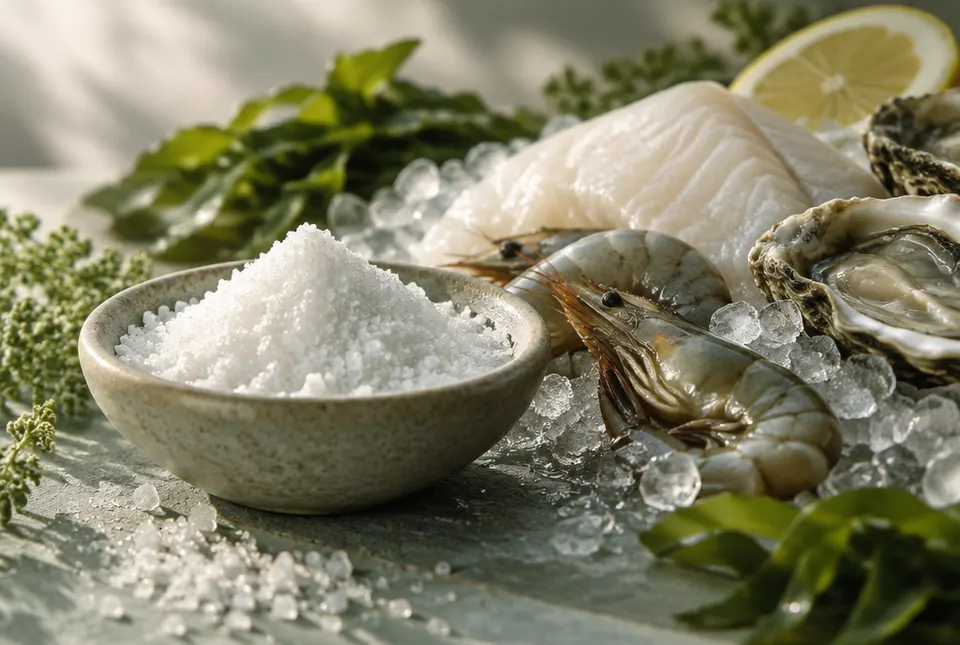
white crystalline powder beside seafood on ice
About

What is taurine?

Taurine is a sulphur-containing amino acid found in meat, fish and seafood, and in high amounts in the heart and muscles. The body can make its own taurine, and plants contain essentially none, so people who eat no animal foods rely on what their bodies make.

Unlike most amino acids, taurine is not used to build proteins. Instead, it is involved in fluid balance within cells and in bile formation, where it combines with bile acids that help the body digest fats. Researchers have studied taurine in relation to heart, muscle and exercise in small trials, but no health claims are authorised for it in the UK.

Taurine is best known as an ingredient in energy drinks. In 2009 the European Food Safety Authority reviewed taurine at the levels used in energy drinks and concluded that exposure at those levels was not a safety concern. In supplements it appears as taurine or L-taurine, usually in capsules or as a powder, with amounts listed in milligrams (mg) or grams (g).

What the research says

Evidence, not anecdote.

3 findings behind this ingredient. Hover a card for the detail and the source.

Meta-analysis2024

Taurine lowered heart rate and systolic and diastolic blood pressure, and improved heart function measures, across 20 trials.

20 randomised controlled trials with 808 participants were pooled. Systolic pressure fell by about 4 mmHg and heart rate by 3.6 beats per minute, with no significant adverse effects.

Meta-analysis2018

Taurine taken by mouth improved overall endurance exercise performance, including time to exhaustion.

A meta-analysis of 10 studies using 1-6 g/day taurine, as single doses or for up to 2 weeks, found improved endurance performance; dose did not change the effect.

RCT2016

Taurine lowered clinic and 24-hour blood pressure and improved blood vessel function in adults with prehypertension.

120 adults with prehypertension took 1.6 g/day taurine or placebo for 12 weeks. Clinic systolic pressure fell by 7.2 mmHg with taurine versus 2.6 mmHg with placebo.

In our range

Supplements with taurine.

Questions

Asked before you buy.

Can't see yours? Ask our team, answered within a working day.

Is taurine safe?

At the levels found in energy drinks, EFSA concluded in 2009 that taurine was not a safety concern. A 2008 risk assessment proposed 3g a day as an observed safe level for supplements. If you take prescribed medicines, check with your pharmacist first.

Is taurine a stimulant?

No. Taurine is an amino acid, not a stimulant. It is often found in energy drinks alongside caffeine, which is the stimulant ingredient. Taurine on its own does not contain caffeine.

Where does taurine come from?

Taurine is found naturally in meat, fish and seafood, and the body also makes its own. Plants contain essentially none. Within the body it is concentrated in tissues such as the heart and muscles, where it helps with fluid balance.

Shop by goal
Often found with
Independent experts

Experts on taurine.

Videos from doctors, research scientists and registered dietitians, for general education. They are independent of Nutra Formulations, do not refer to our products and are not medical advice for you.

Taurine: The Energy Your Body Brews Naturally

Dr Hosen Kiat, MBBS, cardiologist · Dr Kiat on YouTube

Taurine and the Heart

Dr Sanjay Gupta, MD, consultant cardiologist · York Cardiology on YouTube

Sources
  1. The use of taurine and D-glucurono-gamma-lactone as constituents of the so-called energy drinks · EFSA Journal, 2009
  2. Risk assessment for the amino acids taurine, L-glutamine and L-arginine · Regulatory Toxicology and Pharmacology (PubMed), 2008
  3. Important roles of dietary taurine, creatine, carnosine, anserine and 4-hydroxyproline in human nutrition and health · Amino Acids (PubMed Central), 2020

Information only, not medical advice. If you take medication, are pregnant or breastfeeding, speak to your GP or pharmacist first.

Find your protocol

Not sure where to start?

Six quick questions match you to the products in our range that fit your goal, with the reasons why.

Start the assessment