GABA, short for gamma-aminobutyric acid, is an amino acid that the body makes itself. In the brain it acts as a chemical messenger, and it plays a role in the calming signals that help balance activity in the nervous system. It is not one of the amino acids used to build proteins, so you will not see it listed among the protein building blocks on a nutrition label.
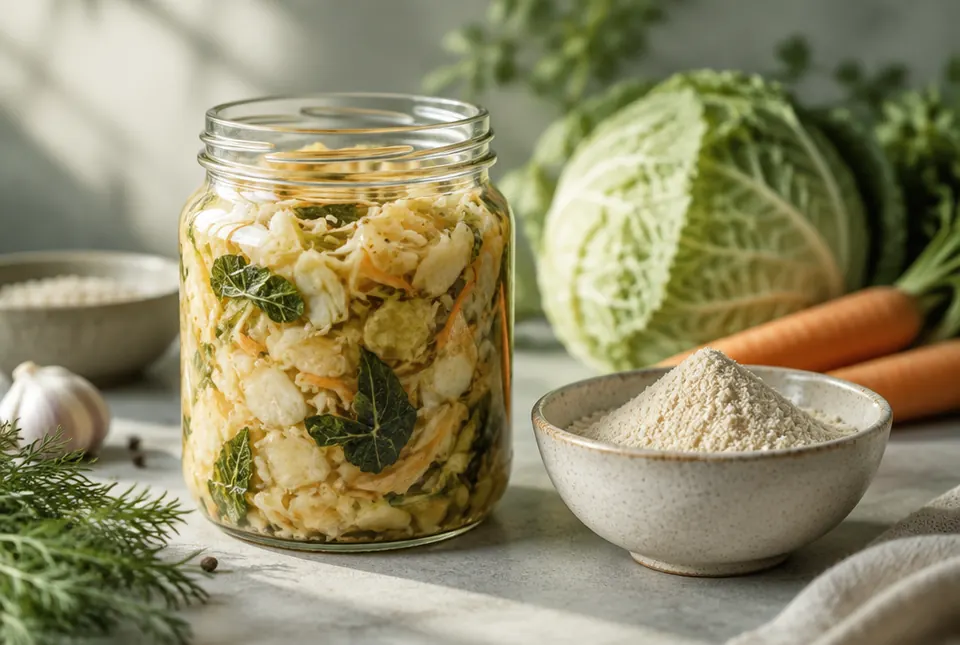
Small amounts of GABA occur naturally in foods, especially fermented ones such as kimchi, tempeh and some yoghurts, and it is also found in green and oolong teas. The GABA sold in supplements is usually made by fermentation, often using lactic acid bacteria, and you may see it described on labels as "PharmaGABA" or simply as gamma-aminobutyric acid.
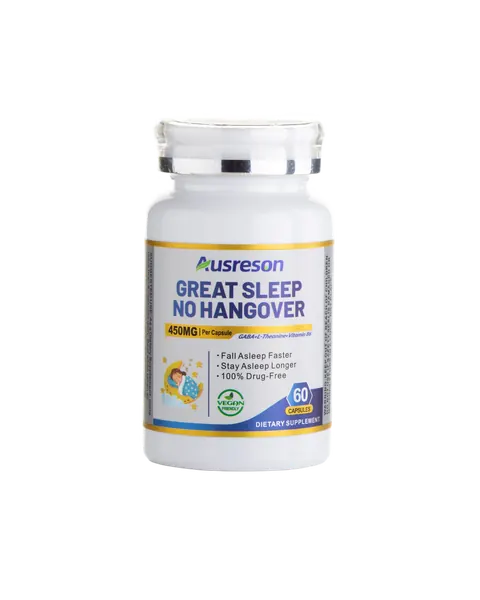
GABA is typically sold as capsules or powder, sometimes on its own and sometimes in evening blends alongside magnesium, L-theanine or herbal extracts. Researchers have studied it in small trials looking at relaxation and sleep, but the evidence is still early and mixed, and it is not yet clear how much supplemental GABA reaches the brain.