Free UK delivery over £200
Nutra Formulations
Herbs and botanicals

Sappanwood

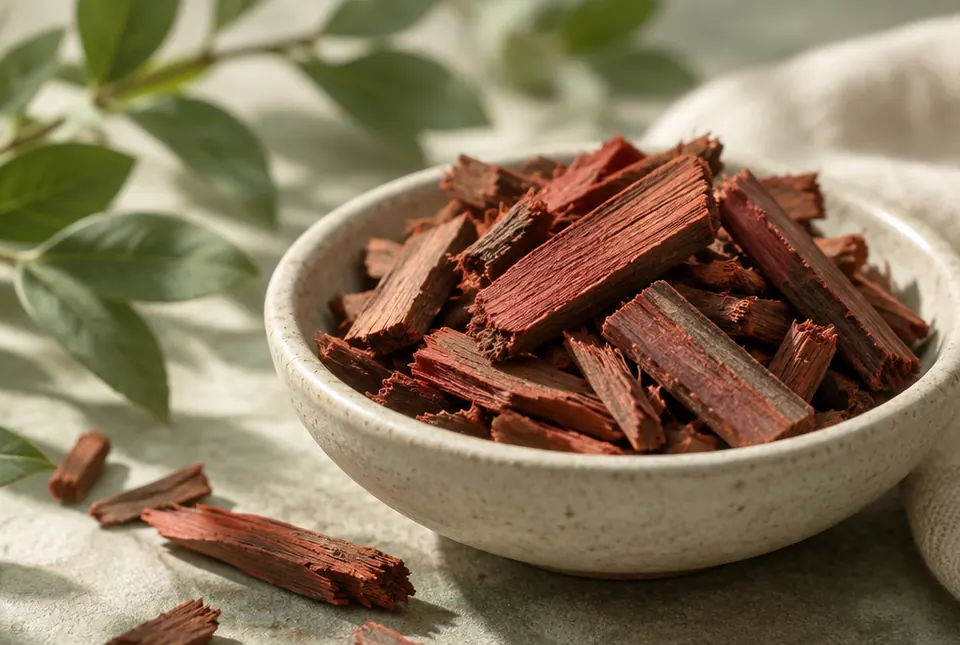
Heartwood of the sappan tree, a natural red dye.

Why it’s used: Traditionally used in Asian practice for skin.

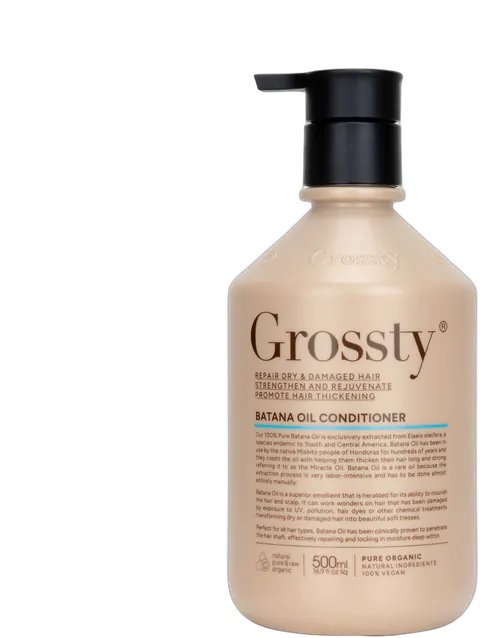
Shop 1 product with sappanwood
red sappanwood chips
About

What is sappanwood?

Sappanwood comes from Caesalpinia sappan, also known as Biancaea sappan, a thorny flowering tree native to South-East Asia, southern China and the Indian subcontinent. Its hard, orange-red heartwood contains brazilin, a natural pigment that gives a range of red shades.

For centuries the heartwood has been used as a dye for silk, cotton and leather, and to colour foods and drinks such as rice and noodles in South-East Asia. It also has a long place in Asian traditional practice, including Chinese, Thai and Ayurvedic traditions, and sappanwood is traditionally used in Asian practice for skin. It is known as secang in Indonesia and pattanga in India.

Today you will find Caesalpinia sappan heartwood extract in skin and hair care, often alongside other Asian botanicals. Laboratory studies have explored the antioxidant and anti-inflammatory activity of brazilin and related compounds such as sappanone A and protosappanin, but research in people is still at an early stage.

What the research says

Evidence, not anecdote.

3 findings behind this ingredient. Hover a card for the detail and the source.

Preclinical2022

Sappanwood extract and brazilin protected human skin cells from blue light damage, preserving collagen in laboratory tests.

Laboratory study in human dermal fibroblasts exposed to blue light. Pretreatment with Caesalpinia sappan extract or brazilin stopped the fall in collagen types 1 and 3 and the rise in collagen-degrading enzymes, and showed antioxidant activity.

Preclinical2018

Sappanwood extract and brazilin reduced UVA-induced oxidative stress in human skin cells by boosting an antioxidant enzyme.

Laboratory study in human epidermal keratinocytes exposed to UVA light. Caesalpinia sappan extract and brazilin lowered hydrogen peroxide production by activating the antioxidant enzyme GPX7.

Preclinical2012

Brazilin, the main sappanwood compound, blocked UVB-induced collagen-degrading enzymes and free radicals in human skin cells.

Laboratory study in human dermal fibroblasts exposed to UVB. Brazilin protected cell viability, blocked reactive oxygen species and reduced MMP-1 and MMP-3 in a dose-dependent way.

In our range

Supplements with sappanwood.

Questions

Asked before you buy.

Can't see yours? Ask our team, answered within a working day.

What is sappanwood?

Sappanwood is the red heartwood of Caesalpinia sappan, a tree from South-East Asia and India. It contains brazilin, a natural red pigment used for centuries to dye fabrics and colour foods, and it has a long history in Asian traditional practice.

What is sappanwood used for in skin care?

Sappanwood is traditionally used in Asian practice for skin. In modern formulas it appears as a heartwood extract, valued for its brazilin content, which laboratory studies have explored for antioxidant activity.

Is sappanwood the same as brazilwood?

They are related but different trees. Both belong to the pea family and both contain the red dye brazilin. Brazilwood comes from South America, while sappanwood is native to tropical Asia.

Shop by goal
Often found with
Sources
  1. A Comprehensive Review on Bioactive Compounds Found in Caesalpinia sappan · PubMed Central (Molecules), 2023
  2. Protective Effects of Caesalpinia sappan Linn. and Its Bioactive Compounds on Cardiovascular Organs · PubMed Central (Frontiers in Pharmacology), 2021
  3. Traditional Uses and Phytochemical and Pharmacological Analyses of Caesalpinia sappan Linn. · Chemistry and Biodiversity (Wiley), 2025

Information only, not medical advice. If you take medication, are pregnant or breastfeeding, speak to your GP or pharmacist first.

Find your protocol

Not sure where to start?

Six quick questions match you to the products in our range that fit your goal, with the reasons why.

Start the assessment