Free UK delivery over £200
Nutra Formulations
Nutrients and compounds

Citrus bioflavonoids

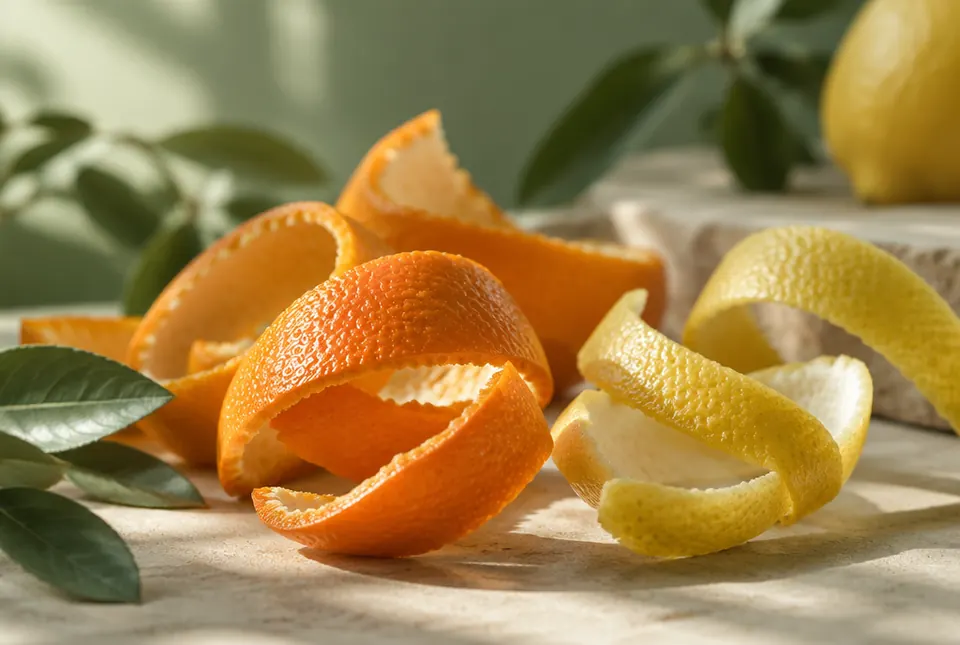
Plant compounds from the peel and pith of oranges and lemons.

Why it’s used: Flavonoid antioxidants often paired with vitamin C.

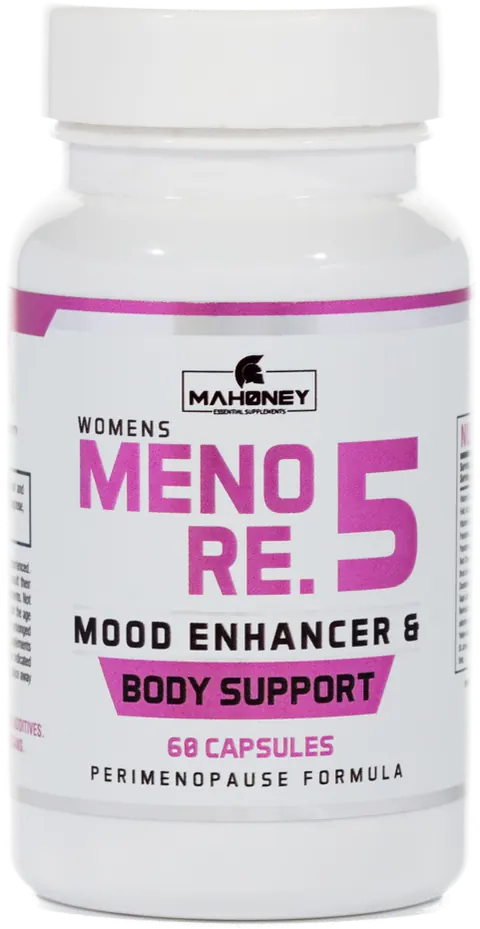
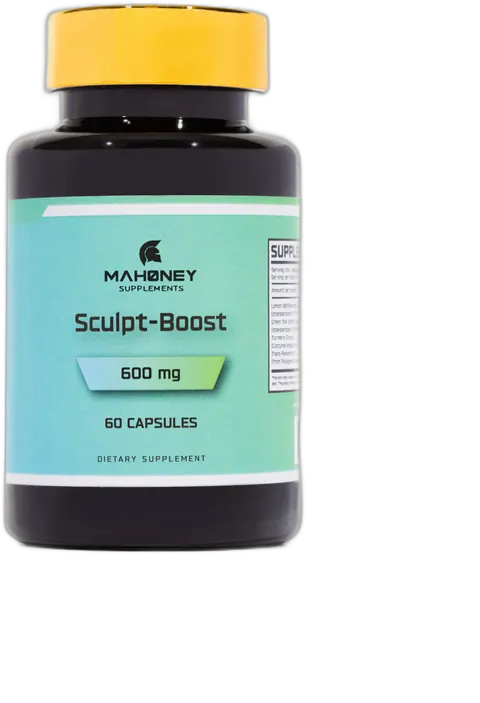
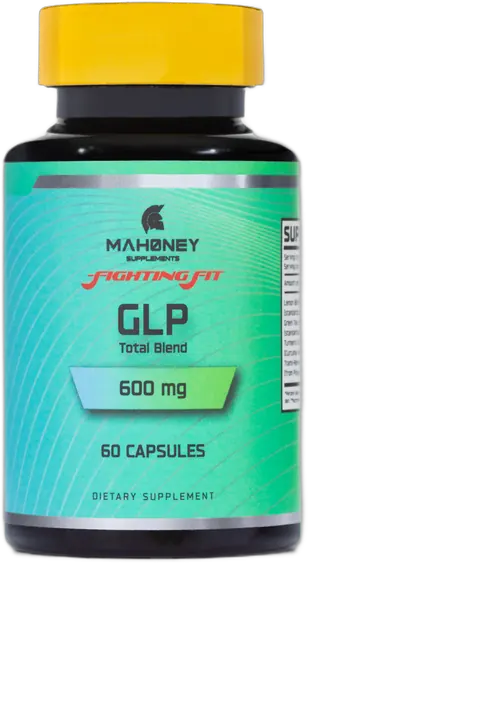
Shop 4 products with citrus bioflavonoids
orange and lemon peel slices
About

What is citrus bioflavonoids?

Citrus bioflavonoids are a family of plant compounds found mainly in the peel, pith and pulp of citrus fruits. The best known are hesperidin, found mostly in sweet oranges, eriocitrin, which is especially associated with lemons, and naringin, the bitter flavonoid characteristic of grapefruit. Rutin is often sold alongside them, although it is found in many other plants too, such as buckwheat.

In everyday food you get small amounts of these compounds from whole citrus fruit and juice, with more coming from the pith and membranes than from the clear juice. As supplements, they are usually extracted from orange or lemon peel left over from juice production.

On labels you will see them listed as citrus bioflavonoids, citrus flavonoid complex, hesperidin, diosmin (a compound made from hesperidin) or rutin. They are very often paired with vitamin C, a combination that reflects how the two occur together in fruit. Because products vary so much in what they contain, it is worth checking the amount of each named flavonoid rather than the total extract weight.

What the research says

Evidence, not anecdote.

3 findings behind this ingredient. Hover a card for the detail and the source.

Meta-analysis2019

Hesperidin, the main orange flavonoid, significantly lowered the vascular inflammation marker VCAM-1 across randomised trials in adults.

Systematic review and meta-analysis of 6 randomised controlled trials with 296 adults. Hesperidin significantly reduced VCAM-1, with a reduction in C-reactive protein in longer parallel trials; other markers were unchanged.

RCT2017

Hesperidin raised antioxidant capacity and lowered markers of oxidative damage compared with placebo in adults with type 2 diabetes.

Randomised double-blind placebo-controlled trial in 64 adults with type 2 diabetes taking 500 mg hesperidin a day for 6 weeks. Total antioxidant capacity rose, and DNA damage (8-OHdG) and lipid peroxidation (MDA) markers fell, versus placebo.

RCT2011

Hesperidin lowered diastolic blood pressure over 4 weeks and improved blood vessel reactivity after intake in healthy overweight men.

Randomised controlled crossover study in 24 healthy, moderately overweight men aged 50–65 drinking orange juice, a control drink with hesperidin, or placebo for 4 weeks each. Diastolic blood pressure fell with orange juice and with hesperidin, and post-meal microvascular reactivity improved.

In our range

Supplements with citrus bioflavonoids.

Questions

Asked before you buy.

Can't see yours? Ask our team, answered within a working day.

What are citrus bioflavonoids?

They are naturally occurring plant compounds from citrus fruit, mainly found in the peel and pith. The main ones are hesperidin from oranges, eriocitrin from lemons and naringin from grapefruit. Supplements usually extract them from leftover citrus peel and often combine them with vitamin C.

Why are citrus bioflavonoids paired with vitamin C?

Mostly because they occur together in citrus fruit, so the pairing mirrors how you would eat them in food. Vitamin C has authorised health claims, for example it contributes to the normal function of the immune system. Citrus bioflavonoids themselves do not have an authorised health claim.

Do citrus bioflavonoids interact with medicines?

Possibly, depending on the source. Grapefruit is well known for interacting with certain medicines, and researchers think its furanocoumarins play a bigger role than naringin. Orange and lemon flavonoids are less studied. If you take prescription medicines, check with your pharmacist before starting.

Shop by goal
Often found with
Sources
  1. Analysis of Citrus Bioflavonoid Content and Dipeptidyl Peptidase-4 Inhibitory Potential of Commercially Available Supplements · Molecules (PubMed Central), 2022
  2. Grapefruit juice-drug interactions · British Journal of Clinical Pharmacology (PubMed Central), 1998
  3. Pharmacology of Diosmin, a Citrus Flavone Glycoside: An Updated Review · European Journal of Drug Metabolism and Pharmacokinetics (PubMed), 2022

Information only, not medical advice. If you take medication, are pregnant or breastfeeding, speak to your GP or pharmacist first.

Find your protocol

Not sure where to start?

Six quick questions match you to the products in our range that fit your goal, with the reasons why.

Start the assessment