Free US delivery over $250
Nutra Formulations
Nutrients and compounds

Alpha lipoic acid

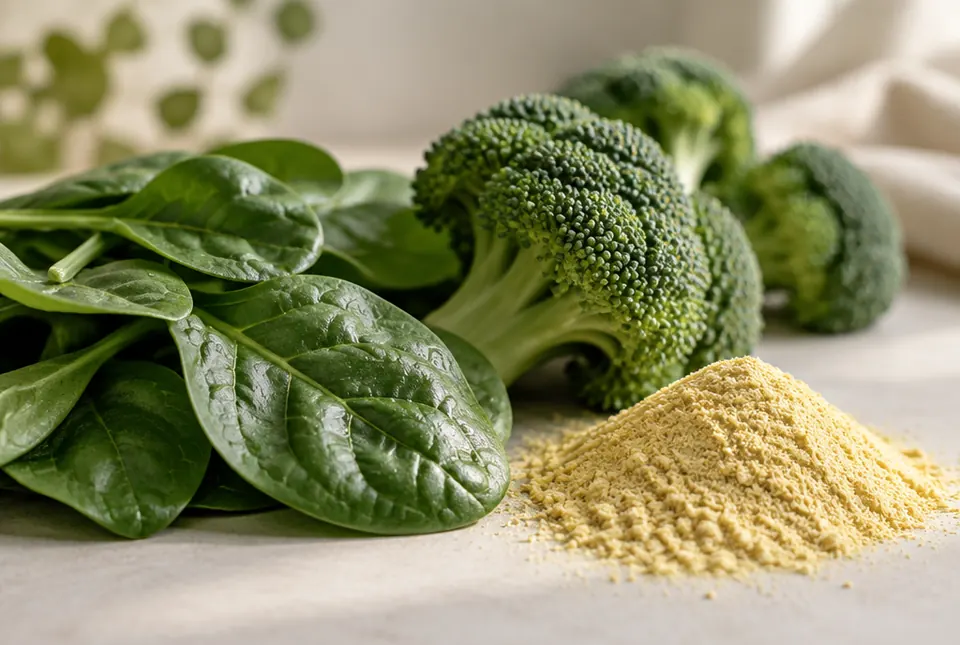
A fatty acid made in small amounts by the body and found in spinach and broccoli.

Why it’s used: An antioxidant that works in both water and fat-based parts of cells.

Shop 1 product with alpha lipoic acid
spinach and broccoli beside fine yellow powder
About

What is alpha lipoic acid?

Alpha lipoic acid, sometimes shortened to ALA, is a sulphur-containing fatty acid. The body makes small amounts itself, and it works inside the mitochondria as a helper for enzymes that release energy from food. It is unusual among antioxidants because it can work in both the watery and fatty parts of cells.

In food, lipoic acid is mostly bound to protein. The richest sources are organ meats such as kidney, heart and liver, with smaller amounts in spinach, broccoli, tomatoes, peas and Brussels sprouts. Food amounts are small, and the free lipoic acid in supplements is absorbed differently.

On labels you will see two main forms. R-lipoic acid, sometimes written R-ALA, is the natural form found in food. Racemic alpha lipoic acid is a 50:50 mix of the R form and a man-made S form. It is easy to confuse with the plant omega-3 also called ALA, alpha-linolenic acid, which is a completely different nutrient.

What the research says

Evidence, not anecdote.

3 findings behind this ingredient. Hover a card for the detail and the source.

Meta-analysis2023

Alpha lipoic acid supplements lowered blood markers of inflammation, including CRP, IL-6 and TNF-alpha, across 20 trials.

A meta-analysis of 20 randomised controlled trials with 947 adults found significant reductions in CRP, IL-6 and TNF-alpha with alpha lipoic acid.

Meta-analysis2018

In people with metabolic diseases, alpha lipoic acid improved fasting glucose, insulin resistance, HbA1c and blood fats.

A meta-analysis of 24 randomised controlled trials in patients with metabolic diseases found lower fasting glucose, insulin, HOMA-IR, HbA1c, triglycerides, total and LDL cholesterol.

RCT2014

Alpha lipoic acid raised total antioxidant capacity in the blood of adults with multiple sclerosis compared with placebo.

In a double-blind trial, 52 adults with relapsing-remitting multiple sclerosis took 1,200 mg lipoic acid or placebo daily for 12 weeks. Total antioxidant capacity improved; other oxidative stress markers did not change.

In our range

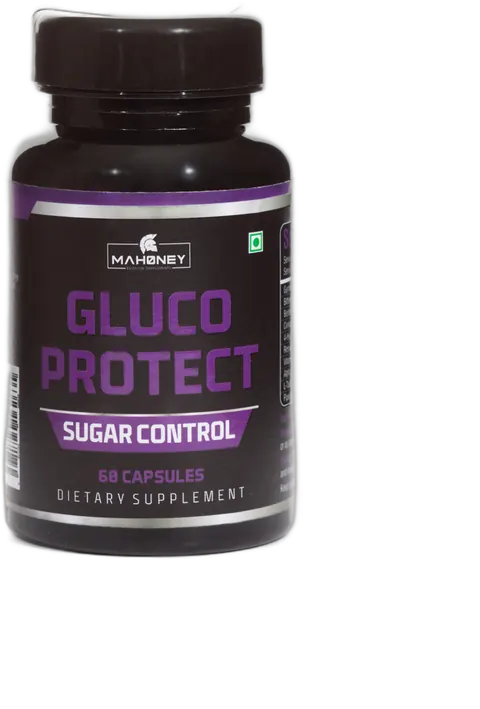
Supplements with alpha lipoic acid.

Questions

Asked before you buy.

Can't see yours? Ask our team, answered within a working day.

What is the difference between R-lipoic acid and alpha lipoic acid?

R-lipoic acid is the natural form found in food and made by the body. Standard alpha lipoic acid is usually racemic, a 50:50 mix of R and a synthetic S form. Evidence does not yet show that one form is best for everyone.

Is alpha lipoic acid the same as the omega-3 ALA?

No. Both are abbreviated to ALA, which causes confusion. Alpha lipoic acid is a sulphur-containing antioxidant compound. Alpha-linolenic acid is the plant omega-3 fat found in flaxseed, walnuts and rapeseed oil. Check the full name on the label.

Should alpha lipoic acid be taken with food?

Food reduces how much lipoic acid is absorbed, so many people take it on an empty stomach, around 30 minutes before a meal. If it upsets your stomach, taking it with food is fine. Common side effects include heartburn, nausea and headache.

Shop by goal
Often found with
Sources
  1. Lipoic Acid · Linus Pauling Institute, Oregon State University, 2019
  2. Scientific opinion on the relationship between intake of alpha-lipoic acid (thioctic acid) and the risk of insulin autoimmune syndrome · EFSA Journal (PubMed Central), 2021
  3. Alpha-Lipoic Acid · StatPearls (NCBI Bookshelf), 2023

Information only, not medical advice. If you take medication, are pregnant or breastfeeding, speak to your GP or pharmacist first.

Find your protocol

Not sure where to start?

Six quick questions match you to the products in our range that fit your goal, with the reasons why.

Start the assessment