Free US delivery over $250
Nutra Formulations
Vitamins

Vitamin C

A water-soluble antioxidant vitamin found in citrus, berries and peppers.

Why it’s used: Contributes to normal immune function, normal collagen formation for skin and cartilage, and the reduction of tiredness and fatigue.

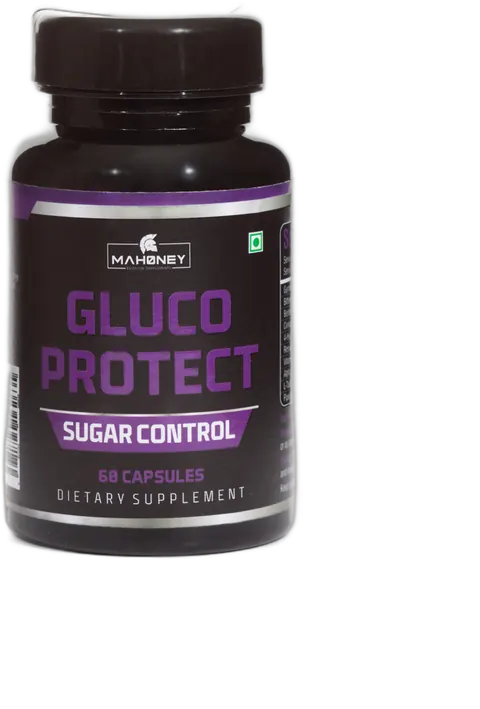
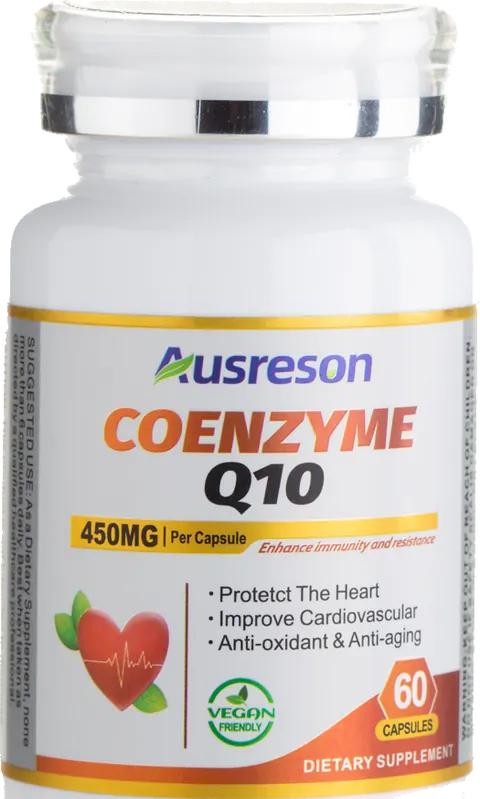
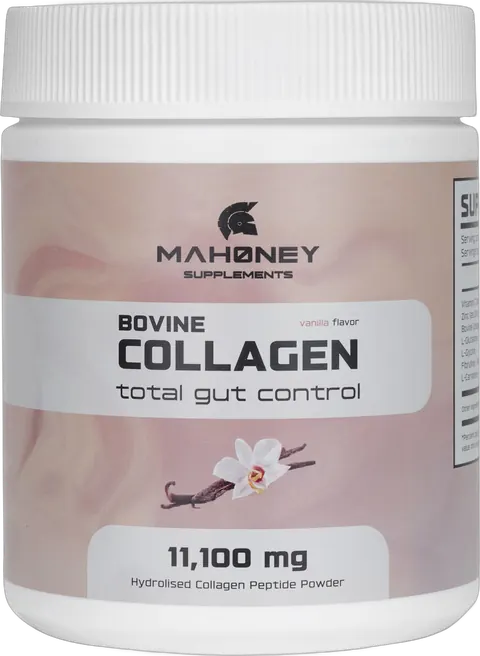
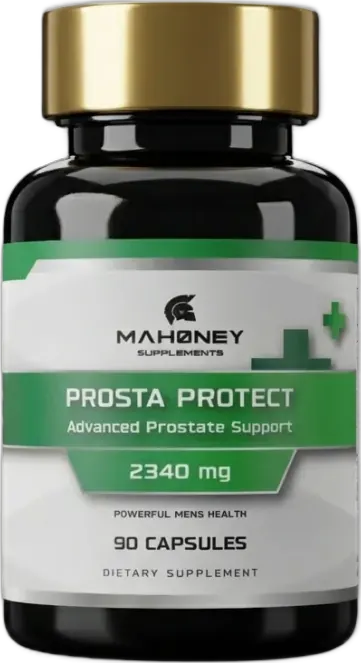
Shop 4 products with vitamin c
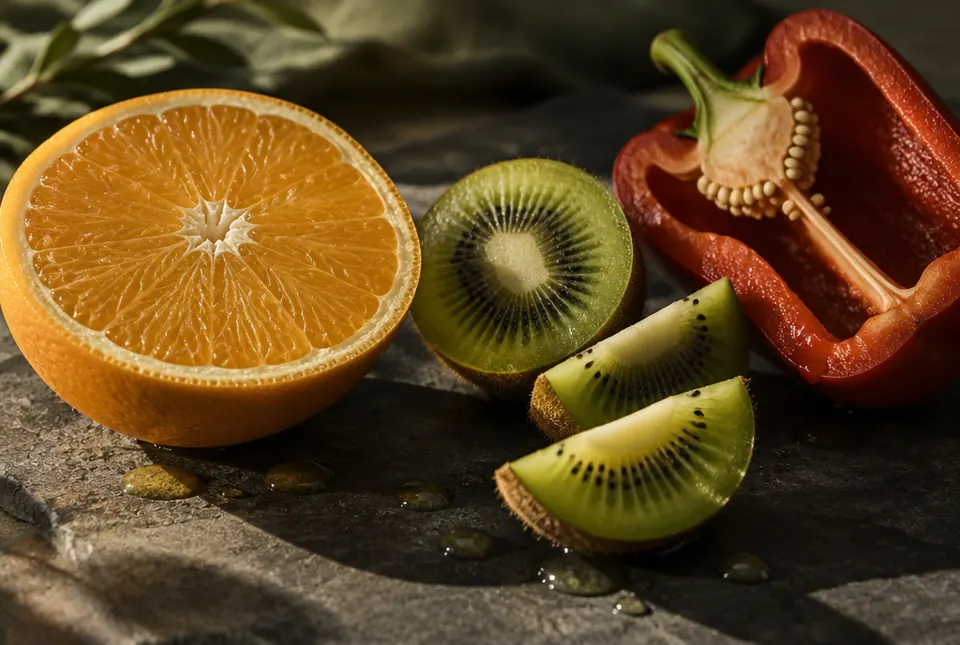
orange, kiwi and red pepper
About

What is vitamin c?

Vitamin C, also called ascorbic acid, is a water-soluble vitamin found in a wide variety of fruit and vegetables. Citrus fruit such as oranges, peppers, strawberries, blackcurrants, broccoli, brussels sprouts and potatoes are all good sources. The body cannot store vitamin C, so you need it in your diet every day.

Vitamin C is an antioxidant nutrient. It contributes to normal immune function, normal collagen formation for the normal function of skin and cartilage, and the reduction of tiredness and fatigue.

Most supplements use ascorbic acid. Other forms include sodium ascorbate, calcium ascorbate and other mineral ascorbates, and some products combine ascorbic acid with bioflavonoids. Liposomal vitamin C, in which the vitamin is enclosed in tiny phospholipid spheres called liposomes, is another format you may see on labels. Whatever the format, the amount is listed in milligrams (mg), and the same guidance on daily amounts applies, so compare products on their milligram figure rather than the form alone.

What the research says

Evidence, not anecdote.

3 findings behind this ingredient. Hover a card for the detail and the source.

Meta-analysis2013

Regular vitamin C shortened colds by 8% in adults and 14% in children and reduced their severity.

Cochrane review of placebo-controlled trials using at least 200 mg a day, including over 11,000 participants. Regular vitamin C did not reduce cold incidence in the general population but cut it by half in people under heavy physical stress.

RCT2022

Vitamin C supplements improved attention and work engagement in young adults with low vitamin C levels.

Double-blind, placebo-controlled trial in 46 healthy young adults with inadequate vitamin C status, taking 500 mg twice daily for four weeks. Attention and work absorption improved versus placebo, with a trend towards less fatigue.

Observational2007

Higher vitamin C intake was linked with less wrinkled appearance and less skin dryness in middle-aged women.

Analysis of 4,025 US women aged 40–74 from the NHANES I survey, with skin examined by dermatologists. Higher vitamin C intake was associated with lower odds of wrinkled appearance and age-related skin dryness.

In our range

Supplements with vitamin c.

Questions

Asked before you buy.

Can't see yours? Ask our team, answered within a working day.

How much vitamin C do I need a day?

UK adults need 40mg of vitamin C a day, and most people get this from fruit and vegetables. The NHS says up to 1,000mg a day from supplements is unlikely to cause harm, while larger amounts can cause stomach pain and diarrhoea.

Does vitamin C help your immune system?

Vitamin C contributes to the normal function of the immune system, which is its authorised role. Getting enough from food or a supplement supports that normal function. It is not a treatment for colds or any other illness.

What is liposomal vitamin C?

Liposomal vitamin C is vitamin C enclosed in tiny phospholipid spheres called liposomes. It is still vitamin C, with the same roles in the body and the same NHS guidance: 1,000mg or less a day from supplements is unlikely to cause any harm.

Shop by goal
Often found with
Independent experts

Experts on vitamin c.

Videos from doctors, research scientists and registered dietitians, for general education. They are independent of Nutra Formulations, do not refer to our products and are not medical advice for you.

How to Use Vitamin C Like a Dermatologist

Dr Davin Lim, MBBS, FACD dermatologist · Dr Davin Lim on YouTube

The Right Way to Use Vitamin C (and Mistakes to Avoid), from a Dermatologist

Dr Shereene Idriss, MD, board-certified dermatologist · Dr. Shereene Idriss on YouTube

Sources
  1. Vitamin C: vitamins and minerals · NHS, 2020
  2. Vitamin C: fact sheet for consumers · NIH Office of Dietary Supplements, 2021

Information only, not medical advice. If you take medication, are pregnant or breastfeeding, speak to your GP or pharmacist first.

Find your protocol

Not sure where to start?

Six quick questions match you to the products in our range that fit your goal, with the reasons why.

Start the assessment