Free US delivery over $250
Nutra Formulations
Amino acids

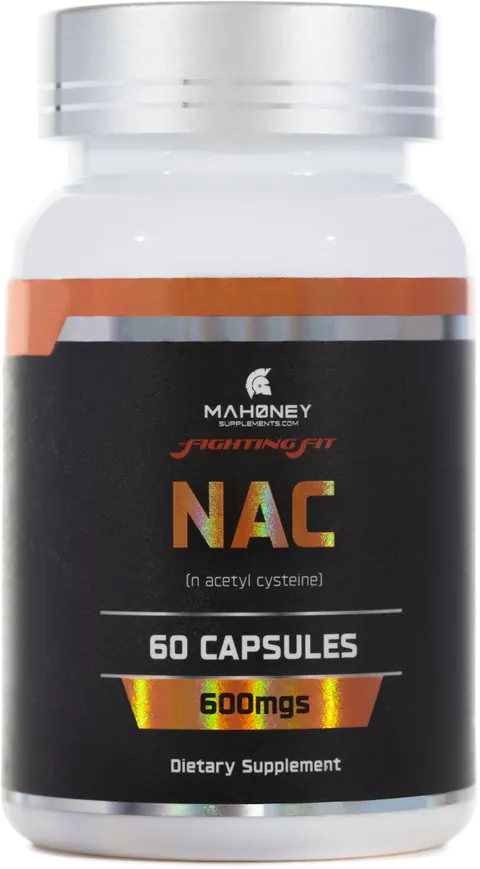
NAC (N-acetyl cysteine)

A stable form of the amino acid cysteine.

Why it’s used: The body uses it to make glutathione, its main internal antioxidant.

Shop 2 products with nac
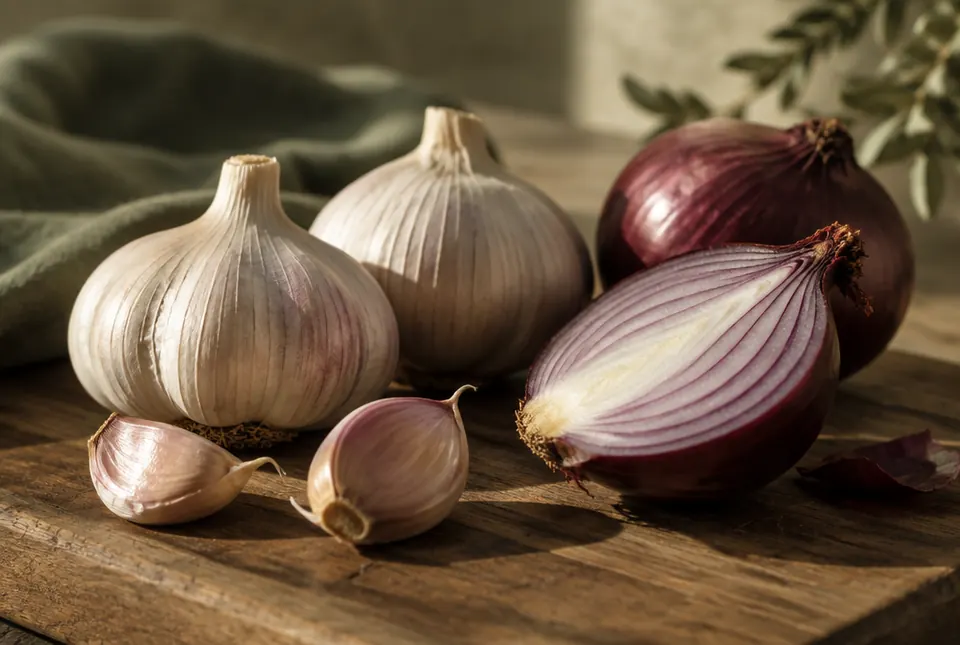
garlic and red onion
About

What is nac?

NAC, or N-acetyl cysteine, is a stable, easily absorbed form of cysteine, an amino acid found in protein foods such as poultry, eggs, dairy and legumes. The acetyl group protects the cysteine so more of it survives the trip through the gut.

Cysteine matters because it is the ingredient the body is most often short of when it makes glutathione, its main internal antioxidant. That is why NAC is so often discussed alongside glutathione. NAC itself has a long history in hospital medicine, and in the UK some NAC products are licensed medicines, while others are sold as food supplements.

In supplements you will see it listed as N-acetyl cysteine, N-acetyl-L-cysteine or acetylcysteine, usually in capsules. It has a noticeable sulphur smell, which is normal. Researchers have studied NAC in a wide range of trials, but those studies are about specific situations and do not translate into general promises for healthy people.

What the research says

Evidence, not anecdote.

3 findings behind this ingredient. Hover a card for the detail and the source.

Meta-analysis2024

NAC raised glutathione and reduced muscle soreness, lactate and oxidative stress markers after exercise.

Meta-analysis of 20 studies of NAC around physical exertion. NAC lowered muscle soreness, lactate, TBARS and IL-6 and increased glutathione; creatine kinase and TNF-α did not change.

Meta-analysis2024

In people with COPD or chronic bronchitis, NAC reduced flare-ups and improved symptoms and quality of life versus placebo.

Meta-analyses of 20 studies in COPD and chronic bronchitis. NAC lowered exacerbation rates in COPD (IRR 0.76) and chronic bronchitis (IRR 0.81) and improved symptoms or quality of life (OR 3.47).

RCT2023

NAC combined with glycine corrected low glutathione and improved oxidative stress and physical function in older adults.

Placebo-controlled randomised trial in 24 older adults taking glycine plus NAC or alanine placebo for 16 weeks, with 12 young adults for comparison. GlyNAC, not placebo, improved glutathione, oxidative stress, inflammation and physical function.

In our range

Supplements with nac.

Questions

Asked before you buy.

Can't see yours? Ask our team, answered within a working day.

What is the difference between NAC and glutathione?

NAC is a form of the amino acid cysteine, which the body uses to build its own glutathione. Glutathione is the finished antioxidant molecule. Taking NAC supplies a raw material, while glutathione supplements, often in liposomal form, supply the finished molecule.

Why does NAC smell of sulphur?

NAC contains sulphur, like the cysteine it comes from, so a smell of eggs or sulphur when you open the pot is normal and does not mean it has gone off. Capsules help contain the smell and taste.

What are the side effects of NAC?

The most common are digestive, such as nausea, stomach upset, diarrhoea or reflux. Some people get a rash or flushing. Serious allergic reactions are possible but rare. Taking it with food can help if your stomach is sensitive.

Shop by goal
Often found with
Independent experts

Experts on nac (n-acetyl cysteine).

Videos from doctors, research scientists and registered dietitians, for general education. They are independent of Nutra Formulations, do not refer to our products and are not medical advice for you.

NAC and Glutathione Are Transforming Aging: New Study

Dr Brad Stanfield, GP (MBChB) · Dr Brad Stanfield on YouTube

NAC for 30 Days (N-Acetylcysteine): Inflammation, Liver, Sadness, Lungs, Hair Loss and More

Patricia Leite, Registered nutritionist (CRN-RJ, Brazil) · Patricia Health and Nutrition on YouTube

Sources
  1. N-acetylcysteine: multiple clinical applications · American Family Physician, 2009
  2. Acetylcysteine · StatPearls (NCBI Bookshelf), 2024
  3. Borderline products: how to tell if your product is a medicine · MHRA (GOV.UK), 2024

Information only, not medical advice. If you take medication, are pregnant or breastfeeding, speak to your GP or pharmacist first.

Find your protocol

Not sure where to start?

Six quick questions match you to the products in our range that fit your goal, with the reasons why.

Start the assessment