Free US delivery over $250
Nutra Formulations
Herbs and botanicals

Saw palmetto

Berries of a small palm native to the south-eastern United States.

Why it’s used: Traditionally used to support prostate and urinary comfort in men.

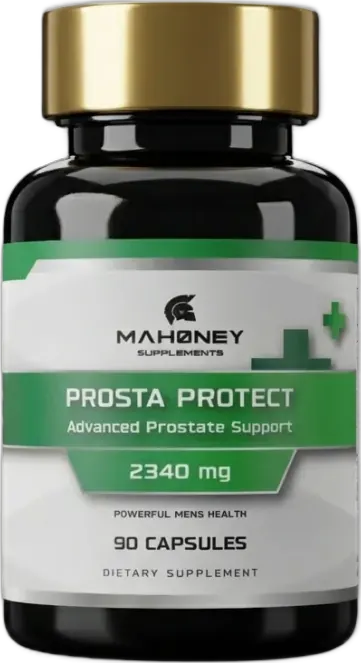
Shop 3 products with saw palmetto
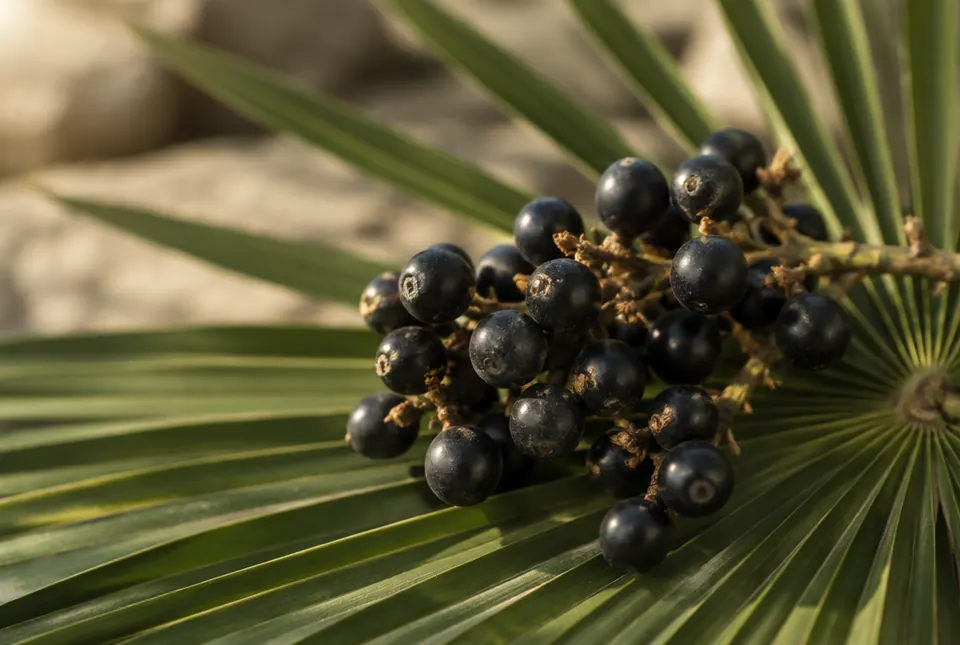
saw palmetto berries on a frond
About

What is saw palmetto?

Saw palmetto, Serenoa repens, is a small, slow-growing palm native to the south-eastern United States, especially Florida. Its fan-shaped leaves have saw-toothed stalks, which is where the name comes from, and it produces dark berries that ripen to blue-black in autumn.

Native Americans in the region ate the berries as food, and the berries later became a popular herbal ingredient. Saw palmetto is traditionally used to support prostate and urinary comfort in men. Researchers have studied it extensively, and a 2023 Cochrane review found it made little or no difference to urinary symptoms linked to an enlarged prostate compared with placebo. It has no authorised health claim.

On labels you will see saw palmetto, Serenoa repens berry or fruit extract, or a lipidosterolic extract, an oily extract standardised to fatty acids and sterols, often 85 to 95%. That standardised oil-based extract is the form most used in research, and it is quite different from whole dried berry powder.

What the research says

Evidence, not anecdote.

3 findings behind this ingredient. Hover a card for the detail and the source.

Meta-analysis2018

A hexane saw palmetto extract reduced night-time urination and improved urine flow versus placebo in men with prostate enlargement.

Meta-analysis of 27 studies (15 randomised, 5,800 men) of 320 mg a day of the hexanic extract Permixon. It was linked to 0.64 fewer night-time voids than placebo, improved flow, and was well tolerated.

Meta-analysis2016

A hexane saw palmetto extract reduced night-time urination and improved urine flow versus placebo in men with an enlarged prostate.

Meta-analysis of 12 randomised trials of Permixon. Compared with placebo it reduced nocturnal voids (-0.31) and increased maximum flow rate (+3.37 mL/s), with side-effect rates similar to placebo.

RCT2025

Saw palmetto extract at 320 mg a day reduced daytime urinary frequency and its bother in healthy adults over 50.

Double-blind, placebo-controlled trial in 68 healthy Japanese adults aged 50 or over, without a prostate or bladder diagnosis, taking 320 mg a day for 12 weeks. Daytime frequency and bother scores improved versus placebo.

In our range

Supplements with saw palmetto.

Questions

Asked before you buy.

Can't see yours? Ask our team, answered within a working day.

Does saw palmetto affect PSA tests?

NCCIH says saw palmetto does not appear to change PSA readings, even at higher than usual amounts. Still, tell your GP about any supplements you take, and do not use a supplement in place of getting urinary symptoms checked.

What does lipidosterolic extract mean?

It is an oily extract of saw palmetto berries, concentrated in fatty acids and plant sterols and often standardised to 85 to 95%. It is the form most often used in research, and it differs from simple dried berry powder.

What does the research say about saw palmetto?

Results are mixed. A 2023 Cochrane review found saw palmetto alone made little or no difference to urinary symptoms of an enlarged prostate compared with placebo. It remains traditionally used to support prostate and urinary comfort, but it is not a treatment.

Shop by goal
Often found with
Sources
  1. Saw Palmetto: Usefulness and Safety · NCCIH, 2024
  2. Serenoa repens for the treatment of lower urinary tract symptoms due to benign prostatic enlargement · Cochrane Library, 2023

Information only, not medical advice. If you take medication, are pregnant or breastfeeding, speak to your GP or pharmacist first.

Find your protocol

Not sure where to start?

Six quick questions match you to the products in our range that fit your goal, with the reasons why.

Start the assessment