Free US delivery over $250
Nutra Formulations
Nutrients and compounds

TUDCA

Tauroursodeoxycholic acid, a bile acid the body makes in small amounts.

Why it’s used: Bile acids help the body digest fats; TUDCA is studied for its role in liver cell health.

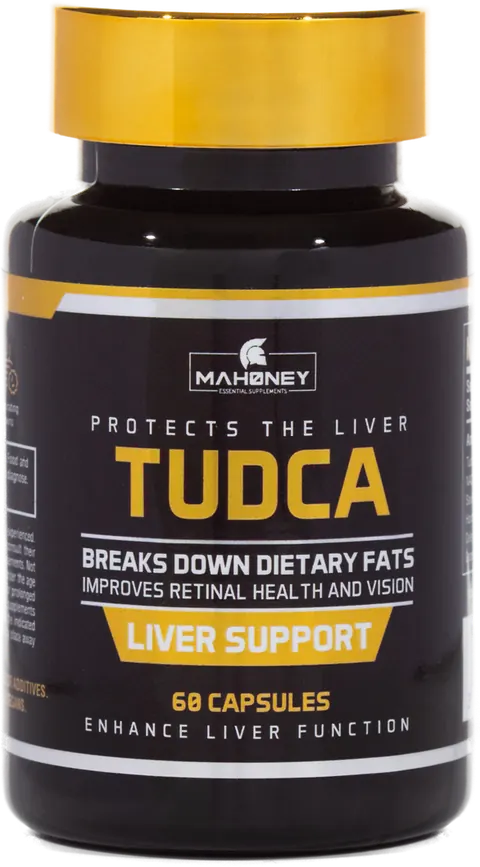
Shop 1 product with tudca
golden bile-like liquid droplets on a glass slide
About

What is tudca?

TUDCA, short for tauroursodeoxycholic acid, is a bile acid. The liver makes bile acids from cholesterol and releases them into the gut, where they help break down and absorb fats. TUDCA forms when a related bile acid, UDCA (ursodeoxycholic acid), is joined to the amino acid taurine.

Humans make only small amounts of TUDCA. It is found in much higher levels in bear bile, which has been used in traditional Chinese medicine for centuries, but the TUDCA in modern supplements and medicines is produced in the laboratory rather than taken from bears. UDCA itself is a prescription medicine in the UK for some liver and gallbladder conditions, and TUDCA is a licensed medicine in some European countries.

As a supplement, TUDCA is sold in capsules and labelled as TUDCA or tauroursodeoxycholic acid. Researchers have studied it in clinical trials for a range of conditions, and in the lab for its role in liver cell health. A supplement is not a replacement for prescribed bile acid medicines.

What the research says

Evidence, not anecdote.

3 findings behind this ingredient. Hover a card for the detail and the source.

RCT2010

TUDCA raised liver and muscle insulin sensitivity by about 30% compared with placebo in adults with obesity.

Randomised placebo-controlled trial in 20 adults with obesity taking TUDCA (1,750 mg a day) or placebo for 4 weeks. Liver and muscle insulin sensitivity rose by about 30% with TUDCA but not with placebo.

RCT2013

TUDCA lowered liver enzymes and raised albumin over six months in people with liver cirrhosis, and was well tolerated.

Double-blind randomised trial in 23 people with liver cirrhosis comparing 750 mg a day TUDCA with UDCA for 6 months. ALT, AST and ALP fell significantly from baseline with TUDCA and albumin rose, with no side effects; fibrosis markers did not change.

RCT1996

TUDCA at 500 to 1,500 mg a day significantly lowered liver enzymes within a month in people with primary biliary cirrhosis.

Randomised dose-response study in 24 people with primary biliary cirrhosis taking 500, 1,000 or 1,500 mg TUDCA daily for 6 months. Liver enzymes fell significantly after one month at all doses, and diarrhoea was the only side effect.

In our range

Supplements with tudca.

Questions

Asked before you buy.

Can't see yours? Ask our team, answered within a working day.

What is the difference between TUDCA and UDCA?

UDCA is a bile acid that is a prescription medicine in the UK. TUDCA is UDCA joined to the amino acid taurine, a step the liver performs naturally. They are closely related but not identical, and research on one cannot simply be applied to the other.

Is TUDCA made from bears?

Not in modern supplements. Bear bile is naturally rich in TUDCA and has a long history in traditional Chinese medicine, but the TUDCA used in today's supplements and medicines is produced in the laboratory. If the source matters to you, check the label or ask the maker.

What are the side effects of TUDCA?

In clinical trials TUDCA has been well tolerated. The most reported effects are soft stools or diarrhoea, with nausea and vomiting being uncommon. If you get persistent stomach upset, stop taking it and speak to your pharmacist or GP.

Shop by goal
Often found with
Sources
  1. Tauroursodeoxycholic acid: a potential therapeutic tool in neurodegenerative diseases · Translational Neurodegeneration (PubMed Central), 2022
  2. Bile acid therapy for primary biliary cholangitis: Pathogenetic validation · World Journal of Experimental Medicine (PubMed Central), 2025
  3. Tauroursodeoxycholic acid in patients with amyotrophic lateral sclerosis: The TUDCA-ALS trial protocol · Frontiers in Neurology (PubMed Central), 2022

Information only, not medical advice. If you take medication, are pregnant or breastfeeding, speak to your GP or pharmacist first.

Find your protocol

Not sure where to start?

Six quick questions match you to the products in our range that fit your goal, with the reasons why.

Start the assessment