Free US delivery over $250
Nutra Formulations
Minerals

Boron (calcium fructoborate)

A trace mineral found in fruit, vegetables and nuts.

Why it’s used: Works alongside calcium, magnesium and vitamin D in the body; research is ongoing.

Shop 1 product with boron
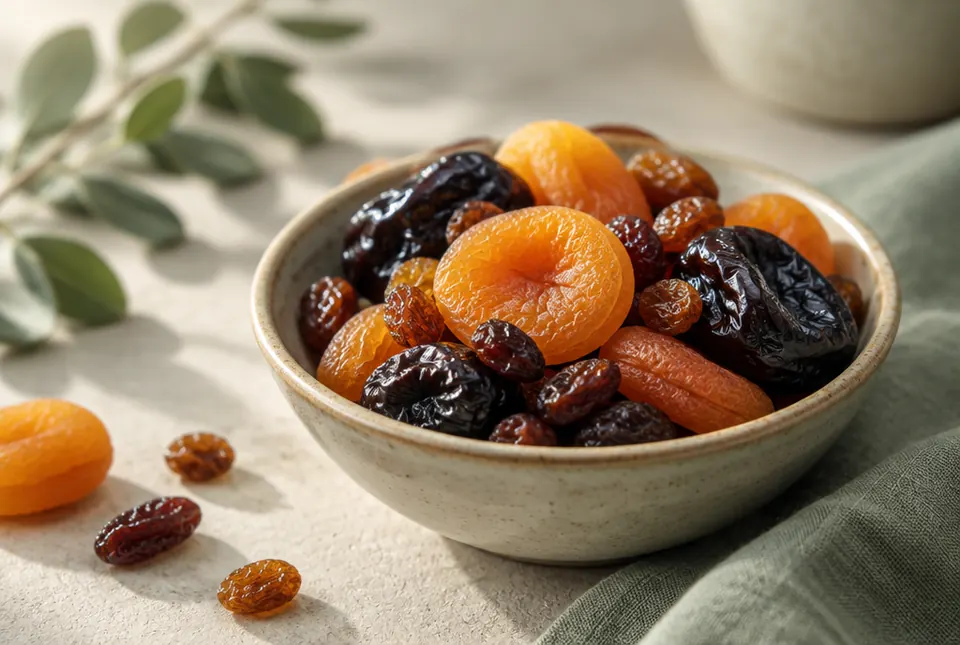
dried apricots, prunes and raisins in a small dish
About

What is boron?

Boron is a trace mineral found in many plant foods, including fruit such as raisins and peaches, prune and grape juice, avocados, potatoes, and legumes such as peanuts, beans and green peas. Drinks such as coffee and milk also contain some. Because it comes mostly from plants, how much you get depends largely on how much fruit, vegetables and pulses you eat.

Unlike the vitamins and minerals with authorised roles, boron is not considered an essential nutrient, because scientists are not yet certain what role it plays in the body. It works alongside calcium, magnesium and vitamin D in the body, and researchers have studied it in relation to bone and joint health in small trials. More research is needed before any firm conclusions can be drawn, so it carries no authorised health claims.

Supplements use several forms, including boron citrate, boron glycinate, boron aspartate, boron gluconate and calcium fructoborate. Scientists do not yet know whether one form is better than another. Amounts are listed in milligrams (mg) of boron.

What the research says

Evidence, not anecdote.

3 findings behind this ingredient. Hover a card for the detail and the source.

RCT2014

Calcium fructoborate improved knee discomfort scores within two weeks compared with placebo in adults with self-reported knee discomfort.

Double-blind, placebo-controlled trial in 60 adults with knee discomfort taking 110 mg calcium fructoborate twice a day for 14 days. WOMAC and McGill pain scores fell significantly more than placebo, with a WOMAC difference of -13.73 at day 14 (P<0.0001).

RCT2015

Calcium fructoborate lowered C-reactive protein, LDL cholesterol and several inflammatory markers in healthy adults over 30 days.

Randomised, double-blind, placebo-controlled trial in healthy adults given 112 mg or 56 mg calcium fructoborate a day for 30 days. The 112 mg dose cut CRP by 31.3% and LDL by 9.8% from baseline and reduced IL-6, IL-1β and MCP-1.

RCT2011

Calcium fructoborate improved blood markers of inflammation compared with placebo in middle-aged adults with knee osteoarthritis.

Double-blind, placebo-controlled pilot trial; 72 adults with primary knee osteoarthritis started and 60 completed 15 days of calcium fructoborate or placebo. Inflammatory markers (CRP, fibrinogen, ESR) improved versus placebo, with slight changes in blood lipids.

In our range

Supplements with boron.

Questions

Asked before you buy.

Can't see yours? Ask our team, answered within a working day.

Is boron an essential nutrient?

Not officially. Scientists are not yet certain what role boron plays in the body, so it is not classed as essential and has no recommended daily amount. It is found naturally in many plant foods, and researchers continue to study it.

What is calcium fructoborate?

Calcium fructoborate is one of several forms of boron used in supplements, alongside boron citrate, glycinate and aspartate. The NIH notes that scientists do not yet know whether one form of boron is better than the others.

How much boron is safe?

EFSA has set a tolerable upper intake level of 10mg of boron a day for adults, counting all sources. Supplements commonly provide between 0.15mg and 6mg, so check the total if you take more than one product.

Shop by goal
Often found with
Sources
  1. Boron: fact sheet for consumers · NIH Office of Dietary Supplements, 2021
  2. Boron: fact sheet for health professionals · NIH Office of Dietary Supplements, 2022
  3. Overview on tolerable upper intake levels as derived by the Scientific Committee on Food (SCF) and the EFSA Panel on Dietetic Products, Nutrition and Allergies (NDA) · European Food Safety Authority, 2024

Information only, not medical advice. If you take medication, are pregnant or breastfeeding, speak to your GP or pharmacist first.

Find your protocol

Not sure where to start?

Six quick questions match you to the products in our range that fit your goal, with the reasons why.

Start the assessment