Free US delivery over $250
Nutra Formulations
Nutrients and compounds

Lycopene

The red pigment in tomatoes and watermelon.

Why it’s used: A carotenoid antioxidant.

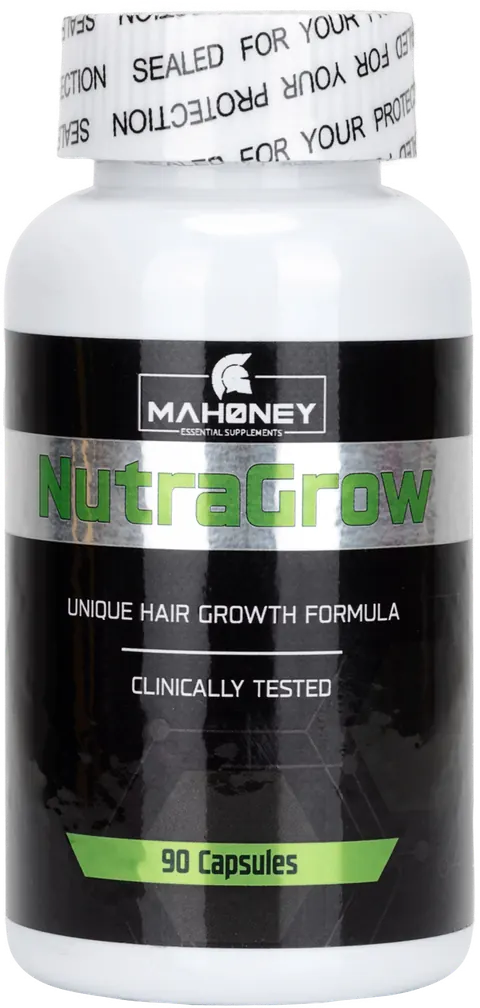
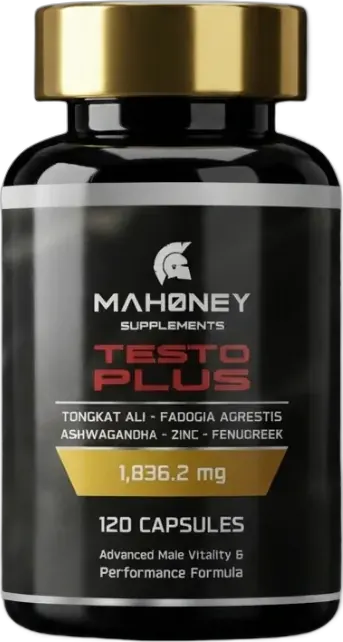
Shop 2 products with lycopene
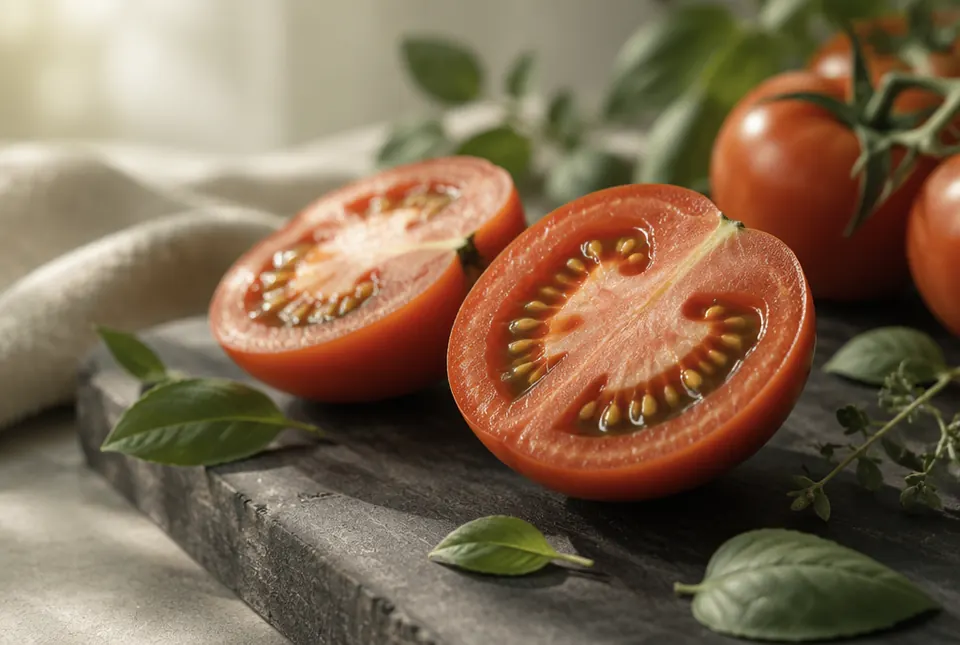
halved ripe tomatoes on a dark board
About

What is lycopene?

Lycopene is the bright red pigment that gives tomatoes, watermelon and pink grapefruit their colour. It belongs to the carotenoid family, alongside beta-carotene and lutein, but unlike beta-carotene the body does not turn it into vitamin A. It is a carotenoid antioxidant and one of the most common carotenoids in the blood.

Tomatoes and tomato products provide most of the lycopene in a typical diet. Interestingly, cooked and processed tomatoes, such as passata, purée and tomato sauce, release lycopene more readily than raw tomatoes, and eating them with a little fat, such as olive oil, helps absorption because lycopene is fat-soluble.

Lycopene supplements are usually made from tomato extract, though some use lycopene produced by fermentation or synthesis. They are typically sold in softgels with oil to aid absorption. Researchers have studied lycopene in observational and small intervention studies, but EFSA has not authorised any health claims for it, so the best-supported advice is simply to enjoy plenty of tomato-rich meals.

What the research says

Evidence, not anecdote.

2 findings behind this ingredient. Hover a card for the detail and the source.

Meta-analysis2017

Lycopene supplements lowered systolic blood pressure by about 5.7 mmHg in a meta-analysis of intervention trials.

Meta-analysis of 21 intervention trials in adults. Lycopene supplementation reduced systolic blood pressure (-5.66 mmHg), while tomato products reduced LDL cholesterol and IL-6 and improved flow-mediated dilation.

RCT2017

A lycopene-rich tomato nutrient complex taken for 12 weeks blocked UV-induced stress gene activity in the skin of healthy volunteers.

Double-blind, placebo-controlled, randomised crossover study in 65 healthy volunteers over two 12-week phases. The tomato complex completely inhibited UVA1- and UVA/B-induced rises in HO1, ICAM1 and MMP1 in skin biopsies.

In our range

Supplements with lycopene.

Questions

Asked before you buy.

Can't see yours? Ask our team, answered within a working day.

Is lycopene better absorbed from cooked tomatoes?

Yes. Cooking and processing break down tomato cell walls, releasing lycopene so it is absorbed more readily than from raw tomatoes. Because lycopene is fat-soluble, eating tomato dishes with a little olive oil or other fat also helps.

Which foods are highest in lycopene?

Tomato products such as purée, passata, sauce and soup are the richest everyday sources, followed by fresh tomatoes, watermelon, pink grapefruit, guava and papaya. Concentrated tomato purée contains far more per spoonful than raw tomato.

Can you have too much lycopene?

Very high intakes can cause lycopenodermia, an orange tint to the skin that is harmless and fades when intake falls. EFSA has set an acceptable daily intake of 0.5 mg per kg of body weight from all sources, including food and supplements.

Shop by goal
Often found with
Sources
  1. EFSA assesses safety of lycopene in foods · EFSA, 2010
  2. Carotenoids · Linus Pauling Institute, Oregon State University, 2016
  3. Lycopene: Food Sources, Biological Activities, and Human Health Benefits · Oxidative Medicine and Cellular Longevity (PubMed Central), 2021

Information only, not medical advice. If you take medication, are pregnant or breastfeeding, speak to your GP or pharmacist first.

Find your protocol

Not sure where to start?

Six quick questions match you to the products in our range that fit your goal, with the reasons why.

Start the assessment