Free UK delivery over £200
Nutra Formulations
Vitamins

Vitamin K2

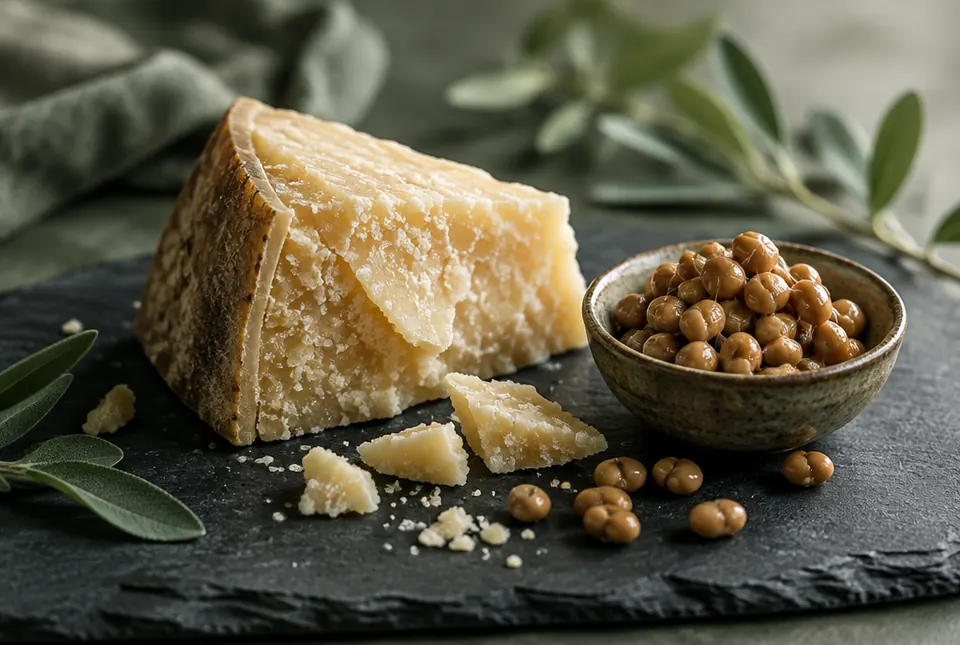
A fat-soluble vitamin found in fermented foods such as natto and hard cheese.

Why it’s used: Contributes to the maintenance of normal bones.

aged hard cheese and fermented soybeans on slate
About

What is vitamin k2?

Vitamin K is a group of fat-soluble vitamins. Vitamin K1 (phylloquinone) comes mainly from green leafy vegetables such as broccoli and spinach, along with vegetable oils and cereal grains. Vitamin K2 is a family of compounds called menaquinones, found in smaller amounts in meat, dairy foods and fermented foods such as natto and hard cheese.

Vitamin K is best known for its role in normal blood clotting, which helps wounds heal. It also contributes to the maintenance of normal bones, which is why vitamin K2 is often paired with vitamin D3 and calcium in bone-focused formulas.

On supplement labels, vitamin K2 usually appears as menaquinone-7 (MK-7) or menaquinone-4 (MK-4). Amounts are small and listed in micrograms (µg). Any vitamin K your body does not need straight away is stored in the liver, so you do not need it in your diet every day. Because vitamin K is so closely linked to blood clotting, it is one of the few vitamins where medicine interactions really matter, especially for people taking blood thinners.

What the research says

Evidence, not anecdote.

3 findings behind this ingredient. Hover a card for the detail and the source.

Meta-analysis2022

Vitamin K2 supported lumbar spine bone density in postmenopausal women, with no rise in side effects.

Meta-analysis of 16 randomised trials with 6,425 postmenopausal women. Vitamin K2 significantly improved lumbar spine BMD and lowered undercarboxylated osteocalcin; fracture results depended on excluding one study.

Meta-analysis2022

Long-term vitamin K2 increased spine and forearm bone density in postmenopausal women with osteoporosis.

Meta-analysis of 9 randomised trials with 6,853 postmenopausal women with osteoporosis. Lumbar BMD rose by 2.17% and forearm BMD by 1.57% versus control; no serious adverse events were linked to K2.

RCT2013

Vitamin K2 as MK-7 at 180 µg a day slowed age-related bone loss over three years in healthy postmenopausal women.

Placebo-controlled trial in 244 healthy postmenopausal women taking 180 µg MK-7 daily for 3 years. MK-7 reduced decline in lumbar spine and femoral neck bone density and improved bone strength.

In our range

Supplements with vitamin k2.

None of our current products contain it. Find the right supplement for you in six questions.

Questions

Asked before you buy.

Can't see yours? Ask our team, answered within a working day.

What is the difference between vitamin K1 and K2?

Vitamin K1 (phylloquinone) comes mainly from green leafy vegetables. Vitamin K2 (menaquinones, such as MK-4 and MK-7) is found in fermented foods, meat and dairy. Both are forms of vitamin K, which contributes to the maintenance of normal bones.

Can I take vitamin K2 with warfarin?

Not without medical advice. Vitamin K can interfere with how warfarin and similar anticoagulants work. Speak to your GP or anticoagulation clinic before starting or stopping any supplement that contains vitamin K, including multivitamins.

Why is vitamin K2 paired with vitamin D3?

Both have roles in bone health. Vitamin D contributes to the maintenance of normal bones and muscle function, and vitamin K contributes to the maintenance of normal bones. Combining them in one product simply makes it easier to take both together.

Shop by goal
Independent experts

Experts on vitamin k2.

Videos from doctors, research scientists and registered dietitians, for general education. They are independent of Nutra Formulations, do not refer to our products and are not medical advice for you.

New Studies Reveal the Best Way to Take Vitamin K2 and D

Dr Brad Stanfield, GP (MBChB) · Dr Brad Stanfield on YouTube

This Vitamin D Mistake Is Making You Sicker (Do This Instead)

Dr Leonid Kim, MD · Leonid Kim MD on YouTube

Sources
  1. Vitamin K: vitamins and minerals · NHS, 2020
  2. Vitamin K: fact sheet for consumers · NIH Office of Dietary Supplements, 2021

Information only, not medical advice. If you take medication, are pregnant or breastfeeding, speak to your GP or pharmacist first.

Find your protocol

Not sure where to start?

Six quick questions match you to the products in our range that fit your goal, with the reasons why.

Start the assessment