Cortisol supplements: stress, cortisol and what may help
2 October 2026 · 4 min read

What is cortisol?
Cortisol is a hormone your body releases, along with adrenaline, when you feel anxious, threatened or under pressure.
That response is normal and useful in short bursts. It helps you react quickly and stay alert. The trouble comes when pressure never lets up and stress starts to affect how you feel, think and sleep.
It is worth knowing that a small number of people have medical conditions that affect cortisol levels. Conditions like these need a doctor's diagnosis and treatment, and no supplement is a substitute.
Can supplements lower cortisol?
A handful of small trials suggest that ashwagandha may be linked to lower cortisol readings in stressed adults, but the evidence is limited and no supplement should be used to treat a hormone condition.
Most products sold as "cortisol supplements" contain ingredients that are traditionally used for calm or that support normal psychological function. They are best seen as one part of a wider plan to manage stress, not a way to change your hormones.
Start with the stress basics
The NHS says stress can show up in your body, your mind and your behaviour, so the first step is to notice it.
Signs can include headaches, muscle tension, stomach problems, a racing heart, trouble concentrating, feeling overwhelmed and difficulty sleeping. The NHS suggests these self-help steps:
- Be physically active. Exercise can ease some of the emotional intensity of stress and help you think more calmly.
- Make time to relax and protect your sleep.
- Break big tasks into smaller ones and plan ahead.
- Talk to a friend, family member or health professional about how you feel.
- Try not to rely on alcohol or smoking to cope, and keep caffeine in check.
If stress is affecting your daily life, or you feel unable to cope, speak to your GP.
Ashwagandha
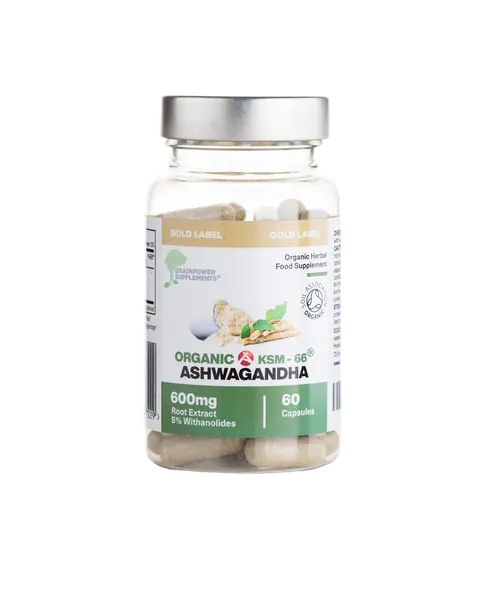
Ashwagandha is the most studied herb for stress, and it is traditionally used to help the body adapt to stress and support calm and restful sleep.
A 2024 systematic review in Explore pooled nine randomised trials involving 558 people. Compared with placebo, ashwagandha was linked to lower scores on a perceived stress scale, lower anxiety scores and lower serum cortisol. Four of the trials reported mild to moderate side effects, and the authors said more information is needed on long-term safety.
Ashwagandha is not for everyone. NCCIH says it should be avoided in pregnancy, that rare cases of liver injury have been linked to ashwagandha supplements, and that it is not recommended for people with thyroid conditions. In the UK, the government has called for evidence on the safety of ashwagandha in foods and supplements, and that review is ongoing.
Rhodiola
Rhodiola is traditionally used to support energy and resilience to stress, but the research is inconclusive.
A 2012 systematic review looked at 11 controlled studies of rhodiola for physical and mental fatigue. Some reported benefits, but many had a high risk of bias, so the authors judged the evidence contradictory and could not draw firm conclusions.
Magnesium, B vitamins and L-theanine
Some nutrients have authorised claims linked to the way you feel under pressure, which makes them a sensible foundation if your diet is falling short.
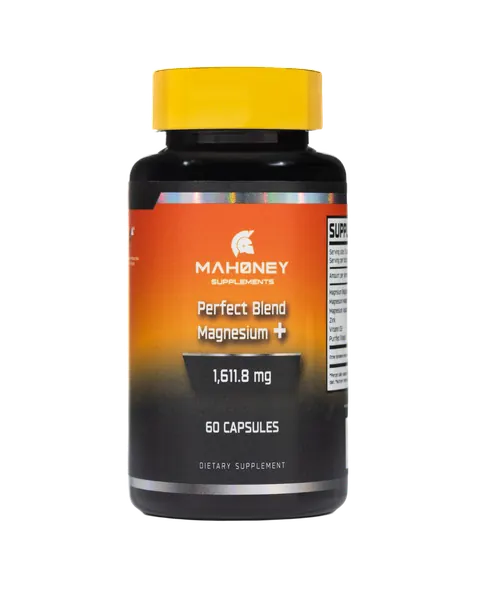
- Magnesium contributes to normal psychological function and the reduction of tiredness and fatigue.
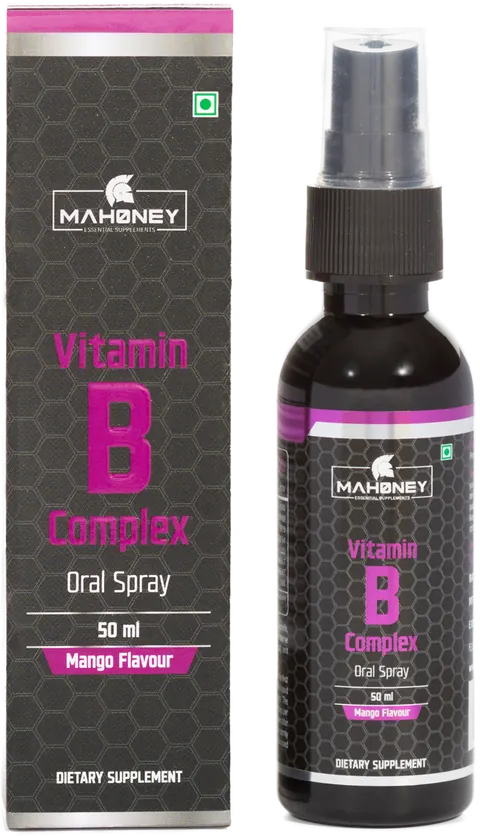
- Vitamin B6 contributes to the regulation of hormonal activity and the reduction of tiredness and fatigue.
- Vitamin B5 contributes to normal mental performance and the reduction of tiredness and fatigue.
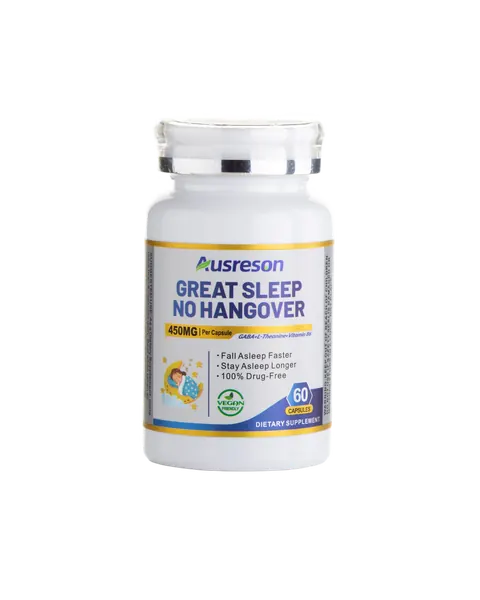
- L-theanine gives green tea its calm, focused character. It is often paired with magnesium in evening blends, because stress and poor sleep tend to go together.
A clear warning about St John's wort and 5-HTP
Some stress and mood blends contain St John's wort or 5-HTP, and these need real caution if you take medicines.
The NHS warns that St John's wort can stop the contraceptive pill working properly and can cause serious problems with antidepressants. 5-HTP is something the body converts into serotonin, so it is sensible to treat it with the same care.
Our Contentsia blend contains both. Do not take it, or any product containing St John's wort or 5-HTP, if you use the contraceptive pill, antidepressants or other prescribed medicines, unless your GP or pharmacist has confirmed it is safe for you.
Ingredients compared
| Ingredient | What the evidence says | Take care if |
|---|---|---|
| Ashwagandha | Review of 9 trials: lower stress scores and serum cortisol vs placebo; long-term safety unclear | Pregnant, or you have a liver or thyroid condition |
| Rhodiola | Review of 11 studies on fatigue: inconclusive | You take regular medicines |
| Magnesium | Authorised claim for normal psychological function | You have kidney problems |
| L-theanine | Gives green tea its calm character; studied for sleep | You take other medicines |
| St John's wort | Traditionally used to support mood | You take the pill, antidepressants or any prescribed medicine |
Who should take care
- If you are pregnant or breastfeeding, speak to your GP or midwife before taking any herbal supplement.
- If you take antidepressants, the contraceptive pill, thyroid medicine, sedatives or any regular prescription, check with your pharmacist first.
- If you have a liver, thyroid or kidney condition, ask your GP.
- If you feel persistently anxious, low or unable to cope, talk to your GP. Support is available and you do not need to manage it alone.
Building a calmer routine
Supplements work best as quiet support for the habits above, and our sleep collection brings together the options most people reach for when stress spills into their evenings.
Organic KSM-66 Ashwagandha is a single-herb option. Perfect Blend Magnesium + and Vitamin B Complex cover the nutrients with authorised claims, and Great Sleep No Hangover includes L-theanine for the evening. Choose one, give it a few weeks, and keep talking, moving and resting.
- Stress · NHS, accessed 2026
- Effects of Ashwagandha (Withania Somnifera) on stress and anxiety: A systematic review and meta-analysis · Explore (Arumugam et al.), 2024
- Summary of responses to call for evidence on ashwagandha · GOV.UK, accessed 2026
- Rhodiola rosea for physical and mental fatigue: a systematic review · BMC Complementary and Alternative Medicine (Ishaque et al.), 2012
- Ashwagandha: Usefulness and Safety · NCCIH (NIH), accessed 2026
- Depression in adults: treatment (St John's wort) · NHS, accessed 2026